Discover a hidden gem for sightseeing in Miyajima! Visit Daishoin Temple, Miyajima’s oldest temple, about a 10-minute walk from Itsukushima Shrine / Takinokoji Alley, Go-hyaku Rakan, Daishoin
#History#Iconic Architecture
While Itsukushima Shrine and its floating Otorii gate are famous attractions in Miyajima, if you walk west from Itsukushima Shrine, you'll find another scenic spot where time flows peacefully: Daishoin Temple, Miyajima's oldest temple. This time, we'll introduce a walking course where you can fully enjoy the charm of Daishoin, not just by heading straight to the destination, but by strolling through quaint alleys and encountering adorable Jizo statues along the way. Why not enjoy the serene side of Miyajima, a different experience from the bustling Omotesando?
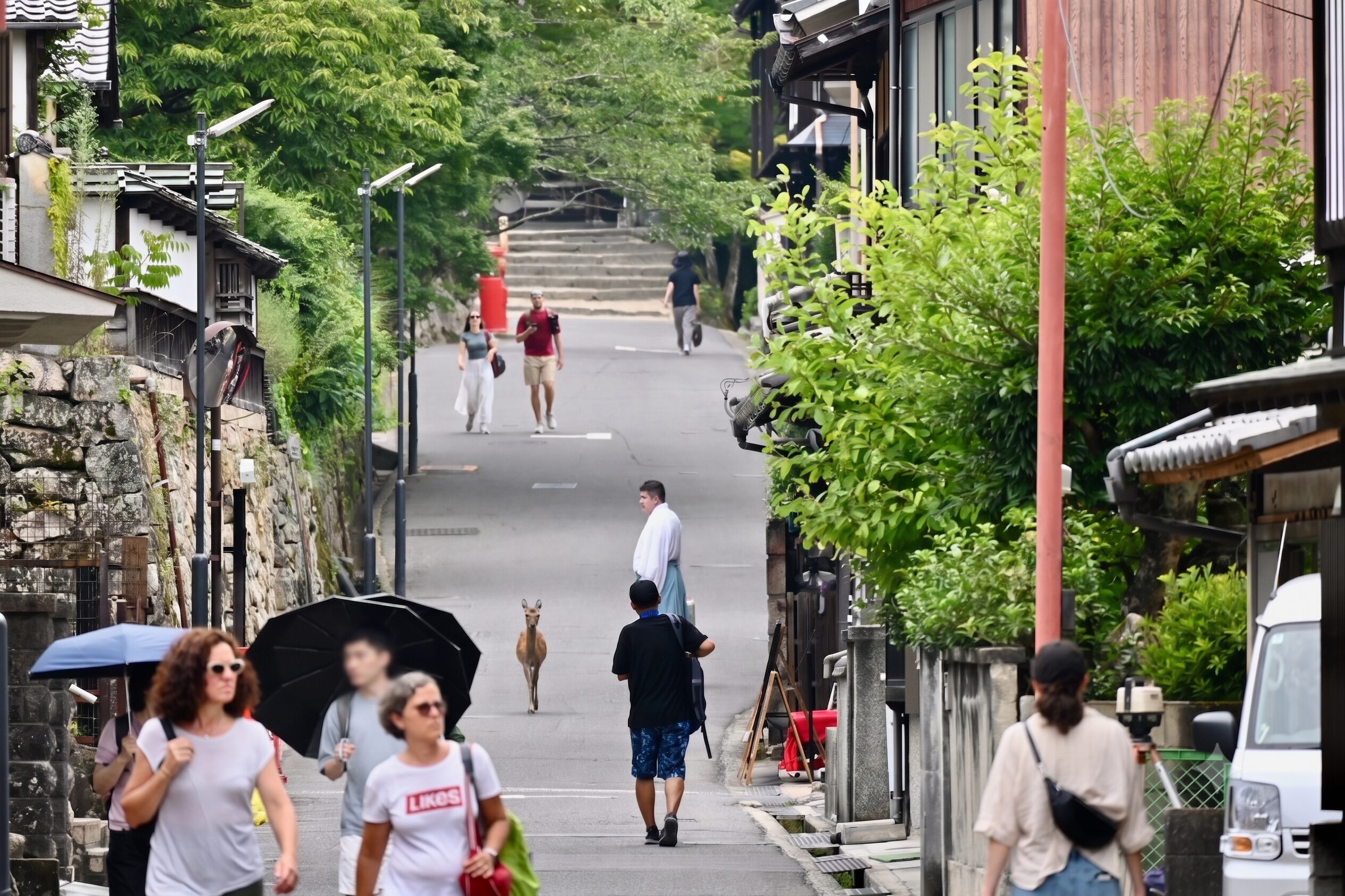
Walk along 'Takinokoji Alley,' an alley full of historical charm, where high-ranking Shinto priests once lived
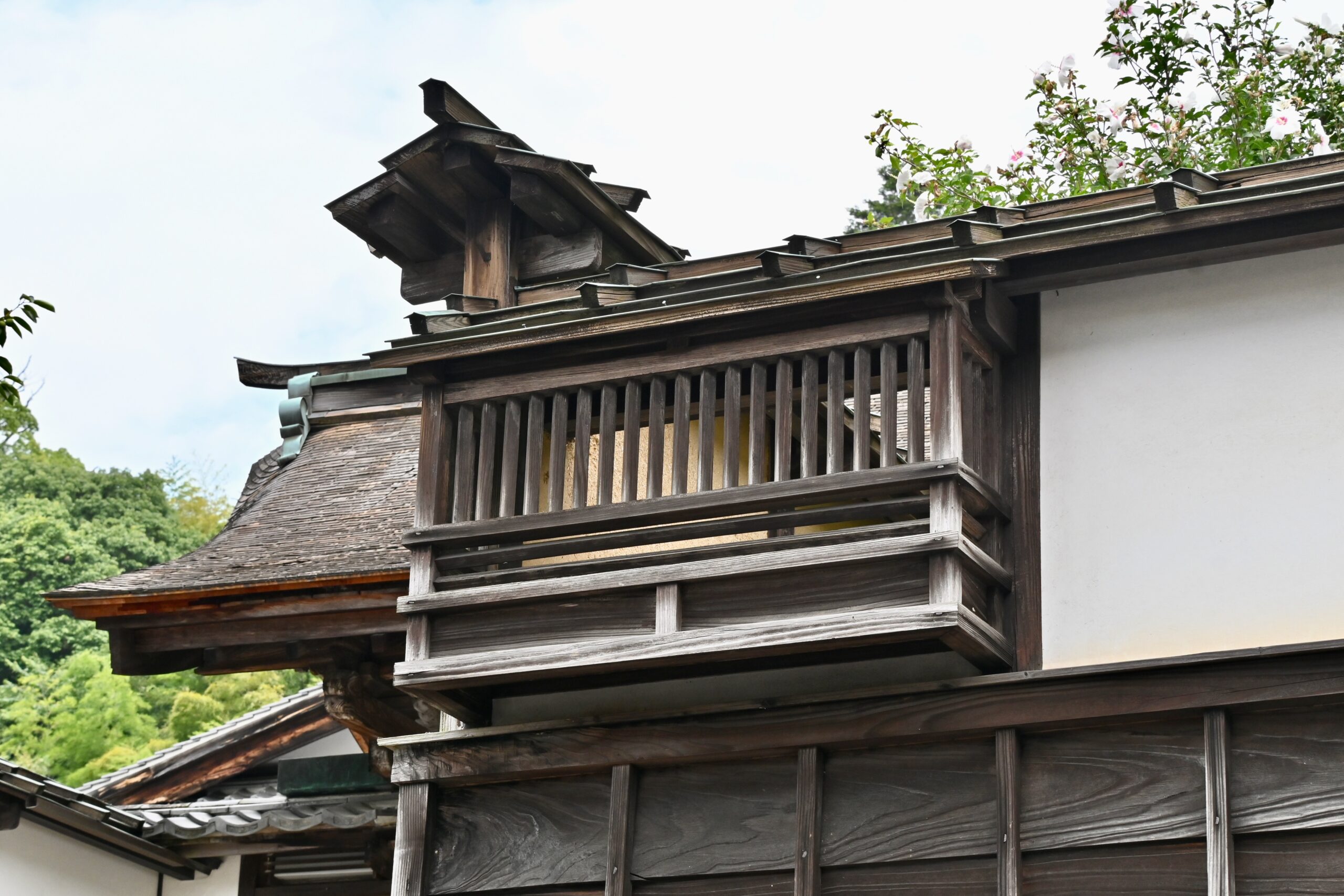
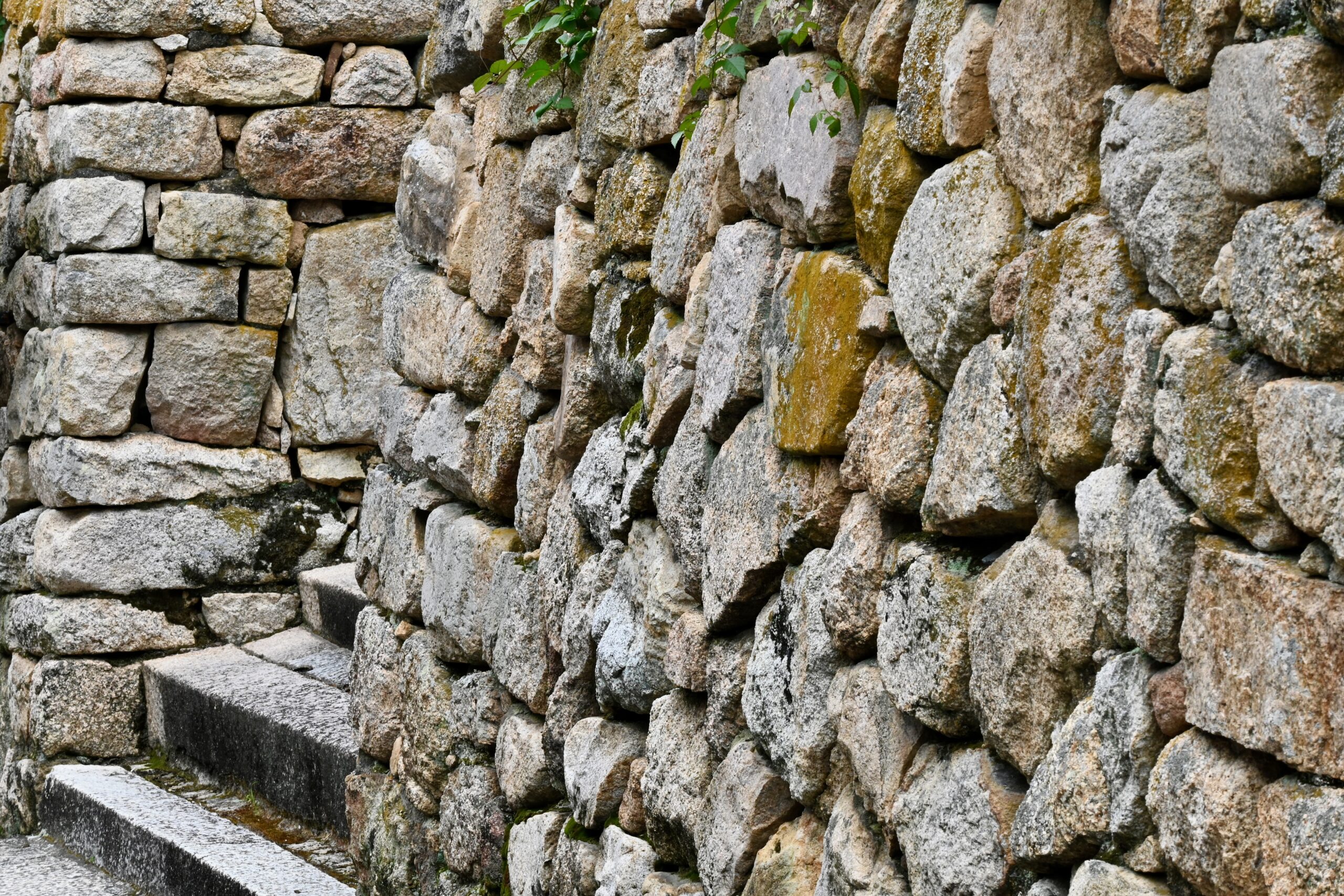
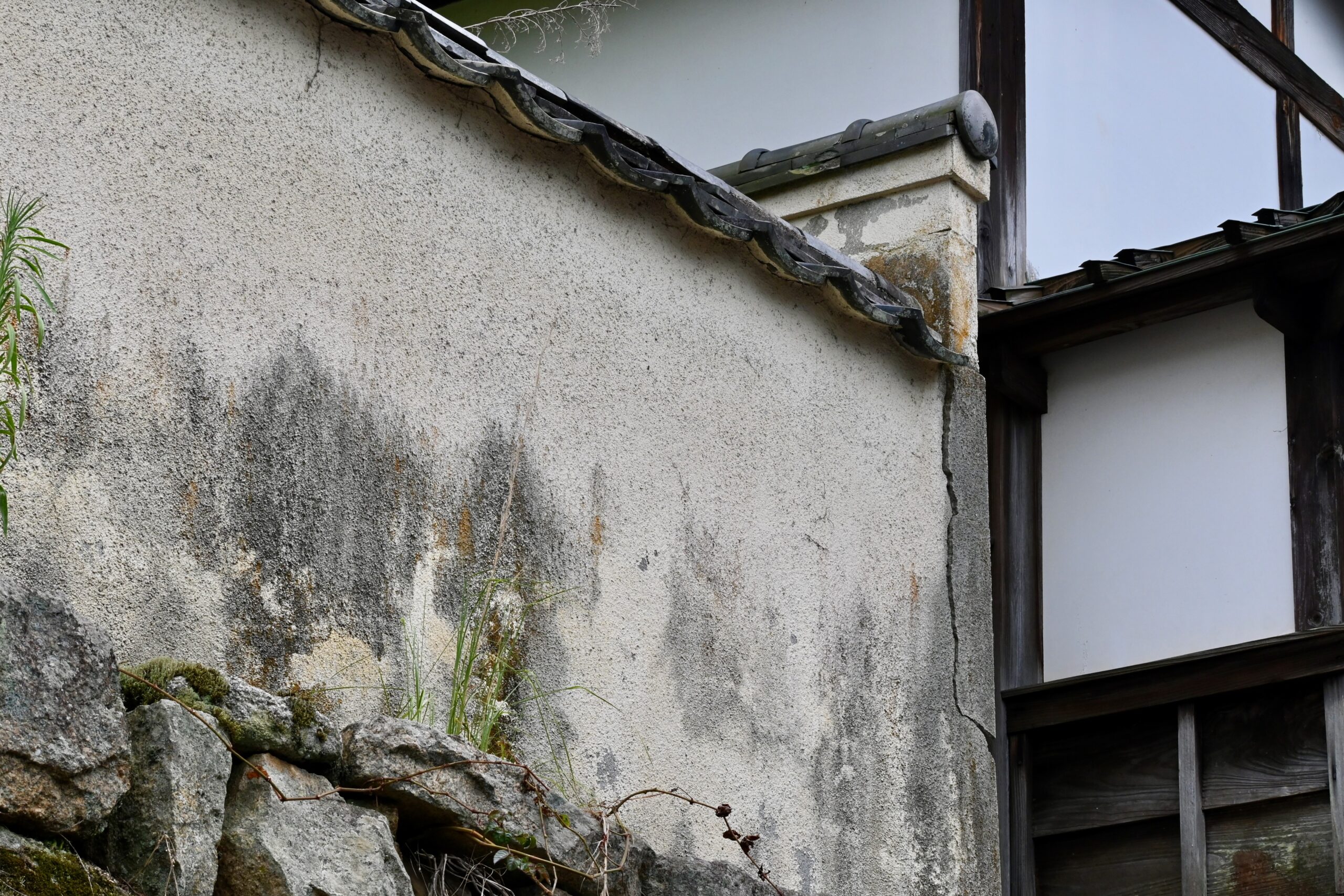
If you're heading to Daishoin, we recommend taking the route through 'Takinokoji Alley,' which extends west from the exit of Itsukushima Shrine. As you step away from the bustling shopping street, you'll find a profound townscape enveloped in tranquility. This area was once a special place where high-ranking Shinto priests serving Itsukushima Shrine resided. In contrast, merchants and artisans lived in the adjacent 'Yanagi Alley,' and it is said that residential areas in Miyajima were divided by social status at the time. In Takinokoji Alley, traditional 'Miyajima-goushi' (Miyajima lattices) townhouses, substantial stone walls, and dignified earthen walls still remain, making you feel as if you've traveled back in time. This area has been designated an 'Important Preservation District for Groups of Traditional Buildings' and is popular as a walking path where you can intimately experience Miyajima's history and culture.
Can you find a Jizo statue that resembles you!? The 'Go-hyaku Rakan' (Five Hundred Arhats) offer healing with their humorous gestures
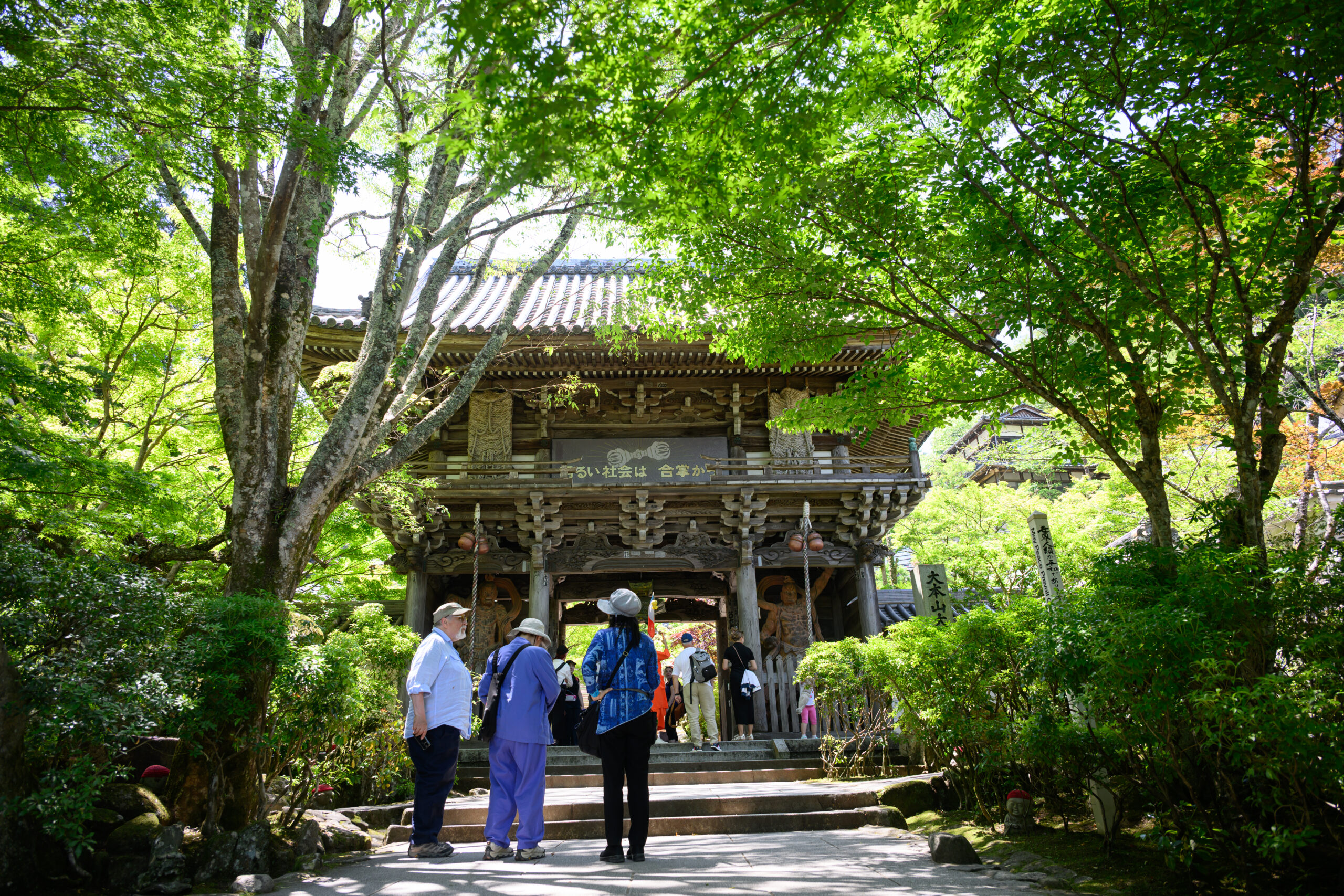
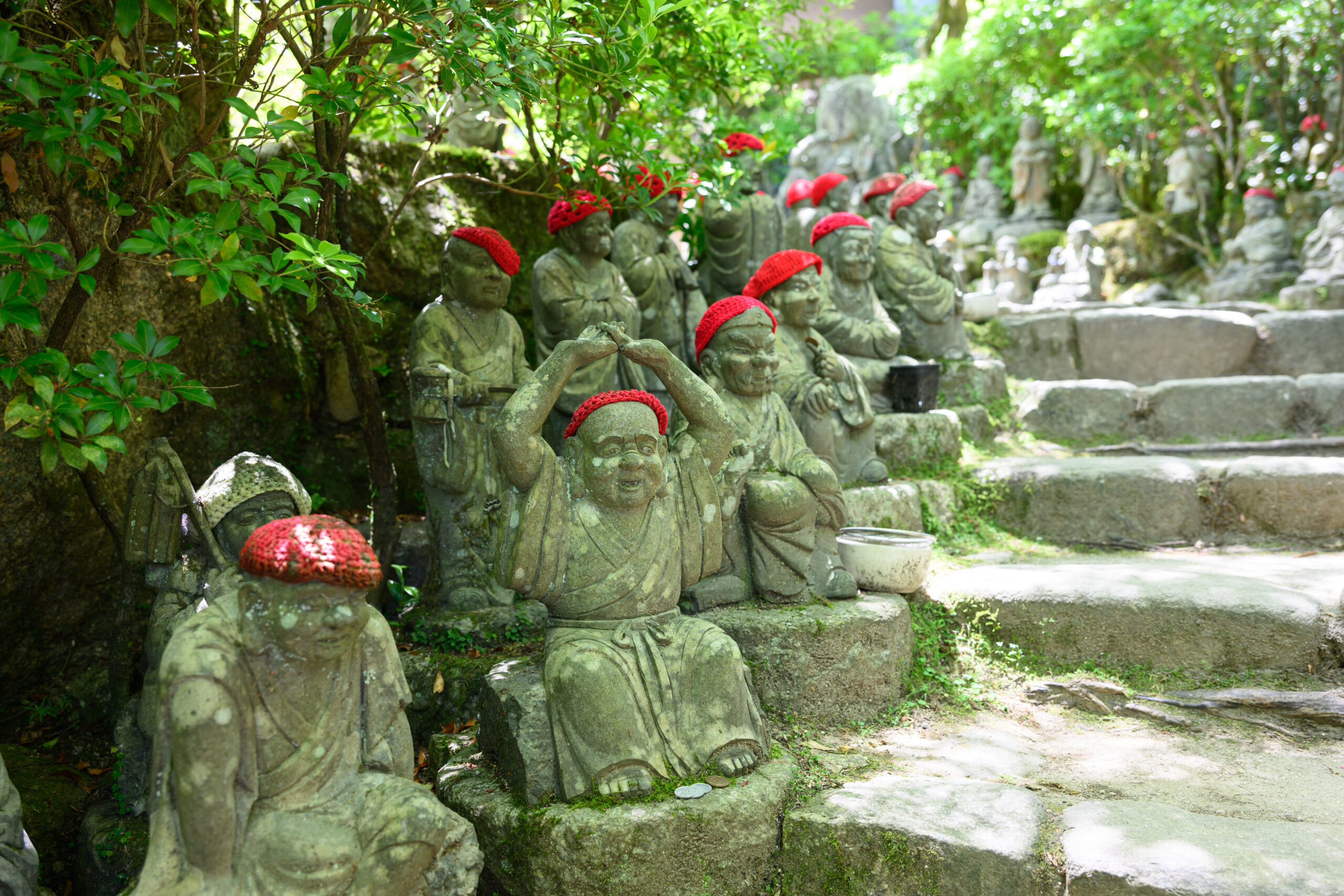
As you proceed through Takinokoji Alley, you'll hear the murmur of the river, and the stone steps leading to Daishoin's main entrance, 'Niomon Gate,' will come into view. Passing through the gate, you'll find a row of Jizo statues called 'Go-hyaku Rakan' lining the stairs, gently welcoming visitors. Their appearance, wearing colorful knitted hats, is striking, and the fact that each one has a different expression is also a charm. Just looking at their figures—some gently smiling, others showing somewhat humorous gestures—naturally soothes the heart. It's also said that 'you're sure to find a Jizo statue that resembles you or your family,' so please try to find your favorite one.
Daishoin Temple, an ancient temple with over 1200 years of history, associated with Kobo Daishi (Kukai)
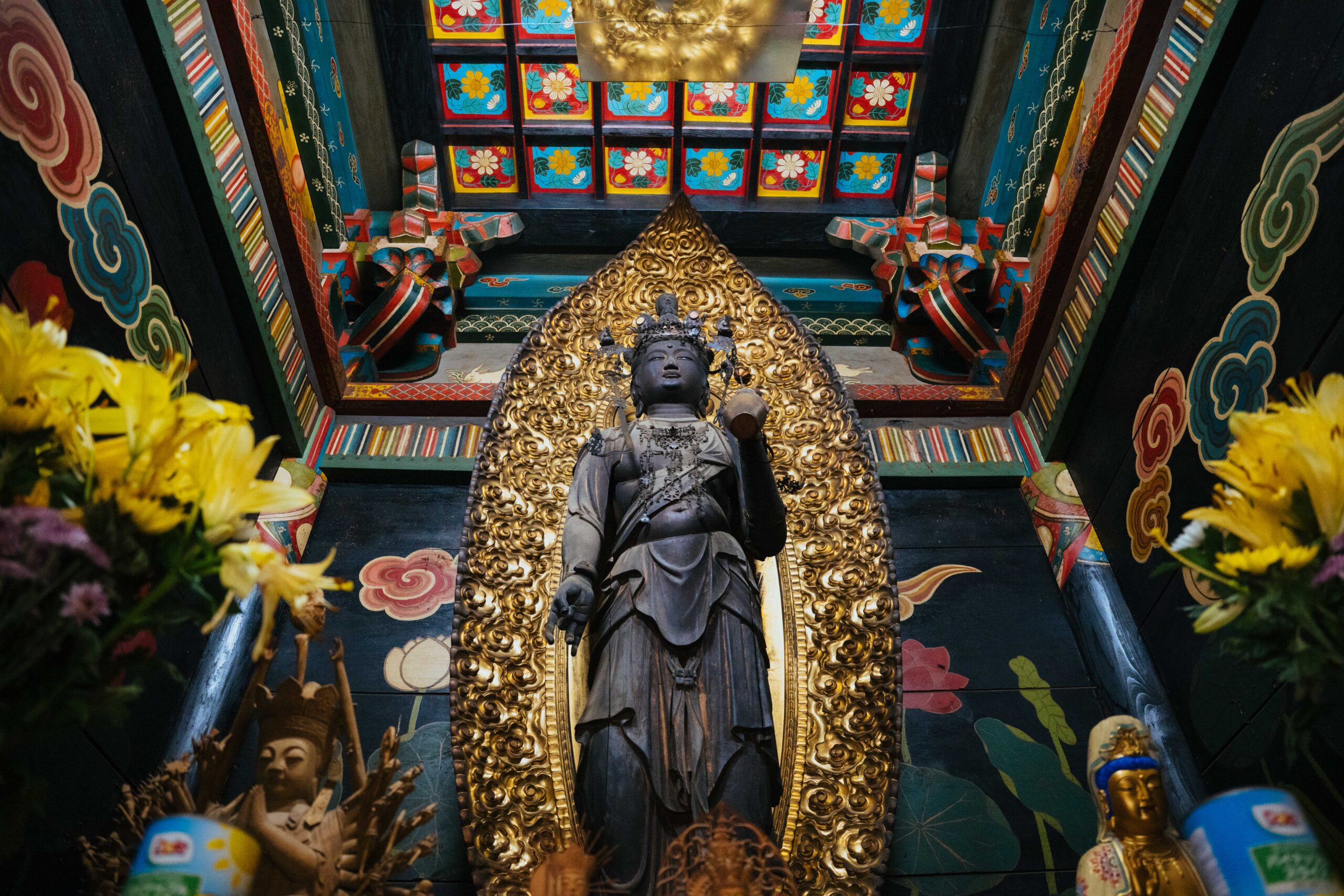
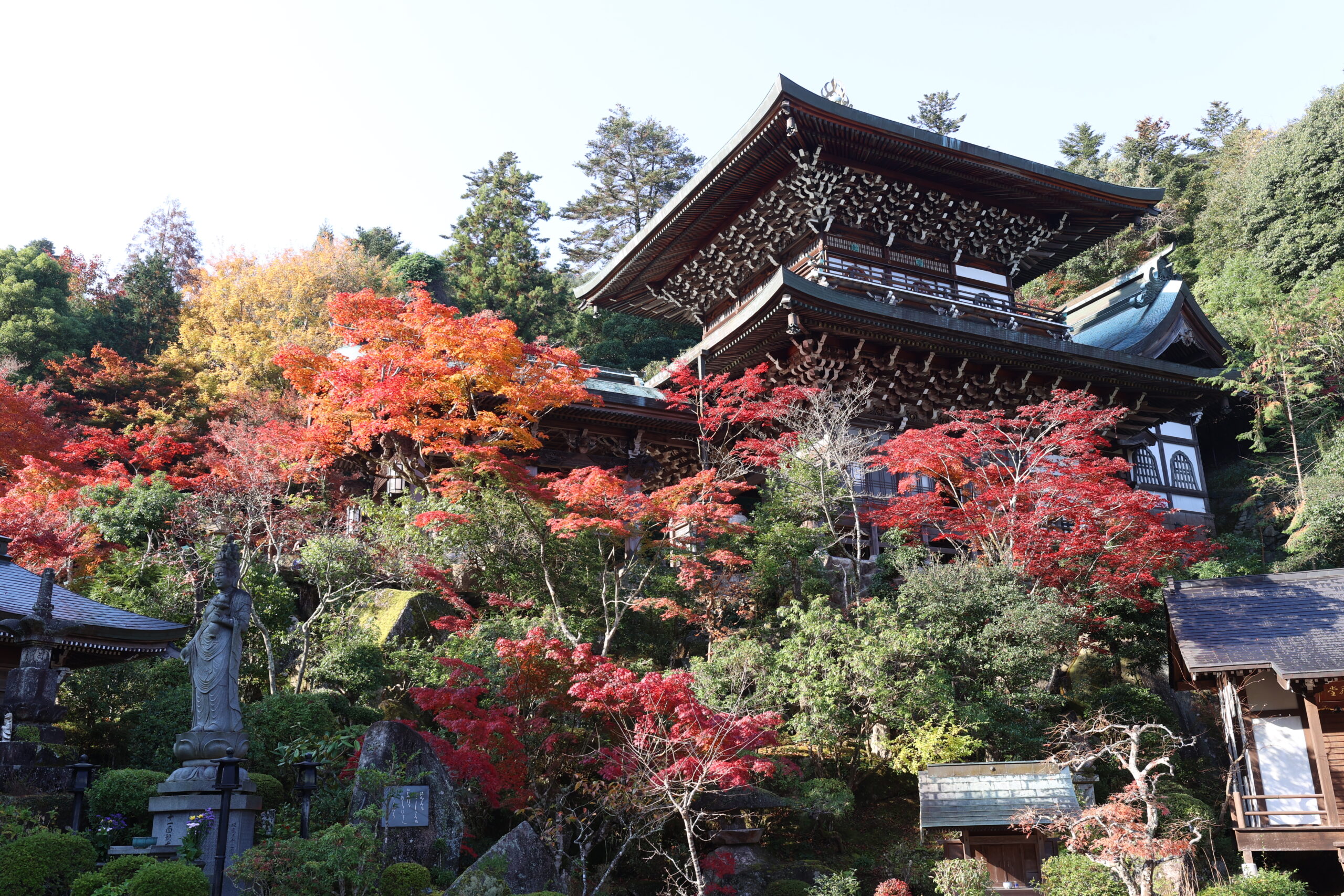
The history of Daishoin Temple dates back over 1200 years to 806 AD. It is Miyajima's oldest temple, said to have been founded by Kobo Daishi (Kukai), who was moved by the sacred peak of 'Mount Misen.' Since then, it has served as a prayer temple for successive emperors, including Emperor Toba, and has deep ties with many historical figures, such as Toyotomi Hideyoshi, who held a poetry gathering here. In fact, until the Meiji era, Daishoin played an important role as the 'Bettouji' (supervising temple) of Itsukushima Shrine. It performed sutra readings dedicated to the shrine, and the shrine and temple together supported the faith. Although it took its current form due to the Shinbutsu Bunri-rei (separation of Shinto and Buddhism decree)*, precious Buddhist statues (such as the Eleven-faced Kannon Bodhisattva) that were once enshrined in the main hall of Itsukushima Shrine are still carefully preserved within the temple grounds. 'Itsukushima Shrine' and 'Daishoin Temple' are two parts of a single sacred site. When visiting Itsukushima Shrine, why not extend your walk a little further and enjoy discovering another charm of Miyajima?
*Shinbutsu Bunri-rei (Separation of Shinto and Buddhism decree): A policy issued by the Meiji government in 1868, prohibiting the custom of Shinbutsu-shugo (syncretism of Shinto and Buddhism) and distinguishing between Shinto and Buddhism, gods and Buddhas, and shrines and temples.
Eleven-faced Kannon Bodhisattva
Text
MIYAJIMA NOTE Editorial Team
Walking through Miyajima, capturing scenery, encounters, and the local culture that moves the heart.
We share the air and moments of this island as a travel record—delivering what standard travel guides cannot.