Miyajima and France – What unexpected commonalities connect two World Heritage sites nearly 9,700 kilometers apart!? / Itsukushima Shrine, Mont Saint-Michel
A story of ongoing exchange Two places of worship floating on the sea
When walking around Miyajima, you often see French tourists. The reason for this lies in an unexpected connection with a "World Heritage site" located approximately 9,700 kilometers away from Miyajima.
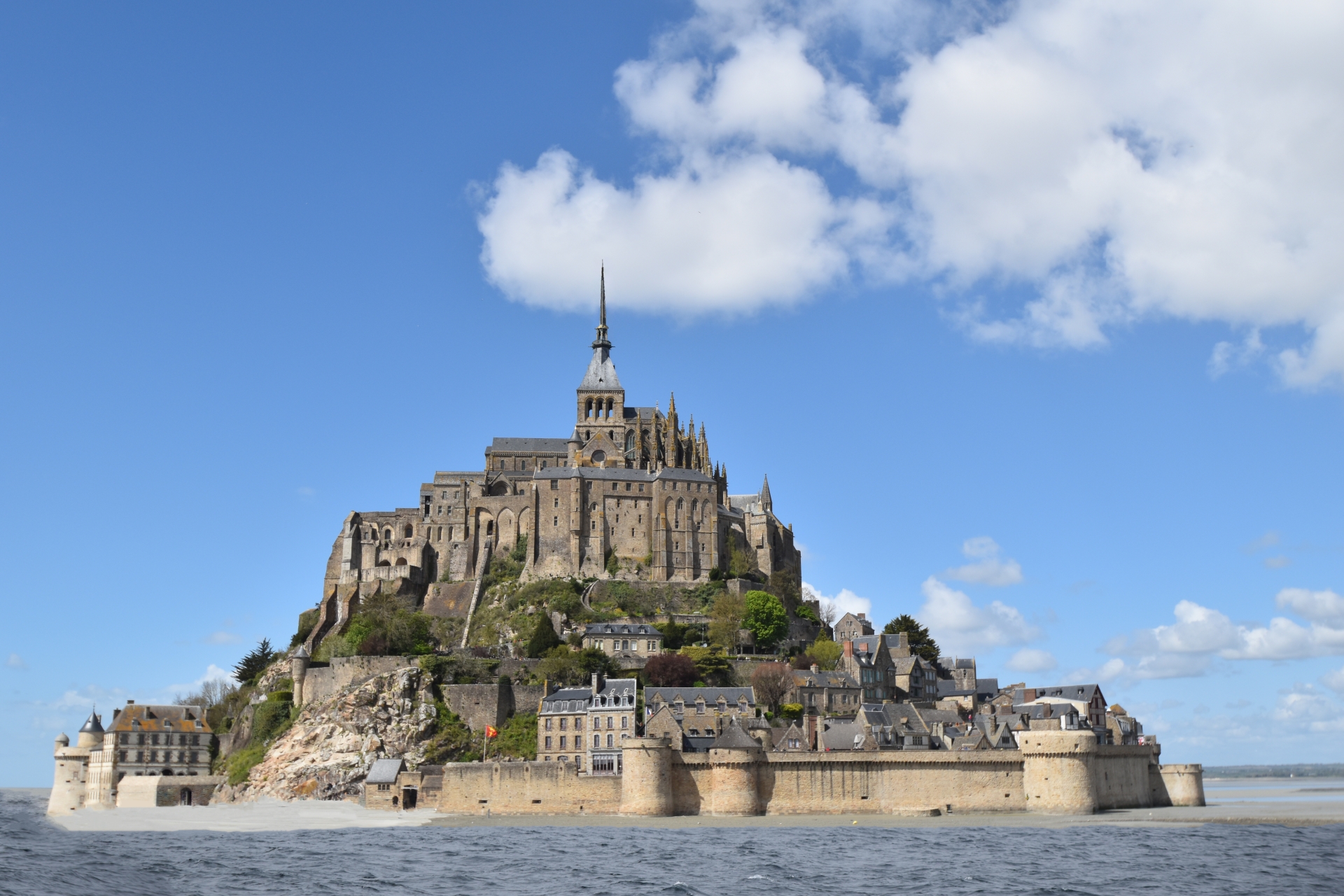
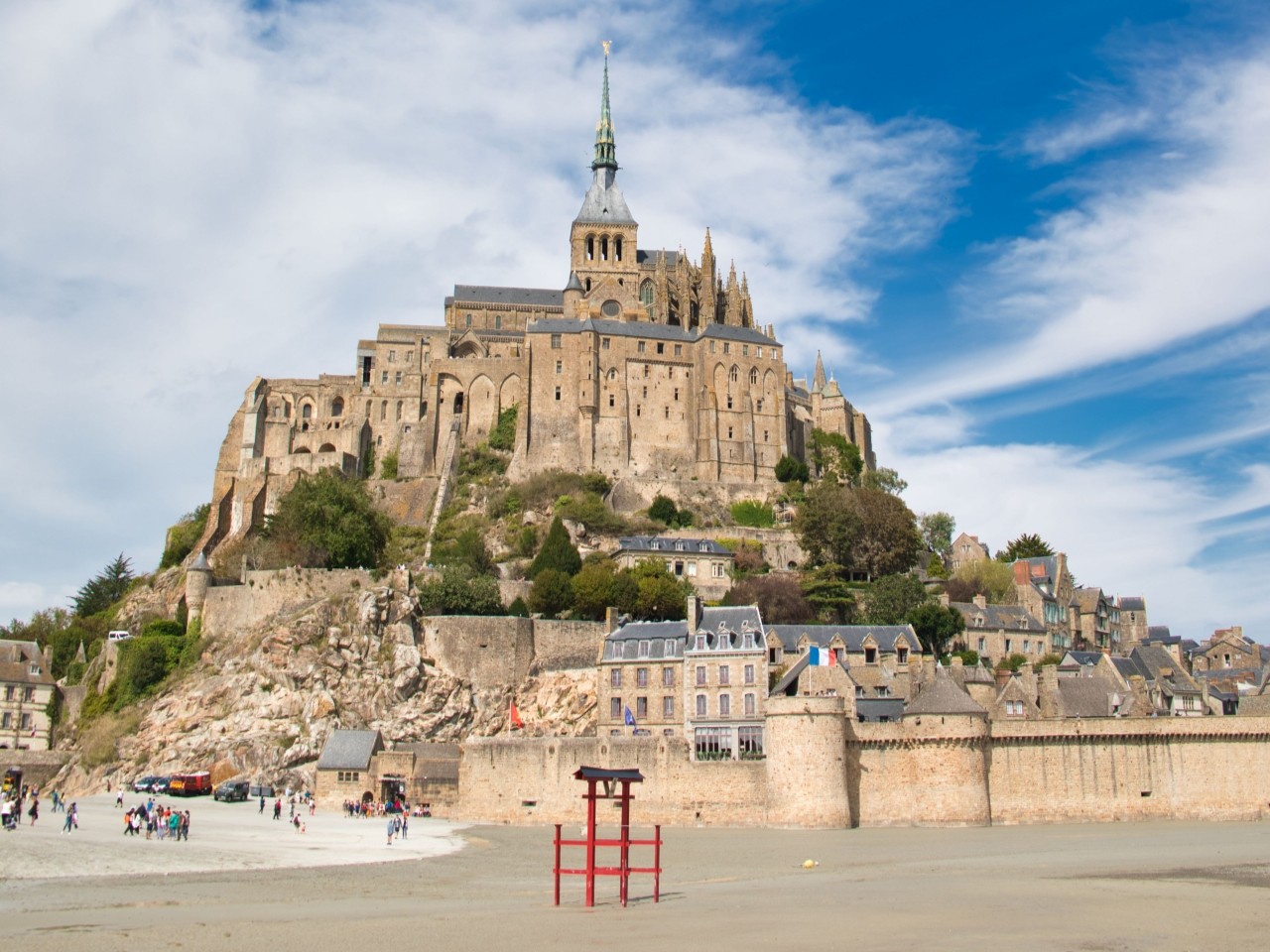
That 'World Heritage site' is Mont Saint-Michel, floating off the coast of the Normandy region in northwestern France. It is an abbey built on a small rocky island, registered as a World Heritage site in 1979. It is also known as one of the important pilgrimage sites for Catholics.
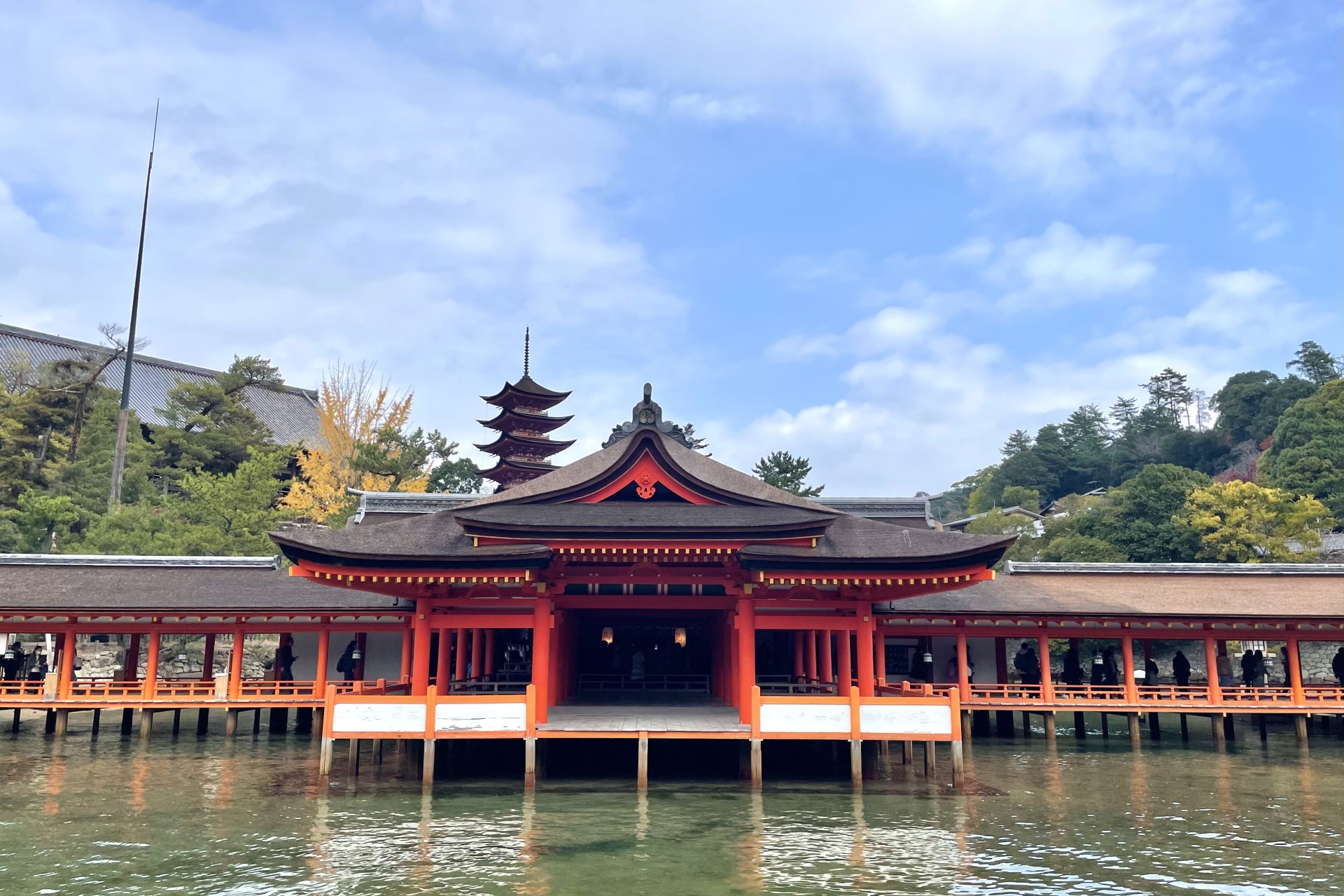
Miyajima also boasts a heritage that the world can be proud of: Itsukushima Shrine. It is known for its shrine buildings and Otorii gate standing in the sea, and was registered as a World Heritage site in 1996. It is one of Japan's leading shrines, having gathered worshippers since ancient times.
Mont Saint-Michel
Itsukushima Shrine
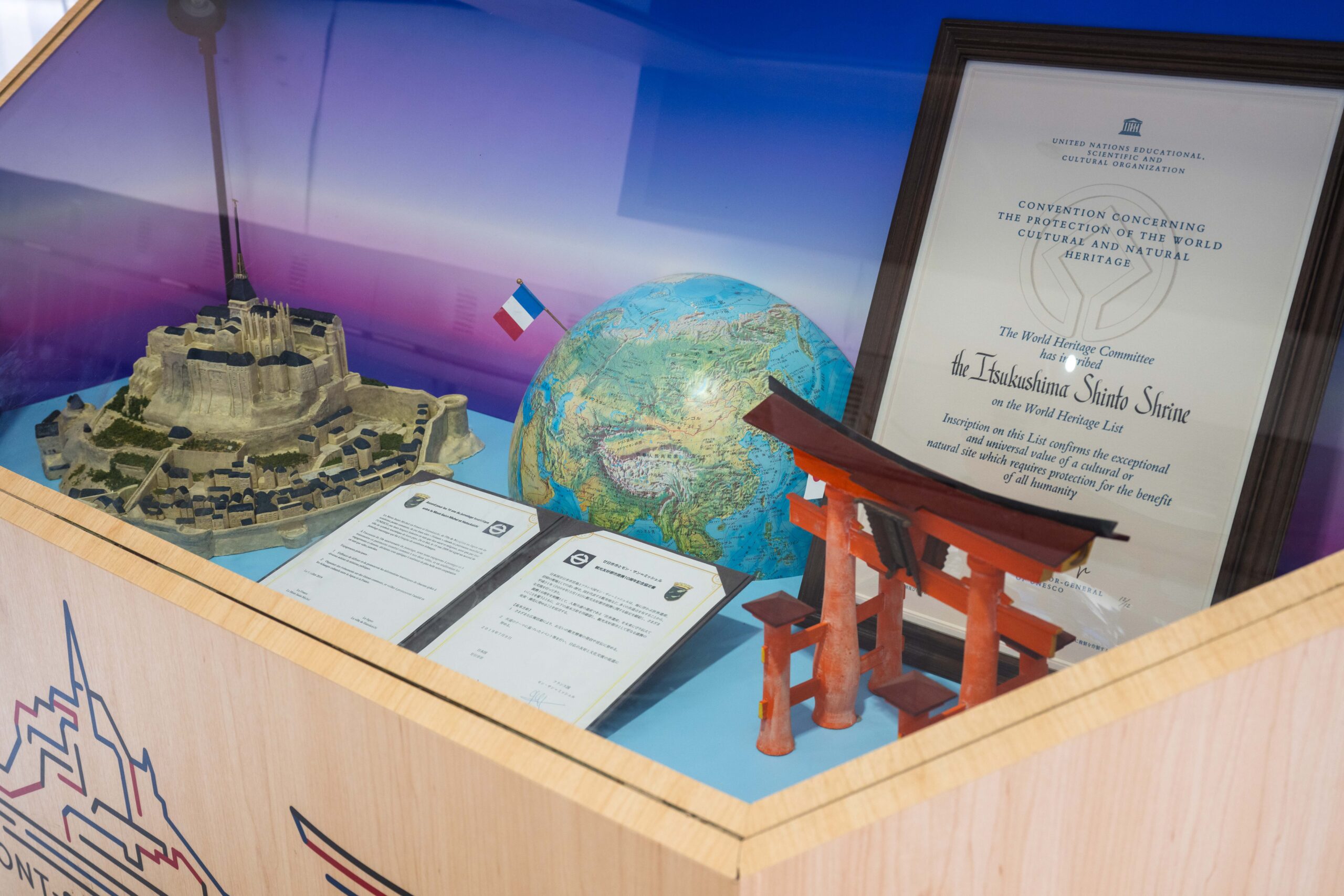
Due to these commonalities, Hatsukaichi City and Mont Saint-Michel signed a tourism friendship city agreement in 2009. As World Heritage sites floating on the sea, their cross-sea connection continues to this day.
A special corner located at Miyajima Pier, right after arriving on Miyajima.
A sweet encounter connected by World Heritage sites Miyajima sweets born across the sea / Yamadaya
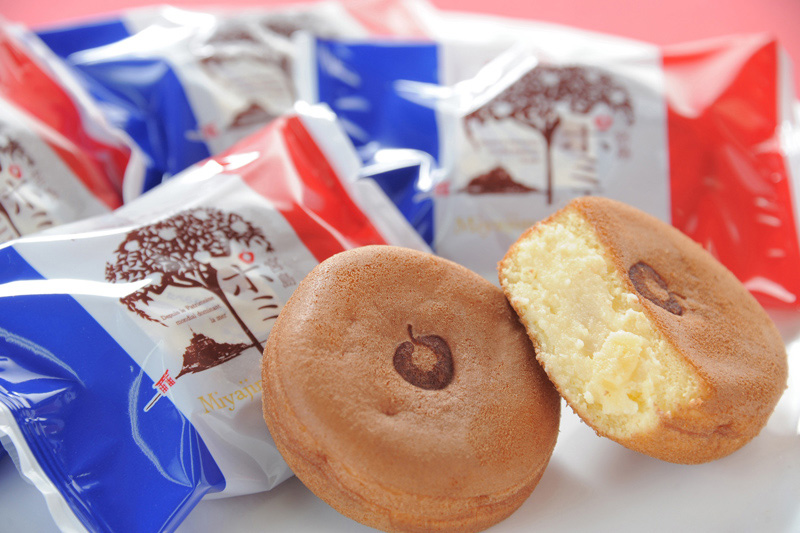
Miyajima Pommier, from Miyajima's famous long-established Japanese confectionery shop Yamadaya, is also one of the products born from this connection.
'Pommier' means 'apple tree' in French, and it was created by combining apples, a specialty of France's Normandy region, with Miyajima's originating Momiji Manju.
It is a confection wrapped in fluffy castella dough with apple pulp custard cream inside. Since it is sold only at the store, why not pick one up when you visit Miyajima?
The Miyajima Pommier with a cute apple brand is 170 yen each.
A new flavor born from international exchange An evolved Momiji Manju using Mont Saint-Michel salt / Sakamoto Kashiho
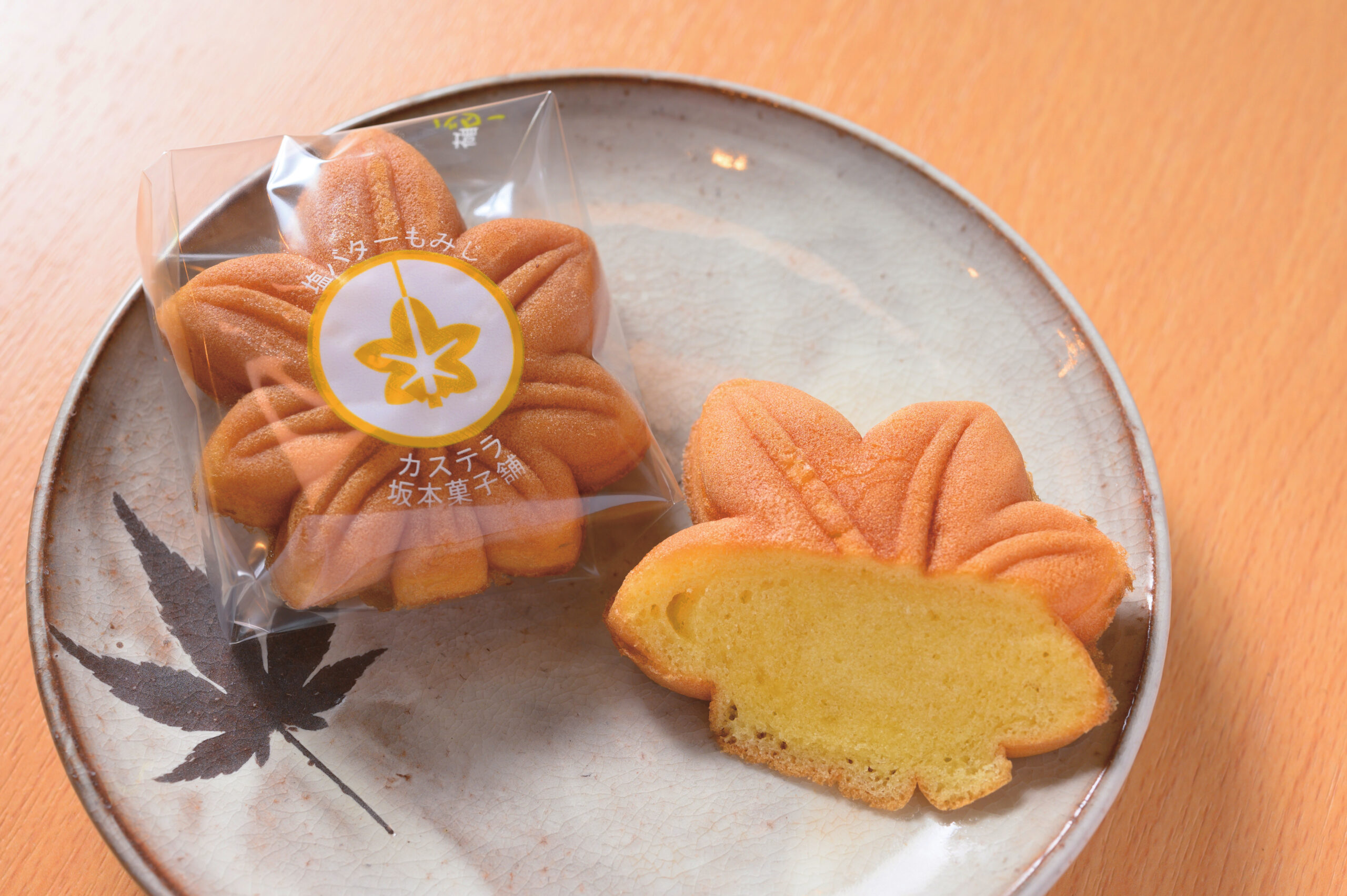
Another place I'd like to introduce is Sakamoto Kashiho, located on Machiya Street, one street away from Omotesando Shopping Street. Here, they sell 'Salted Butter Momiji,' which uses salt from near Mont Saint-Michel and New Zealand-produced butter.
Here, I'd like you to pay attention to the word 'New Zealand', as Masterton, a city in New Zealand, is actually also one of Hatsukaichi City's sister cities. Based on friendly relations with overseas cities, this is a product that combines the charms of Japanese and Western styles, utilizing the unique techniques of a long-established Momiji Manju shop.
It offers a fresh taste even to those accustomed to classic Momiji Manju, making it perfect as a travel snack or souvenir. The subtle accent of salt and the rich butter flavor spread, allowing you to discover new charms of Miyajima sweets.
A new sensation Momiji Manju without bean paste.
Miyajima is not only home to ancient Japanese history such as Itsukushima Shrine and Mt. Misen, but also a vibrant history of international exchange. If you taste the sweets born from the connection with Mont Saint-Michel, you might discover a slightly different side of the island than usual tourism.
Why not enjoy the story connecting two World Heritage island sites, nearly 9,700 kilometers apart, through their sweets?
A replica of the Itsukushima Shrine torii gate, temporarily installed to celebrate the 10th anniversary of the tourism sisterhood partnership.
[DATA] ■ Yamadaya Address / 835-1 Miyajimacho, Hatsukaichi City TEL / 080-3352-3235 Hours / 9:00~18:00 Closed / None
■ Sakamoto Kashiho Address / 455 Miyajimacho, Hatsukaichi City TEL / 0829-44-0380 Hours / 9:00~17:00 Closed / Irregular
Experience Coolness in Miyajima: 5 Cafes & Teahouses with Fluffy Shaved Ice – Exquisite Iced Delights Packed with Hiroshima’s Best
You'll want to visit Miyajima just to taste this "special dish"... these shaved ice treats are like jewels. Be sure to add one to your Miyajima itinerary.
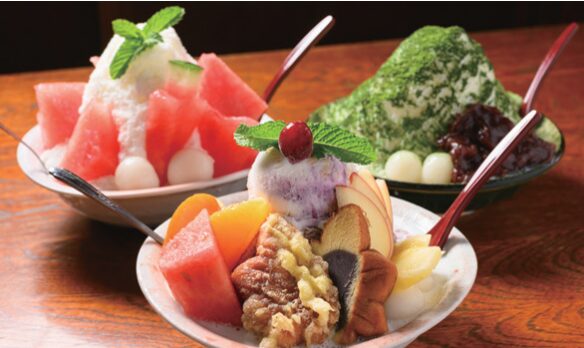
Luxurious Syrups Made with Hiroshima Fruits Commitment to Fluffy Ice Texture / CAFE HAYASHIYA
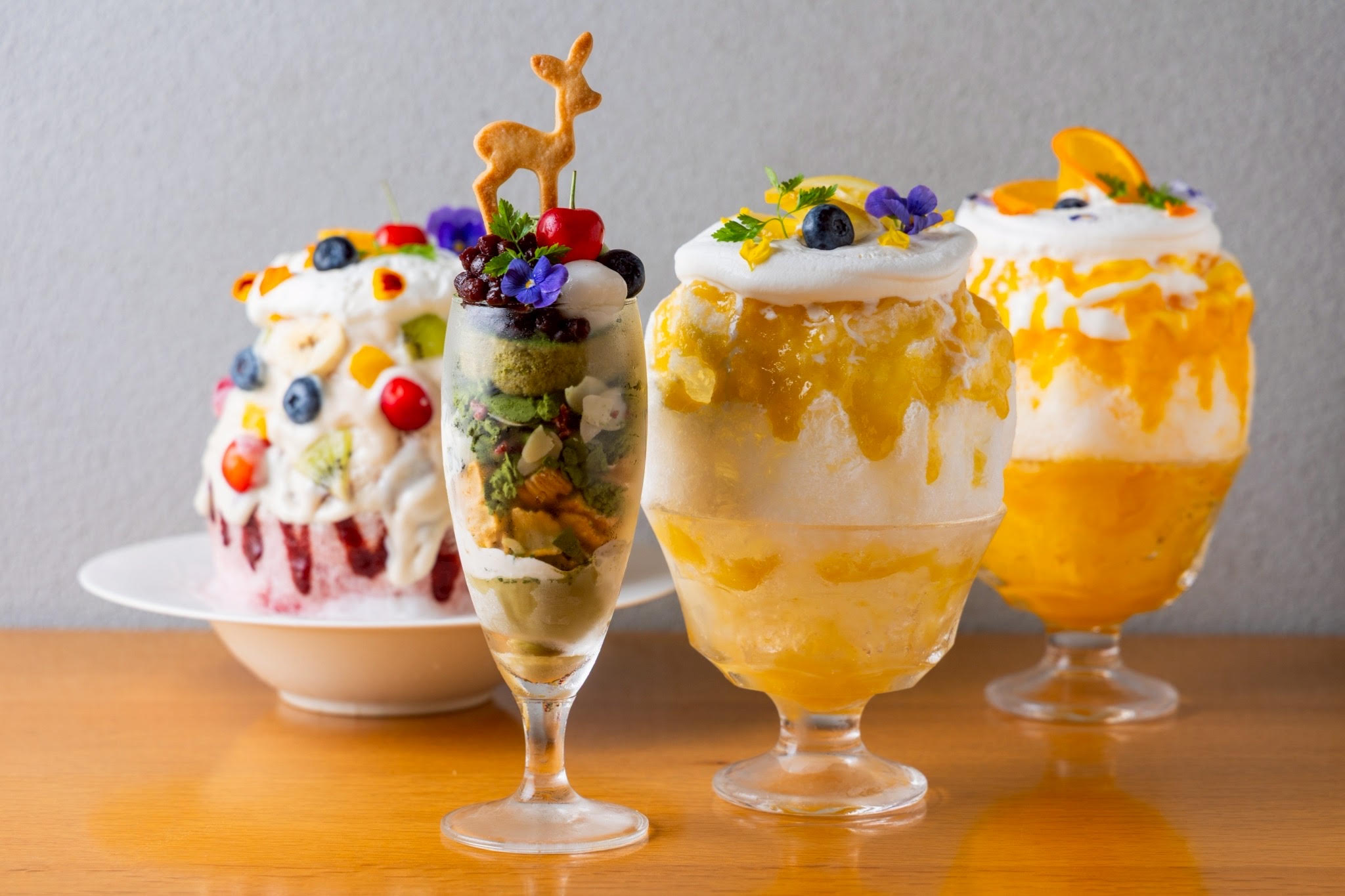
Right: Citrus Yogurt 1,800 yen
Setouchi lemon, navel orange, Miyajima yuzu, Okimi strawberries, and amazake... These shaved ice creations feature vibrant homemade syrups glistening on the ice with seasonal fruits. The ice itself is carefully selected from a long-established ice company.
By slowly freezing high-purity ice and carefully shaving it, they achieve this fluffy texture. It truly has the elegance of a "high-end patisserie".
【DATA】 CAFE HAYASHIYA Address/504-5 Miyajima-cho, Hatsukaichi-shi TEL/080-1932-0335 Hours/11:30~17:00 (Last Order 16:20) Closed/Currently closed, please check Instagram for business days
A New Texture Sweet... What is "Bingsu"? Savor the Ultimate Melt-in-Your-Mouth Experience / Shibai Saryo Mizuha
Ito Bingsu Miyajima Roman (Momiji Manju flavor) 1,500 yen
Melts delicately in your mouth... "Bingsu" is a dessert with a melt-in-your-mouth texture like powder snow. Among them, "Ito Bingsu" is an iced dessert where milk or fruit juice is spun into fine threads of ice, layered many times. The delicate sweetness of the milk melts.
Enjoy toppings like seasonal fruits and fried momiji manju. Adding condensed milk or vanilla ice cream is also highly recommended (◎).
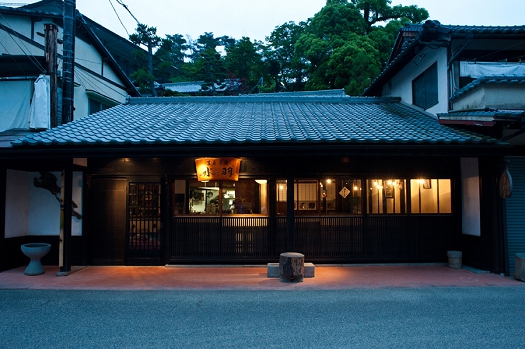
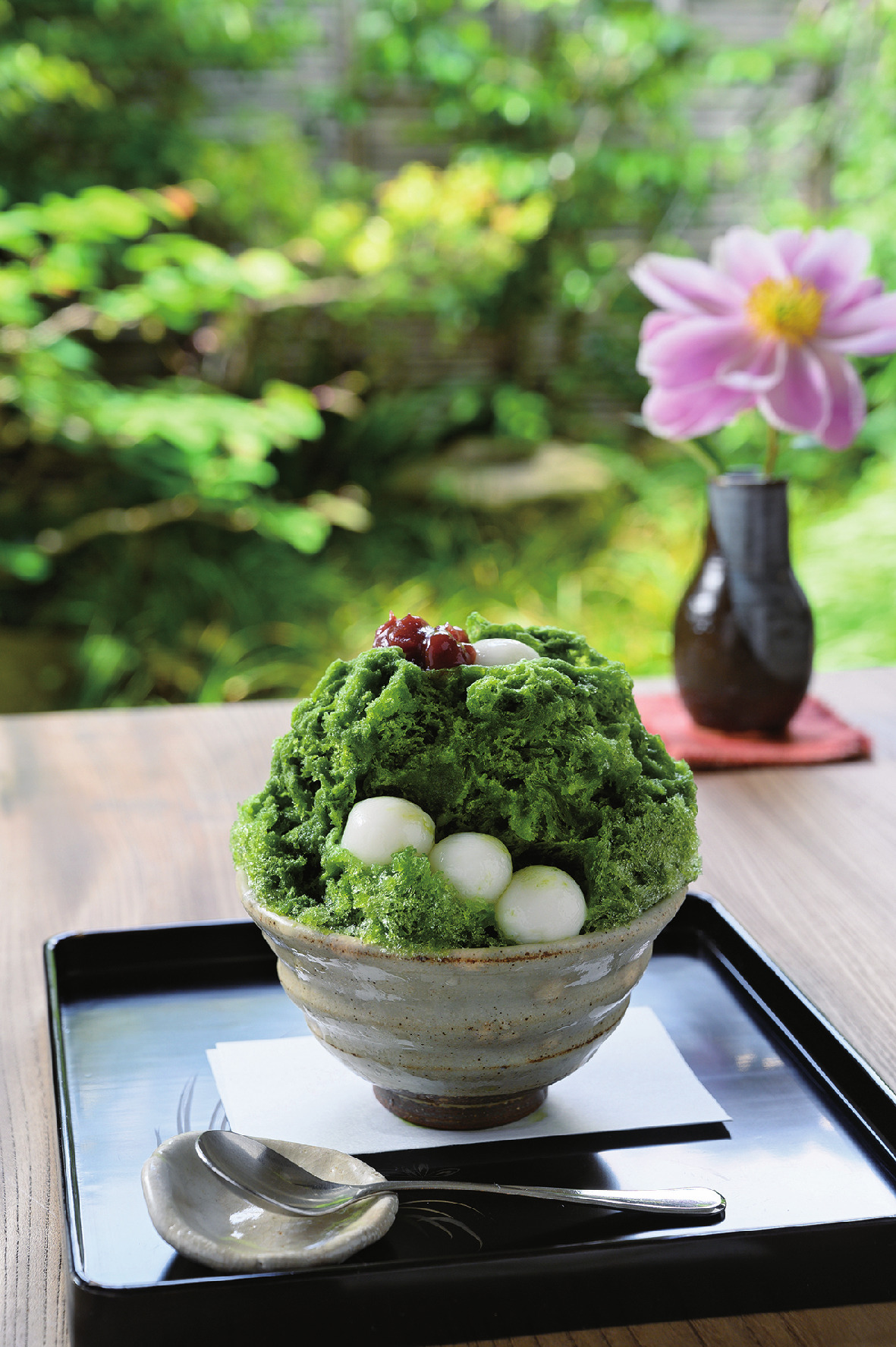
The Depth of Matcha and Sweetness of Anko Comforting Mochi Shiratama / Gallery Miyazato
Ujikintoki (1000 yen + Shiratama topping 100 yen)
Ujikintoki, with its beautiful green matcha, is refreshingly cool. The fluffy ice has a gentle texture. The moderate sweetness of the anko and the slightly bitter flavor of matcha gently soothe your fatigue – this is "shaved ice for adults"... The chewy shiratama is a topping you definitely should try.
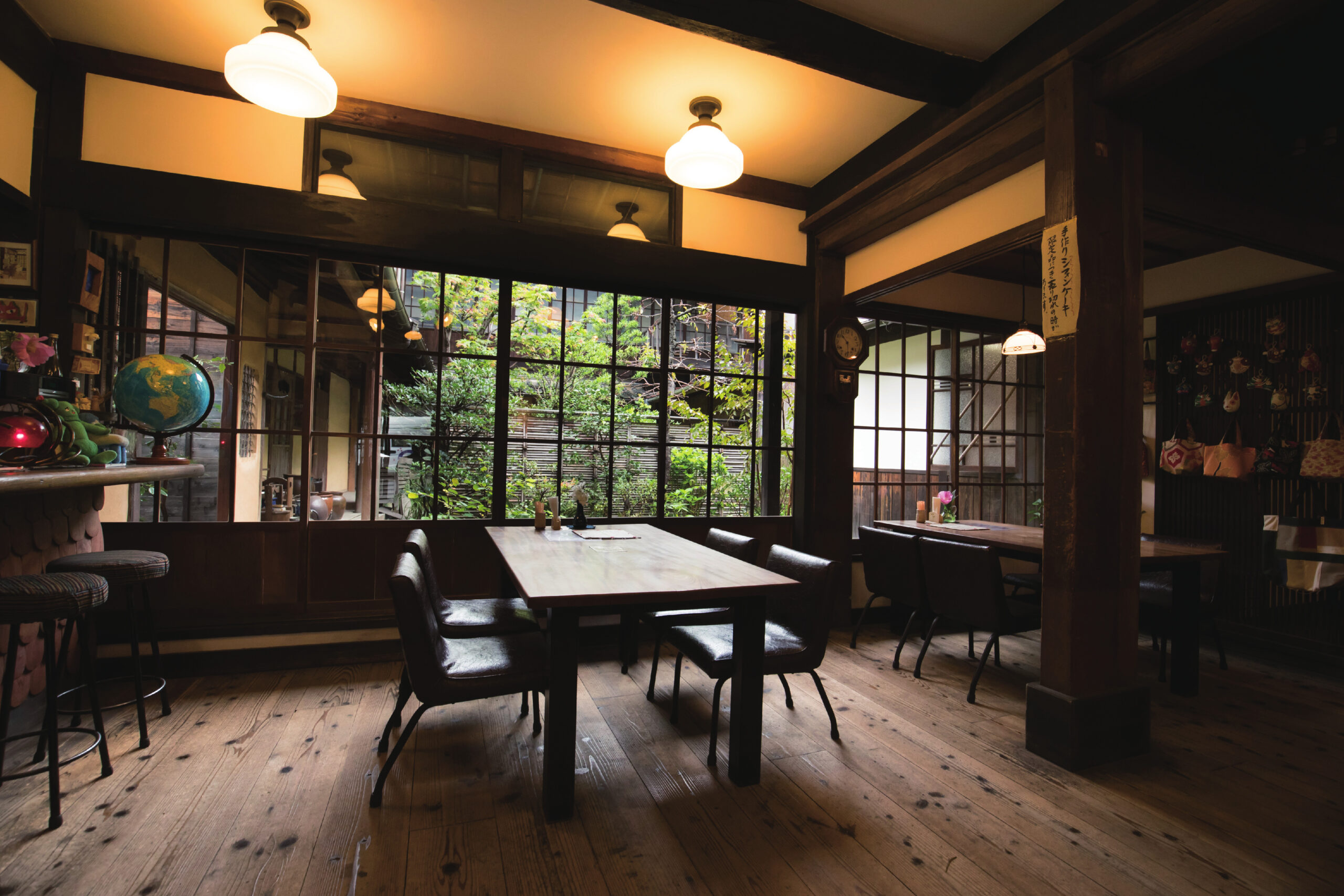
Spend some relaxing time enjoying the atmospheric old folk house and its charming garden scenery.
Fragrant with Bitter Hojicha Enjoy Shaved Ice for Adults / Miyajima Saryo Senkei
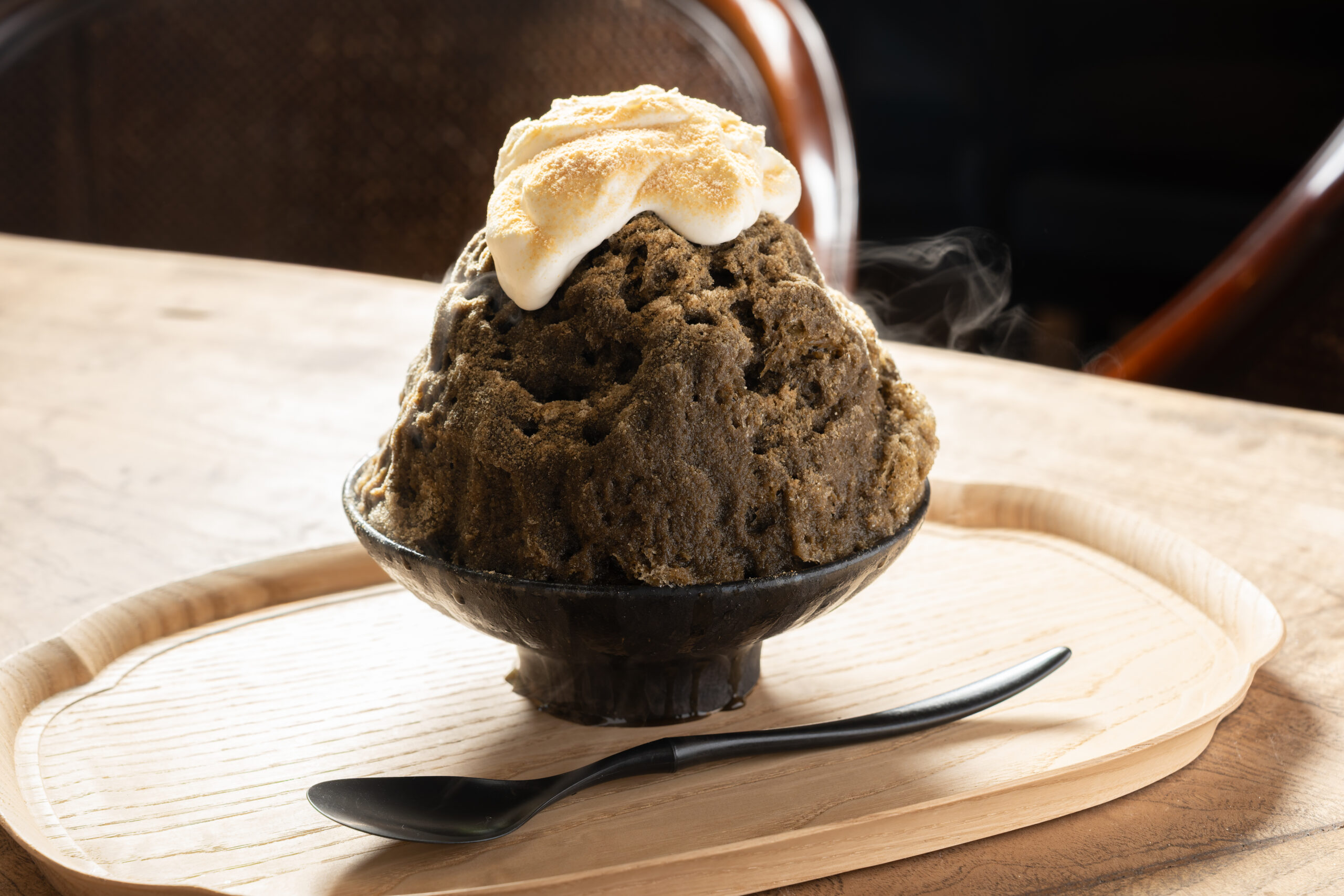
Hojicha Kinako Shaved Ice (1,900 yen)
This is shaved ice that tea lovers should definitely try. Rich hojicha ice conceals ice cream within, topped with mellow milk and kinako.
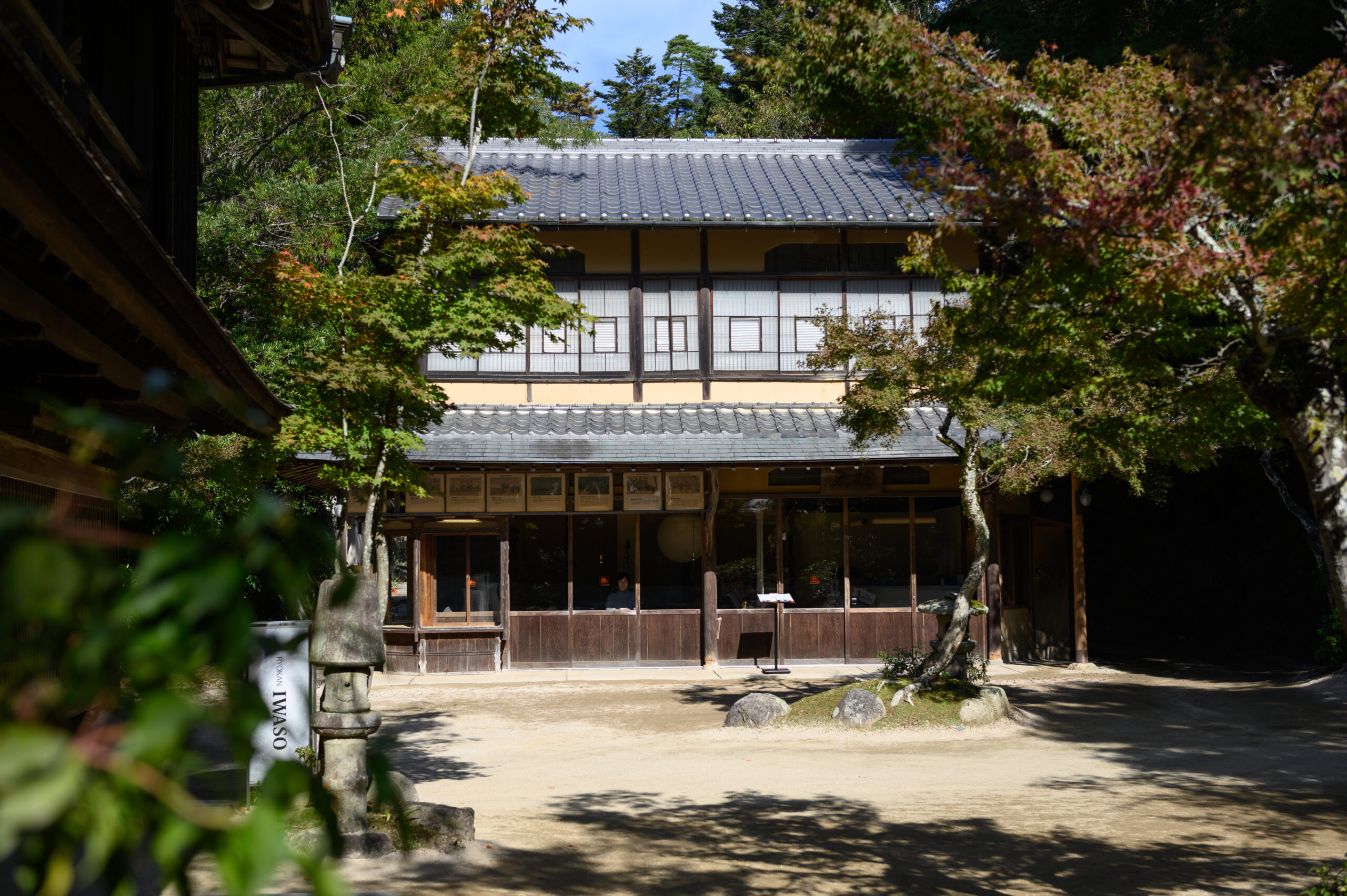
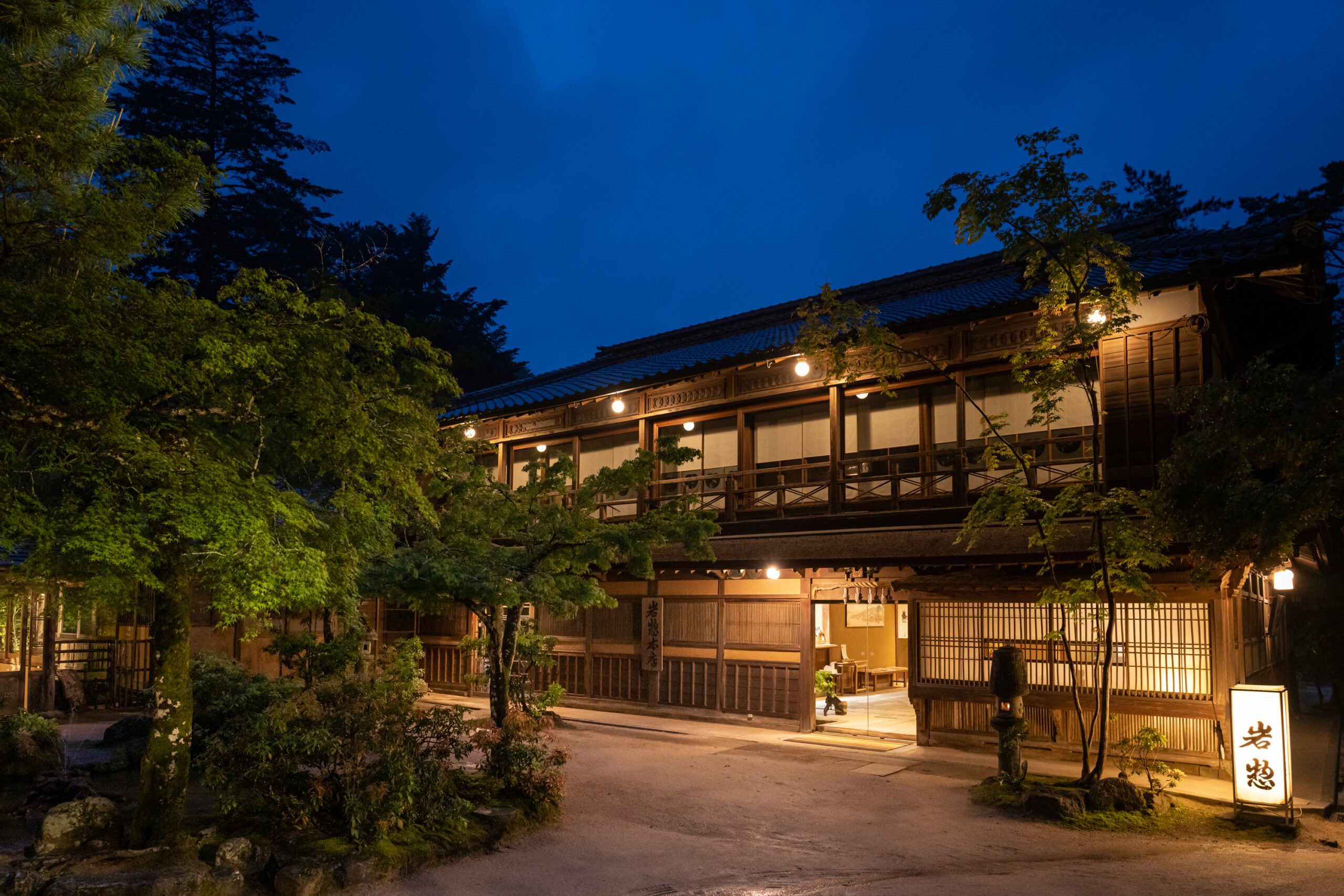
The exquisite balance of sweetness and bitterness spreads in your mouth. It's refreshing yet profound. This teahouse, located in an annex of the venerable ryokan Iwaso, allows you to enjoy seasonal scenery.
Why not enjoy a refined adult moment in a comfortable tranquility?
【DATA】 Miyajima Saryo Senkei Address/346 Minamimachi, Miyajima-cho, Hatsukaichi-shi TEL/None Hours/Sweets 11:00~22:00, BAR 18:00~22:00 (Sweets and alcoholic beverages available all day) Closed/Wednesdays, Irregular
A Long-Established Momiji Manju Shop Offers Delicately Flavored Desserts with Carefully Selected Ingredients / Fujiiya Miyajima Honten Karyo
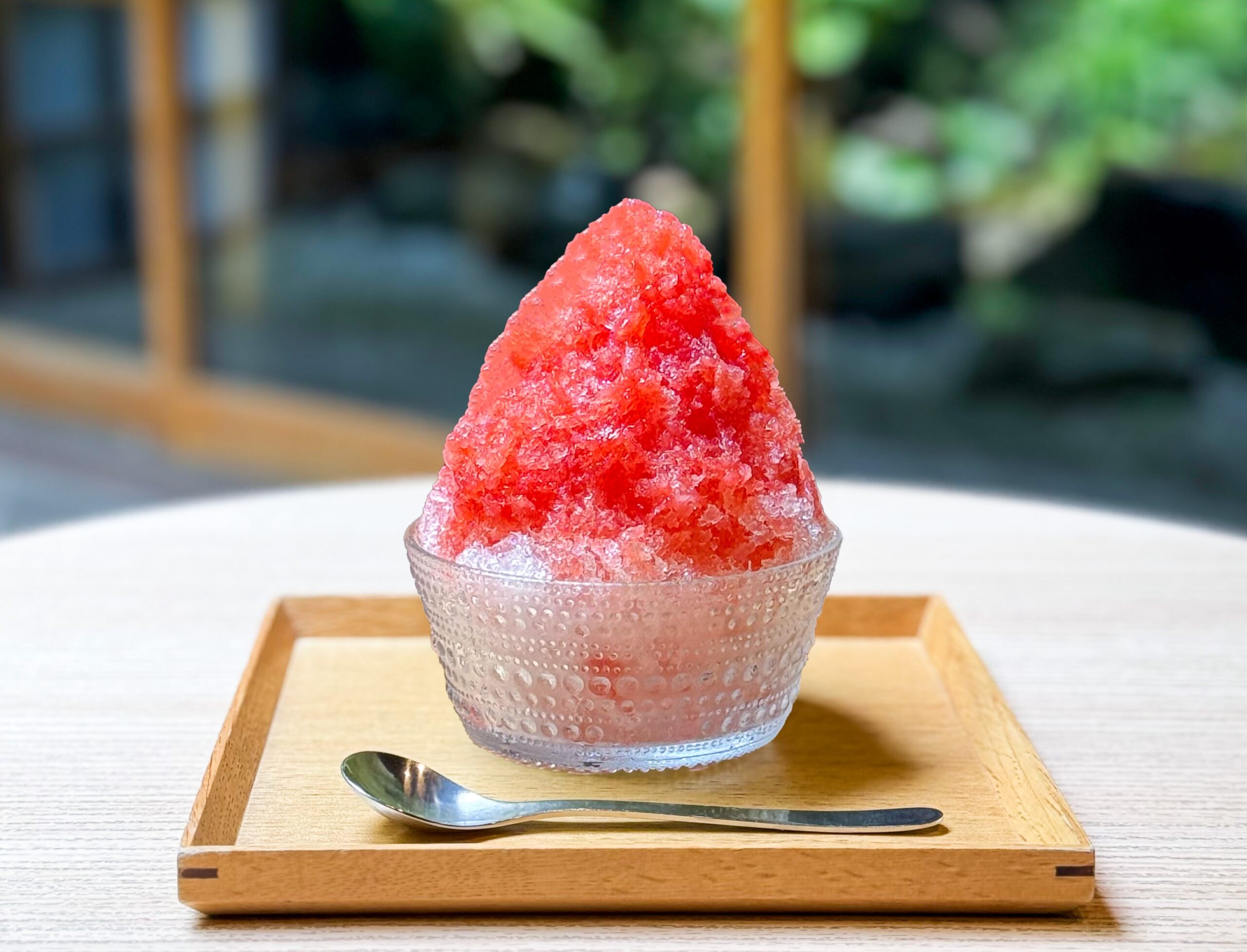
Special Strawberry Syrup (800 yen)
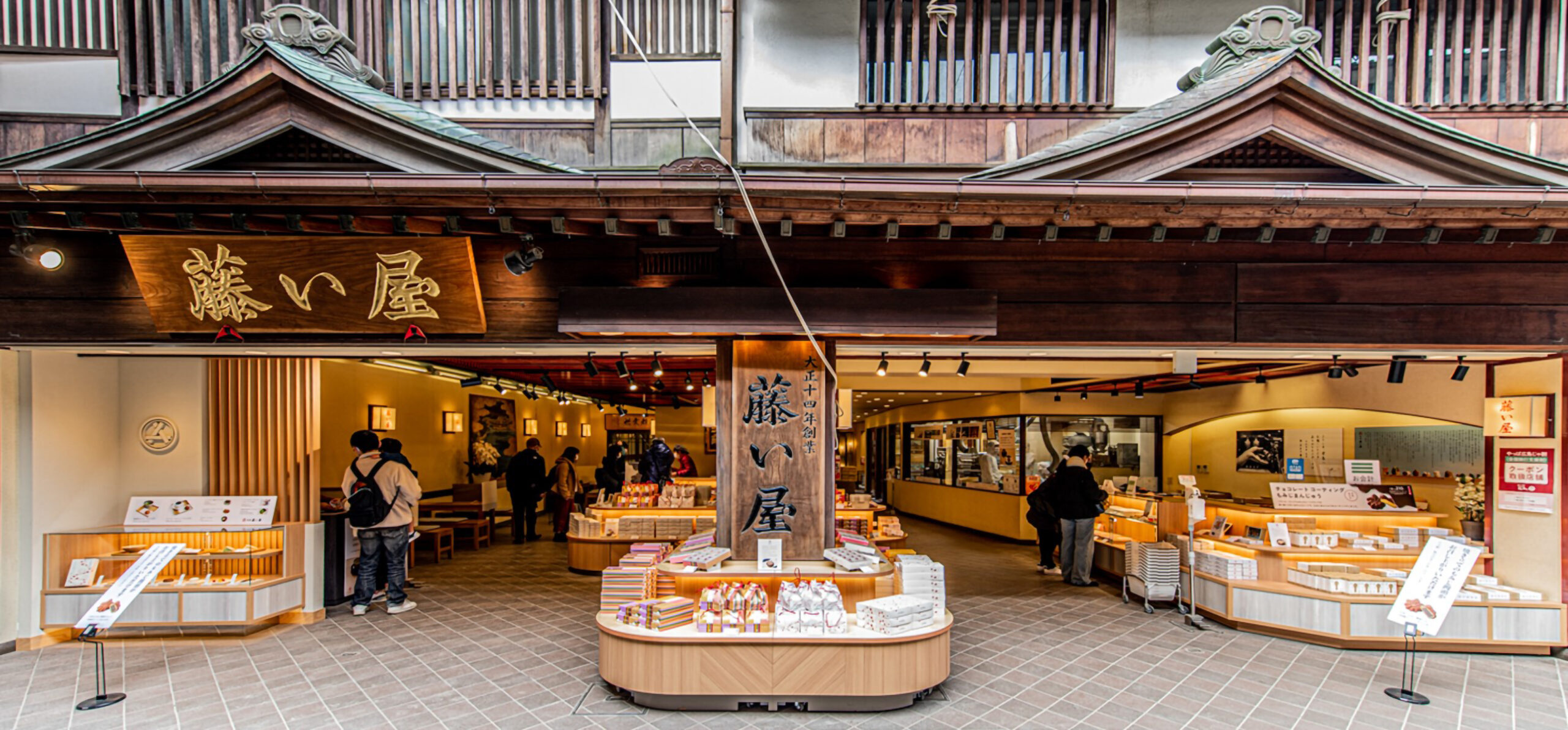
A teahouse annexed to the Miyajima main store of Fujiiya, a long-established momiji manju shop. The shaved ice served in its relaxed and calm interior is an elegant and delicate masterpiece.
In addition to Ujikintoki made with anko cooked by artisans, the vibrant strawberry shaved ice is particularly eye-catching. The rich syrup, made by simmering strawberries, is a luxurious treat packed with the deliciousness of the fruit. Shiratama and condensed milk toppings are also available as desired.
COCONCA: A Patisserie & Cafe at Miyajima’s Gateway, Blending Japanese and Western Sweets with Architectural Beauty for a Soothing Experience
Escape the hustle and bustle during your sightseeing and indulge in exquisite sweets and elegant design.
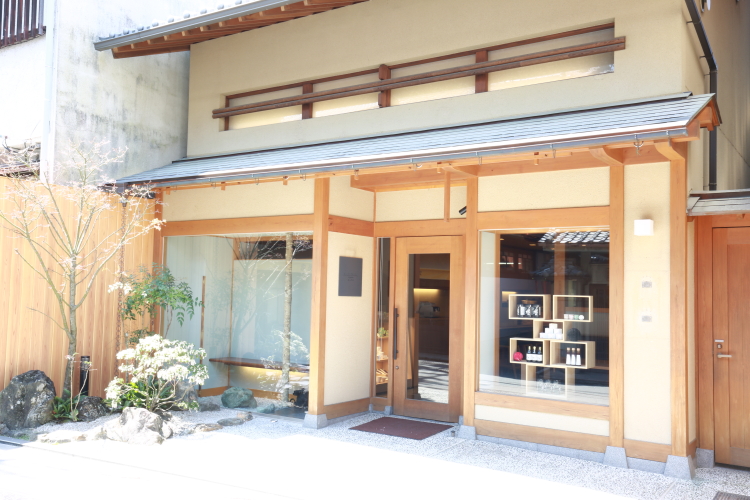
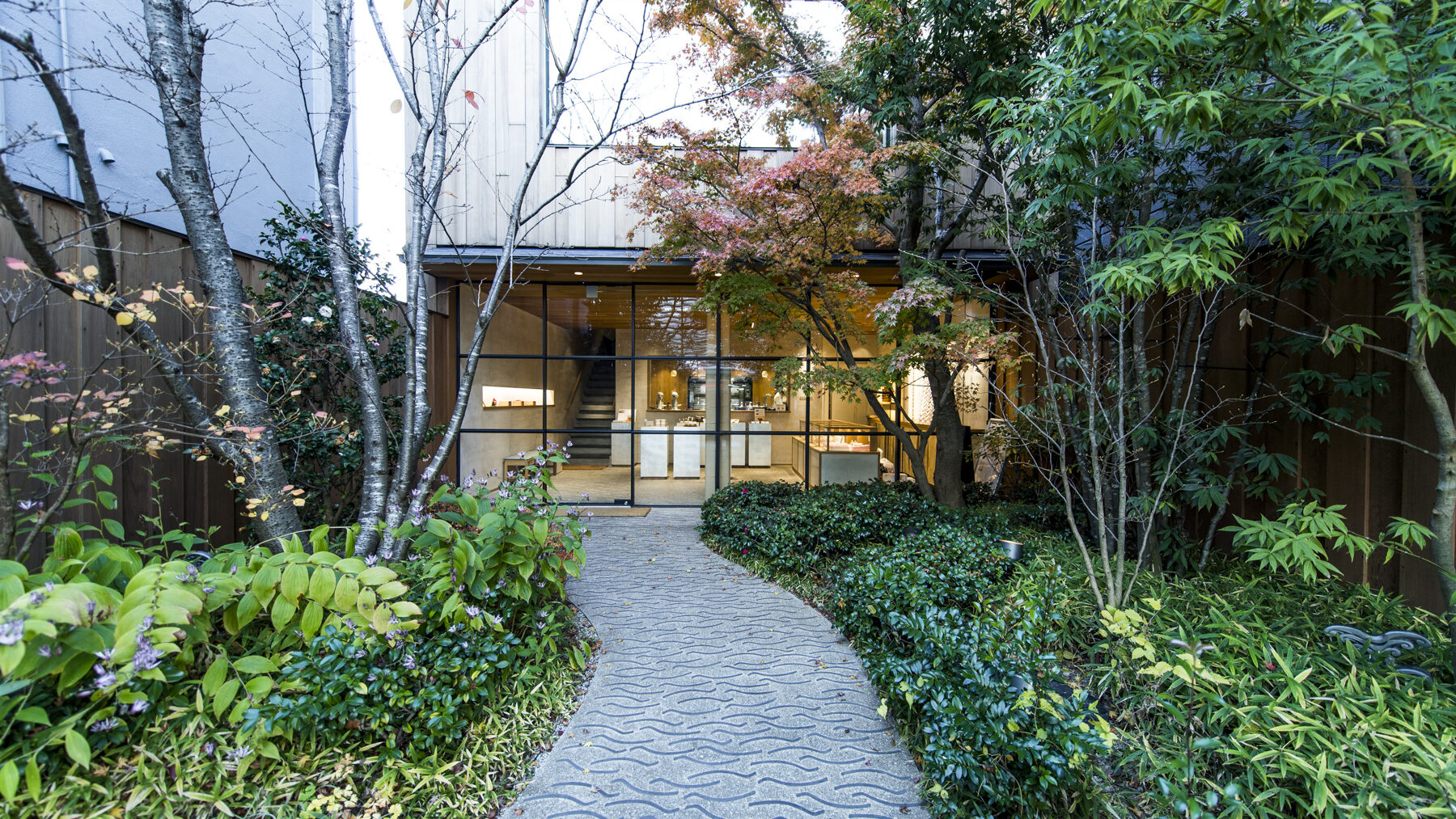
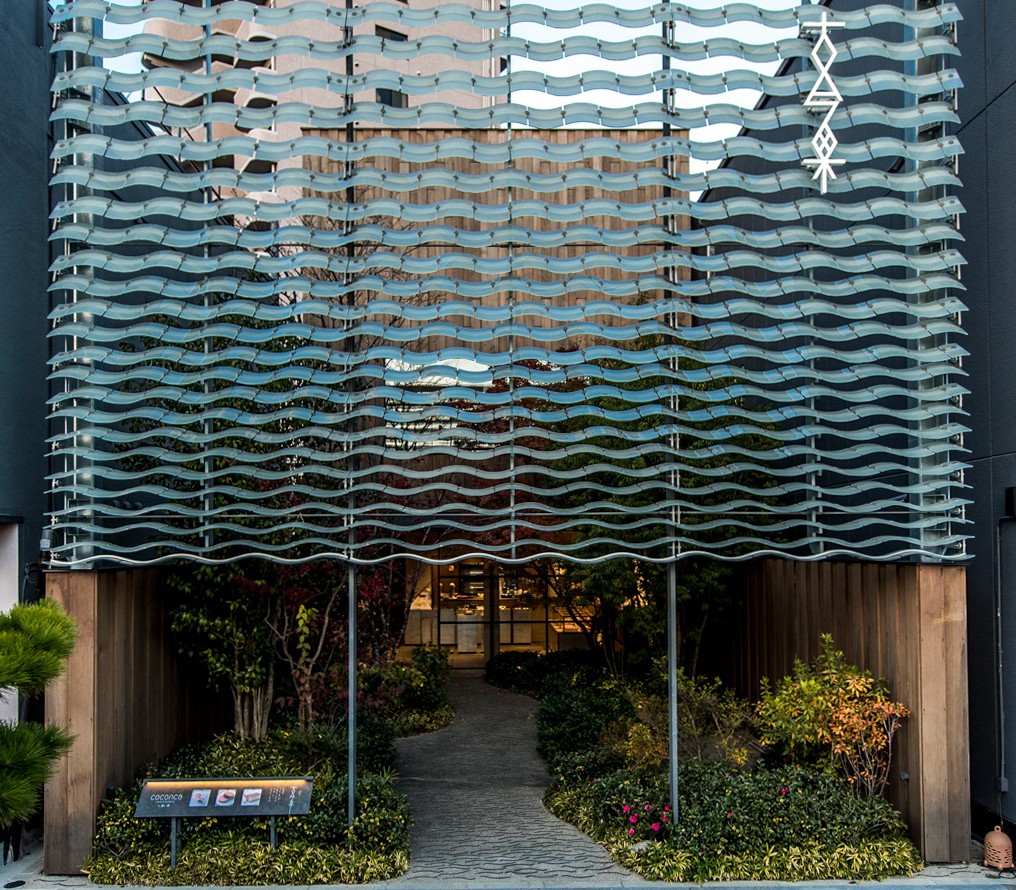
On the lively street connecting JR Miyajimaguchi Station and the ferry terminal, if you happen to spot a green garden... follow that path. Tucked away behind the trees, a patisserie stands quietly.
It's a patisserie and cafe that creates sweets transcending the boundaries of Japanese and Western styles.
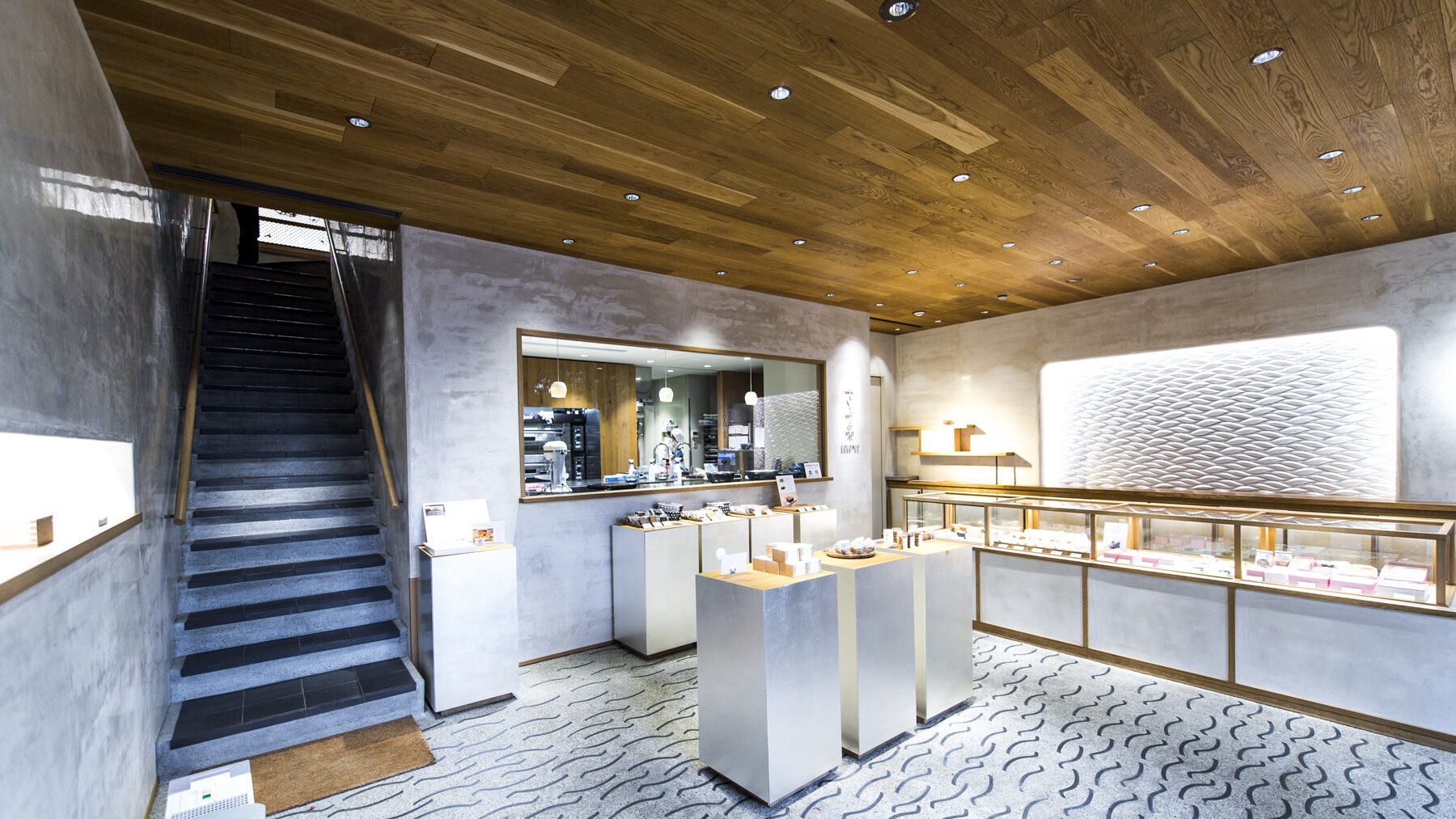
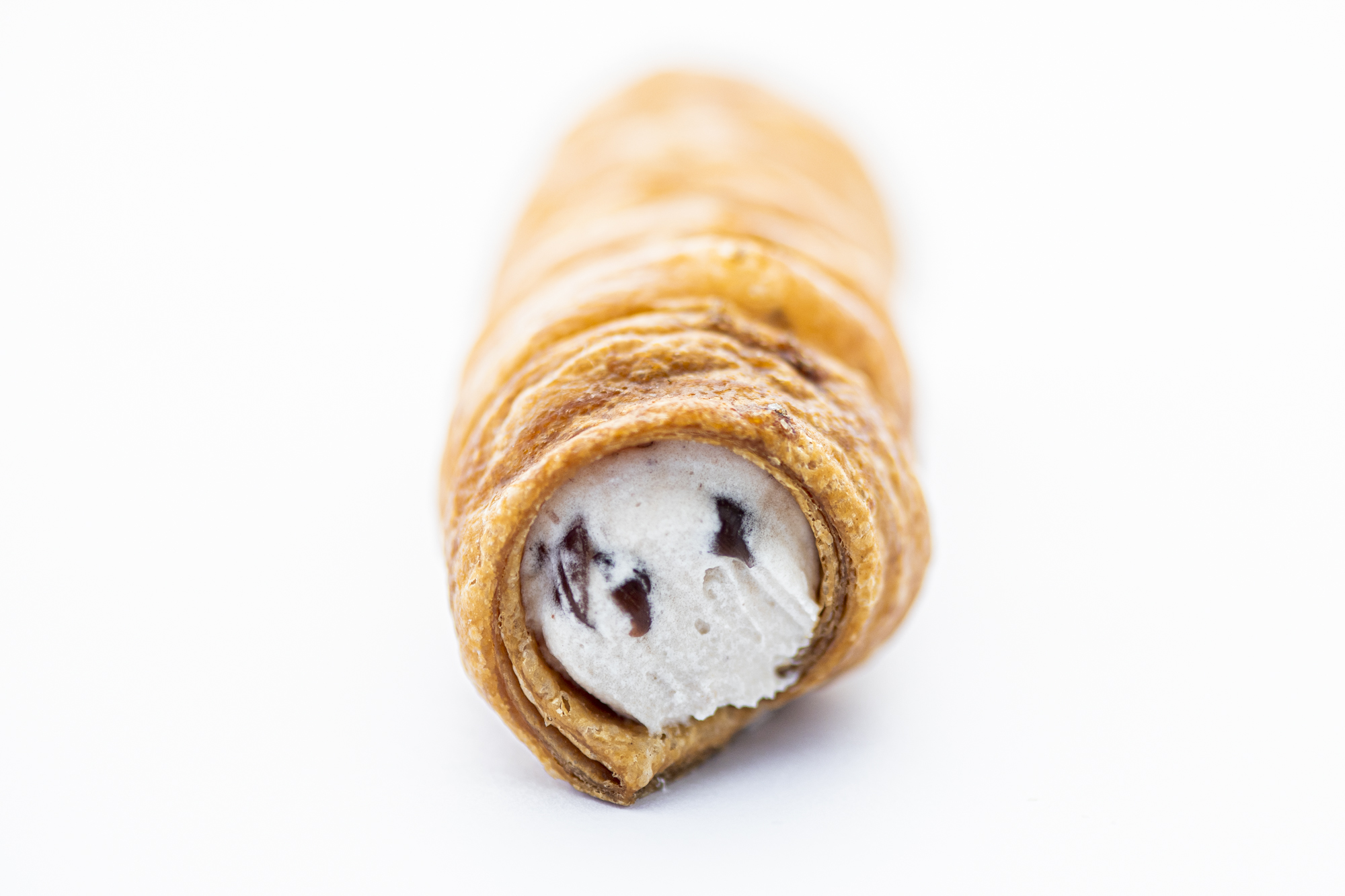
Inside, you'll find an array of traditional and modern Japanese and Western sweets, such as the caramel-scented "An Sablé" and the "An Cornet" with crispy pie dough filled with anko (red bean paste) and cream.
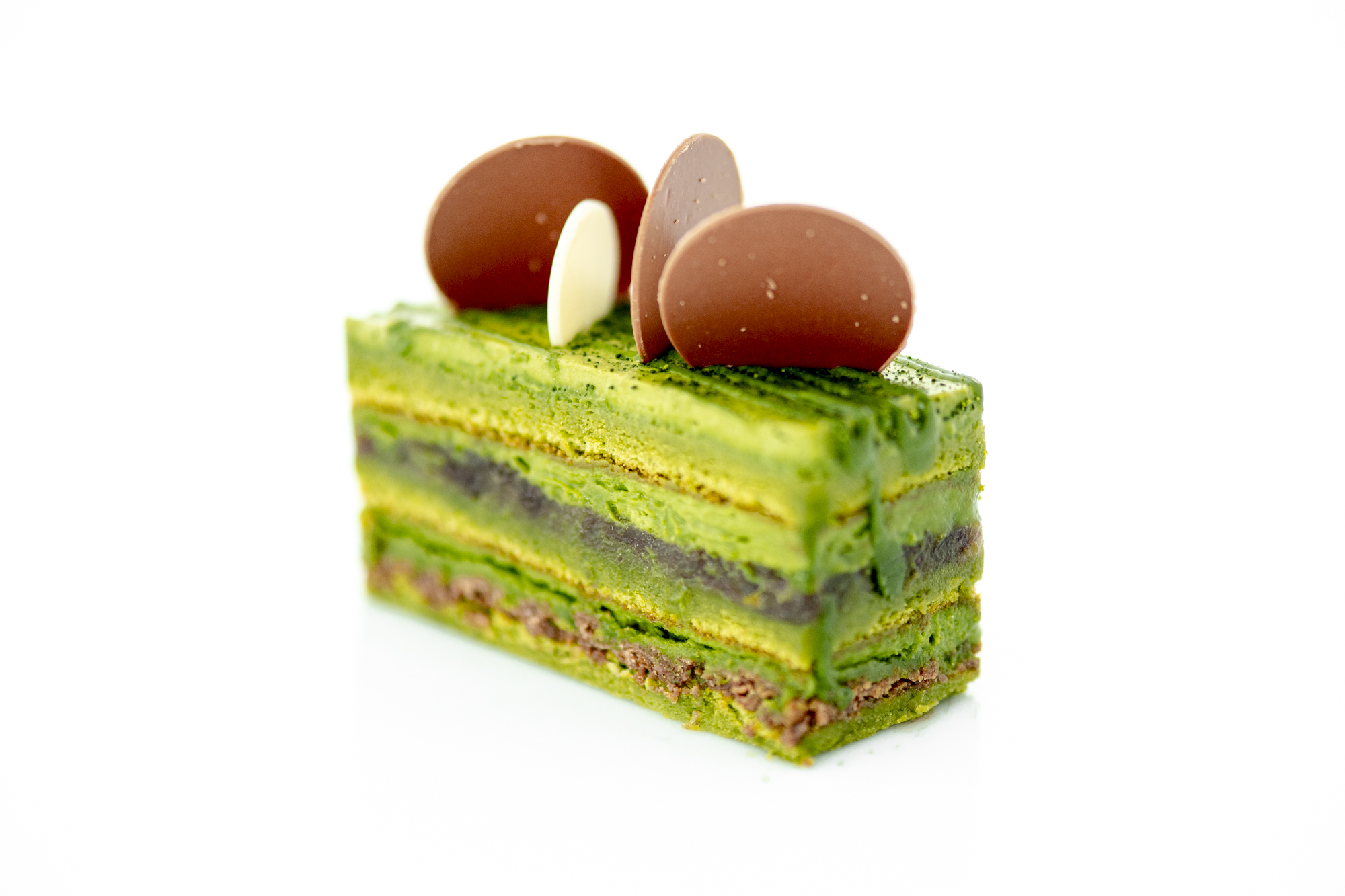
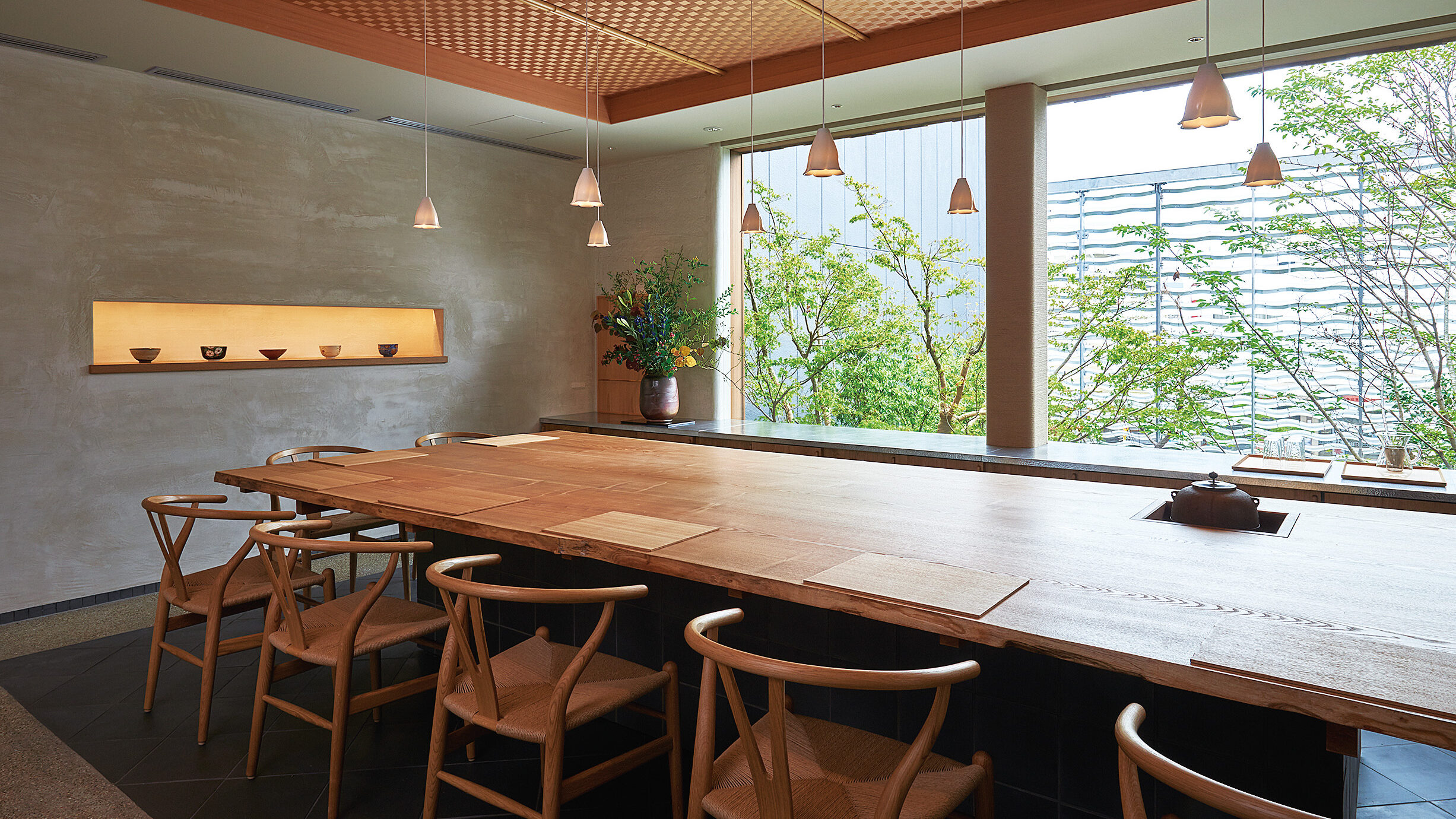
The fresh sweets, generously using seasonal fruits, are so vibrant and colorful they'll captivate you. And it's not just the sweets; the elaborately designed interior and the garden visible through the panoramic glass windows are also beautifully picturesque.
A serene and comfortable cafe space that gently soothes your travel fatigue.
When you want to take a breather, head to the cafe on the second floor. Choose your sweets and drinks on the first floor, then ascend the stairs.
The spacious cafe area is a truly luxurious space, blending Japanese aesthetics with classic chairs by Nordic designers. The tea ceremony bowls and kettles displayed, along with lamps crafted by artists, also delight the eye as art.
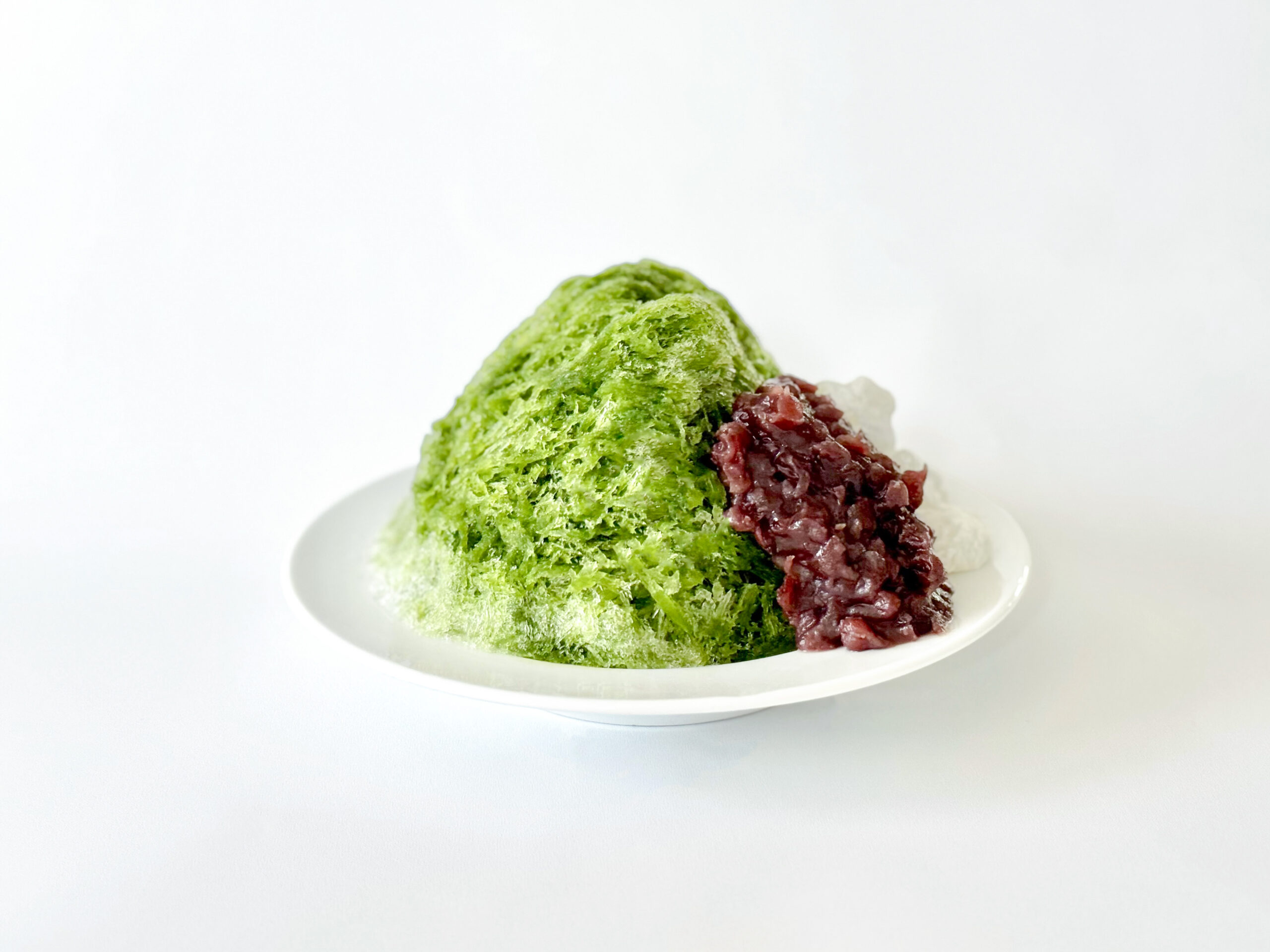
Each drink, such as Mariage Frères tea and lemon floats made with freshly squeezed Hiroshima lemons, is meticulously prepared. The shaved ice, available in summer, is a masterpiece you'll want to enjoy every year.
Spending time gazing at the trees through the large windows, you might just lose track of time...
Japanese and Western sweets with new flavors born from traditional anko (red bean paste) making.
'COCONCA' is produced by 'Fujiiya,' a Momiji Manju shop with a hundred years of tradition. It is said to embody the wish to 'allow people to enjoy anko (red bean paste) even more deliciously.'
These 'Japanese and Western sweets' are crafted with meticulous attention to ingredients and traditional techniques. Together with the beautiful architecture and interior, you can enjoy a truly special time.
【DATA】 ■COCONCA Main Store Address: 1-12-5 Miyajimaguchi, Hatsukaichi City TEL: 0829-20-5670 Opening Hours: 1F Store 10:00-17:30 2F Cafe 10:00-17:30 (Last Order 16:30)
How the Hiroshima Specialty “Momiji Manju” Was Born! What Are the Roots of This Classic Souvenir, Loved for Over 100 Years in Miyajima? / Iwaso, Takatsudo
What comes to mind when you think of "Hiroshima souvenirs"? Okonomiyaki, oysters, lemons... there are many options, but perhaps "Momiji Manju" is still an essential one. This time, we will introduce the birth story of Momiji Manju, an episode you'll want to share with someone once you know it.
The commitment of the proprietress of a long-established ryokan The "spirit of hospitality" behind its birth
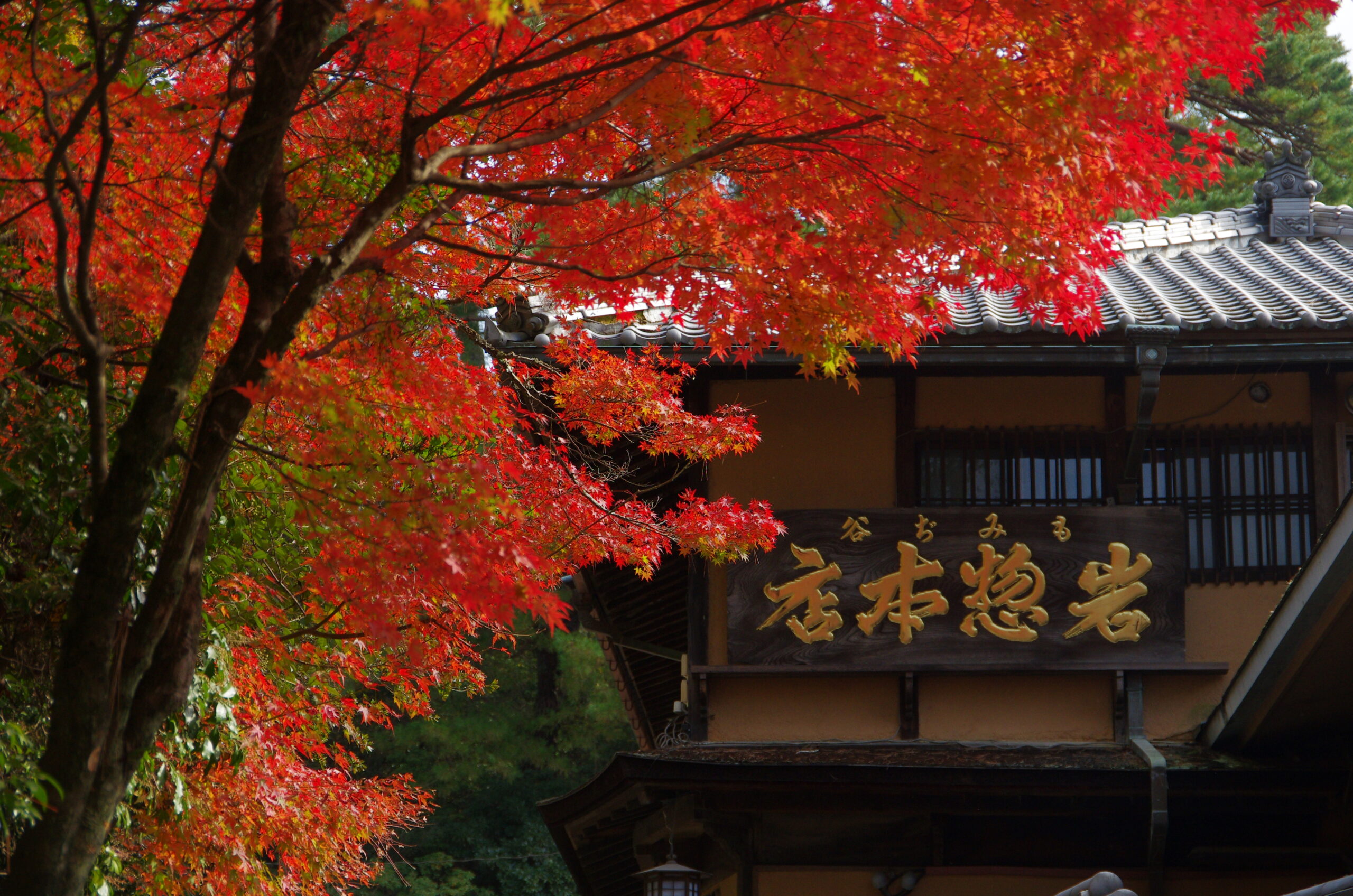
Momiji Manju was born in the Meiji era, over 100 years ago. It began when Hirobumi Ito, Japan's first Prime Minister, who was staying at Iwaso, a long-established ryokan at the entrance of Momijidani (Maple Valley) in Miyajima, saw the hands of a teahouse girl and jokingly said, "Your hands are as cute as maple leaves; they'd be delicious if baked and eaten." The proprietress, who overheard the joke, is said to have consulted with Tsunesuke Takatsu, the first owner of Takatsudo and a wagashi craftsman, saying, "I want to offer a tea cake suitable for the name of this Momijidani to our important guests." This is considered to be its origin.
Incorporating the most advanced Western confectionery techniques of the time The prototype of Momiji Manju, "Momiji-shaped Baked Manju"
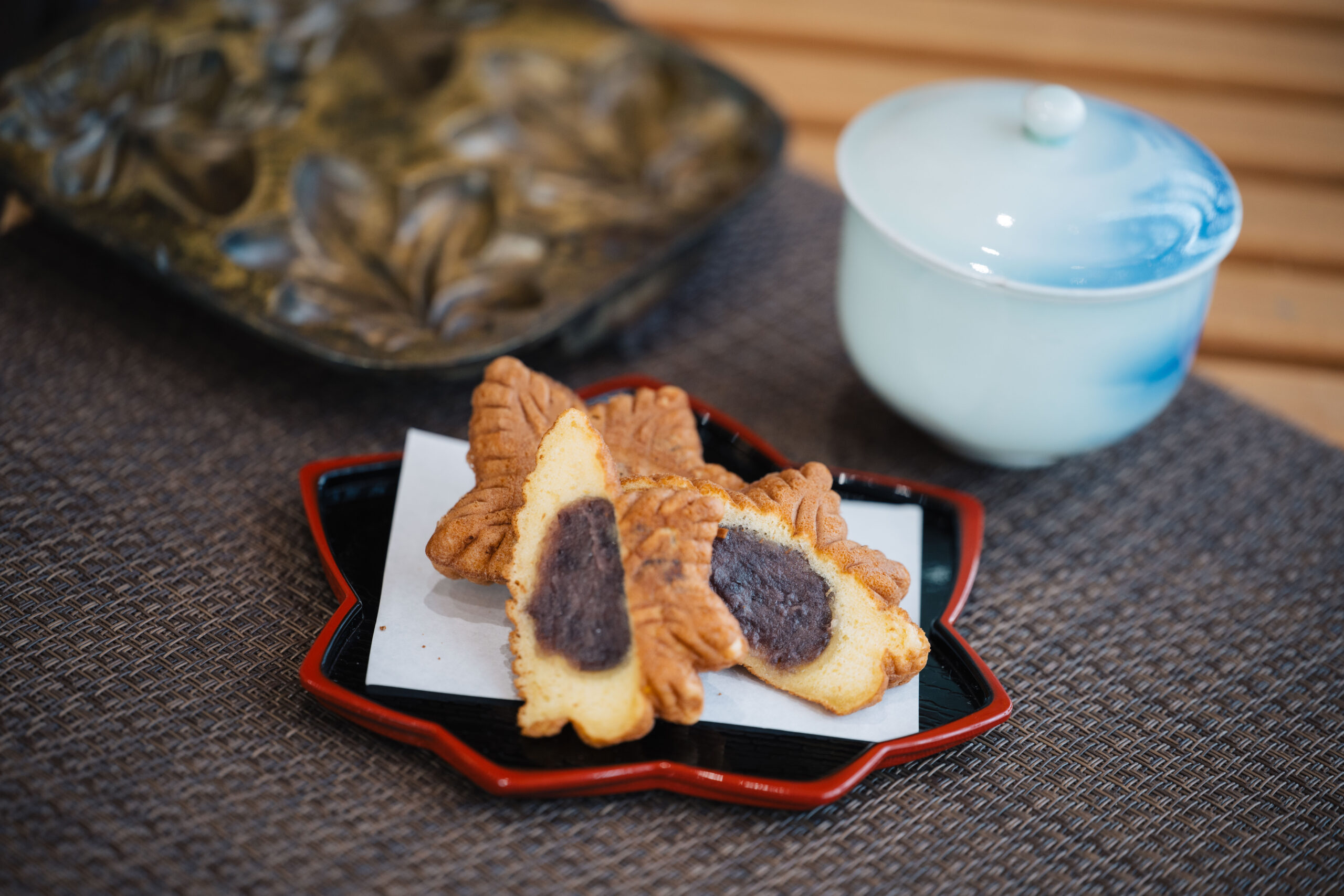
Takatsu, who received the consultation, underwent repeated trial and error and finally completed the "Momiji-shaped Baked Manju," which realistically reproduced beautiful maple leaves and became the prototype of today's Momiji Manju. Although named "manju," its skin is actually a fluffy castella-style dough. The most advanced Western confectionery techniques of the time were incorporated, stemming from the craftsman's kindness to ensure it wouldn't harden while being taken home as a souvenir. This was the beginning of the Momiji Manju known by everyone today.
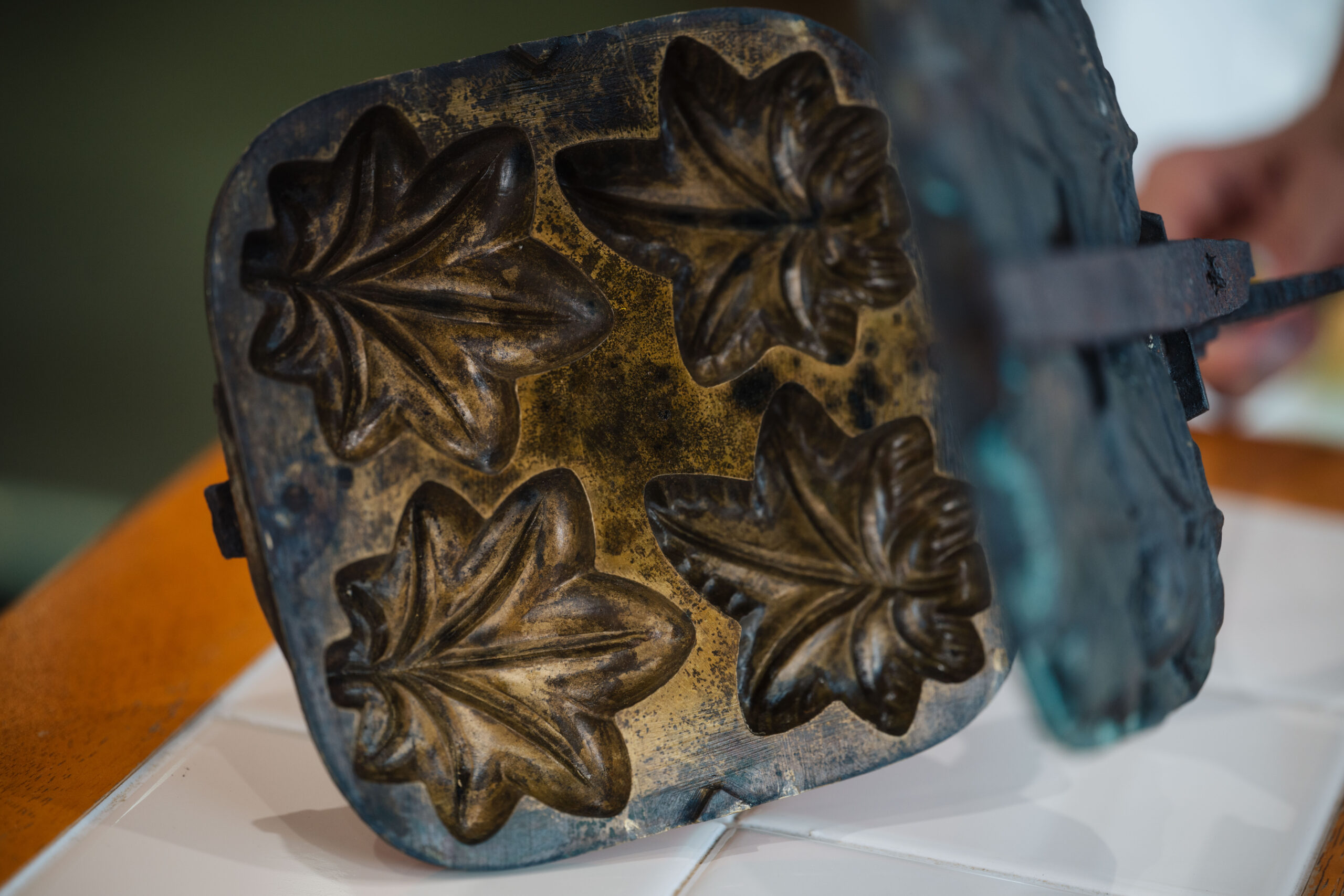
The mold devised and developed by Tsunesuke Takatsu, the first owner of Takatsudo
From Meiji, Taisho, Showa, Heisei... to Reiwa Momiji Manju undergoes great evolution through the ages
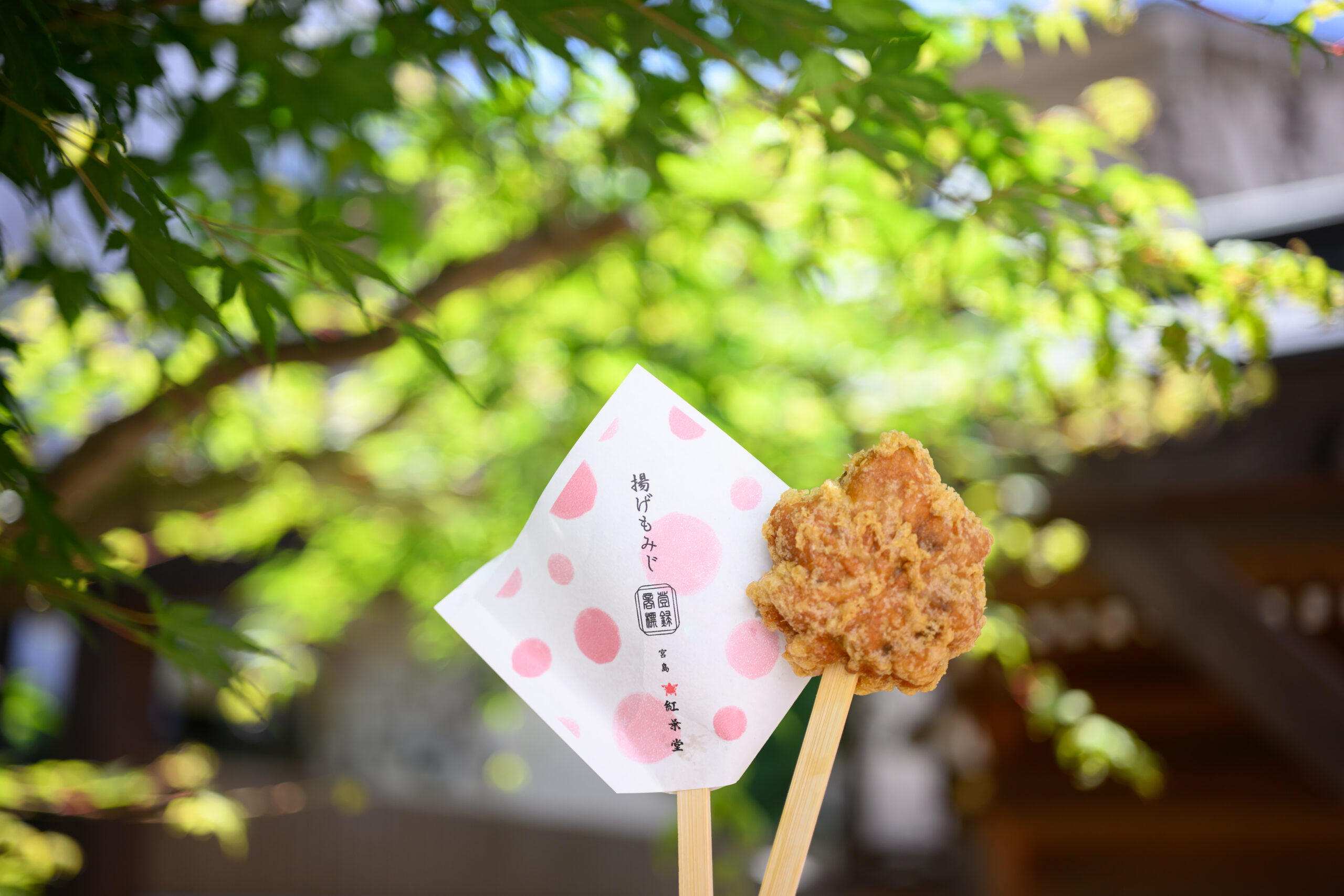
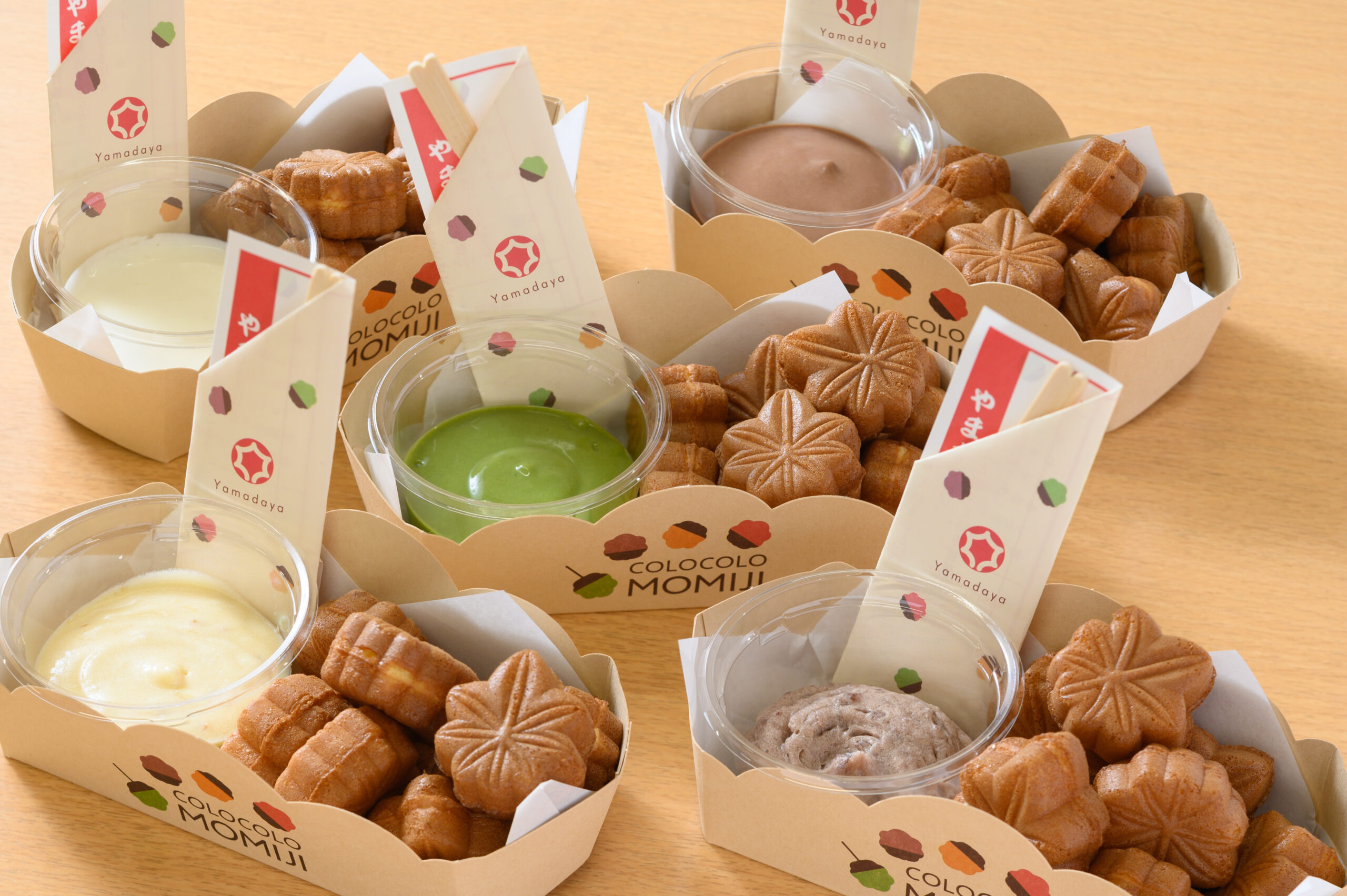
Nowadays, in addition to the classic red bean paste, a variety of flavors such as chocolate, custard, and cheese have also appeared. Furthermore, its variations are expanding even further, including deep-fried versions, those enjoyed with a dip, and new-sense Momiji Manju made with croissant dough. Momiji Manju has grown beyond the realm of "souvenir wagashi" to become a Miyajima specialty that continues to evolve by incorporating the needs of the times. Momiji Manju, which inherits the "spirit of hospitality" born over 100 years ago. Please try it, while reflecting on its history and story.
【DATA】 Takatsudo Address / 2-6-25 Miyajimaguchi Nishi, Hatsukaichi City Business Hours / 8:00 - 18:00 Closed / Open year-round
Iwaso Address / 345-1 Minamimachi, Miyajima-cho, Hatsukaichi City
I need a break. I decided “Today I’ll do nothing,” crossed the sea, and rested my wings at a scenic cafe in Miyajima.
My days were a mess, both personally and professionally, and my fatigue had reached its peak.
Both my shoulders were as stiff as rocks, my breathing was shallow and irregular, and my fingertips were cold.
I n e e d a b r e a k────.
Normally, I'd grab a paperback and head straight for bed, but sometimes when I'm tired but feel like I could still move, I venture out alone.
───I'm going somewhere far.
───I'm crossing the sea.
And so, I decided to go to Miyajima. Even though it's in the same city as my home, the ferry ride makes it feel like a distant escape.
Actually, there was a particular shop I'd learned about through work that I'd always wanted to visit in my private time.
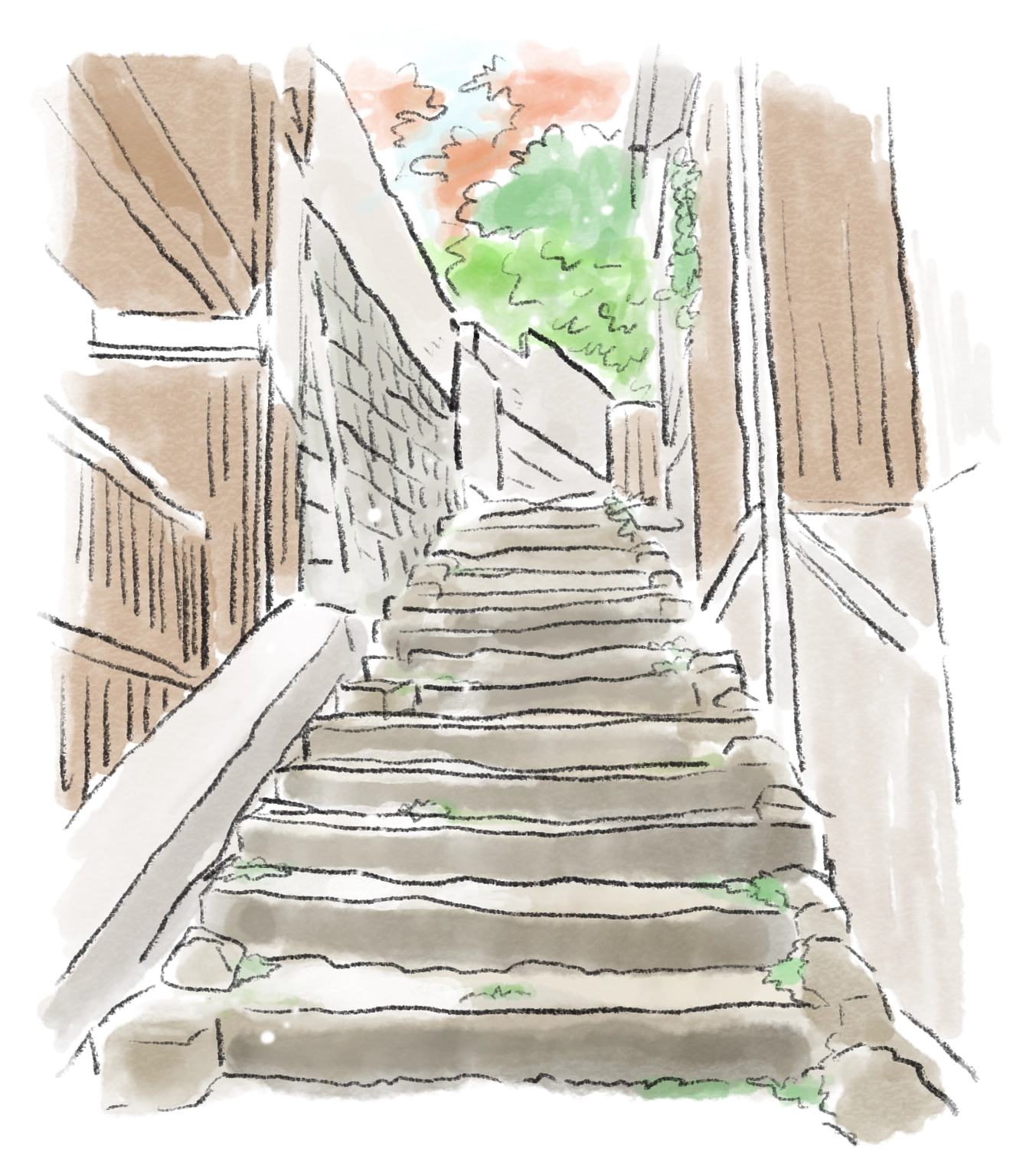
From Miyajima Pier, I made my way through the bustling Omotesando shopping street, turned into a narrow alley, and then climbed an even narrower set of stairs. Beyond that point, there were no people and no signs, so if you didn't know the exact location, you could easily get lost.
My breath grew a little short on the slightly steep stairs, and just as I began to worry, 'Am I even going the right way?', I finally reached the shop.
It was 'Tenshinkaku,' the scenic cafe run by Itsukiko Coffee, a coffee shop in Miyajima.
I passed through a small gate and entered the cafe, which was a renovated old folk house. Inside, it was a simple yet stylish cafe. The pricing system here is a little unusual: there's an admission fee of 550 yen per adult. In return, a cup of coffee is an affordable 110 yen, and once you've paid the admission fee, you can linger as long as you like, adding more drinks or cakes.
It's the perfect spot for people like me who declare, 'Today, I'm doing absolutely nothing.'
Above all, the view from the wooden deck terrace is magnificent.
There's no fence obstructing the view, allowing you to gaze out over the sea and greenery surrounding Itsukushima Shrine, as well as the Five-Storied Pagoda and Senjokaku, both popular tourist attractions.
While it is indeed a spectacular view, it's not so much a panorama as it is a slightly secluded, perfectly framed view of the cove, which gives it a wonderful 'locals know' or 'hidden gem' feel.
Several natural trees also grow on the terrace, giving it the ambiance of taking a break on a scenic mountaintop.
Perhaps because it was a weekday, the only other patrons were a foreign couple and one other solo guest, like myself.
The weather was clear, and the view was magnificent; a relaxed, warm atmosphere permeated the air, quiet yet completely free of awkwardness.
───Perfect, perfect.
I settled into a shaded seat overlooking the sea and opened the novel I was reading, while waiting for my ordered coffee.
Occasionally, birdsong echoed in the distance.
When my eyes grew tired, I'd look at the scenery or sip my coffee.
The couple, too, simply gazed at the view, not conversing much.
The other solo guest was reading a paperback, just like me.
No one disturbed anyone, nor did anyone move busily.
Under an unspoken 'let's relax' alliance, a comfortable sense of unity permeated the space.
"Oh."
As the novel approached its climax, I uncovered a certain 'amazing thing' hidden within the story, and a small sound escaped my lips.
───This is incredible.
Excited, I laid the book face down on the wooden table and exhaled slowly.
The calm scenery of the cove before me gently enveloped my unsettled self, caught between the narrative and reality.
Once more, I picked up the paperback, re-tracing the impact of what I'd read.
───They got me~...
I squirmed with delight, all by myself.
Though I didn't make eye contact, I felt an urge to share it with the couple and the other solo guest, as if to say, 'Hey, check this out!'
Chirp, chirp, a bird sang peacefully.
Leaving the shop, I descended the stone steps and once again walked through the bustling shopping street.
My mind was still full of the novel, but then the delicious aroma of sauce wafted from somewhere, making me turn around.
───I'm hungry.
I realized I was breathing deeply.
Skills and Wishes Continuing from the Edo Period – Visiting the Kiln of ‘Miyajima Osunayaki,’ a Traditional Craft Still Passed Down Today / Miyajima Osunayaki Taigendo
The Sacred 'Osuna' Pottery Also Certified as a Traditional Craft of Hiroshima Prefecture
I encountered such a vessel: gentle coloring, motifs characteristic of Miyajima, and when held in the hands, one feels the warmth of the 'earth.' This is 'Miyajima Osunayaki,' one of Hiroshima's representative traditional crafts.
'Osuna' refers to the sand from Itsukushima Shrine, a World Heritage site. The sacred 'Osuna' from beneath the main shrine is mixed with clay after being blessed and then fired.
It is said to have originated in the Edo period, in Aki Province, from the custom of using the sand from beneath Itsukushima Shrine's main hall as a charm for safe travels.
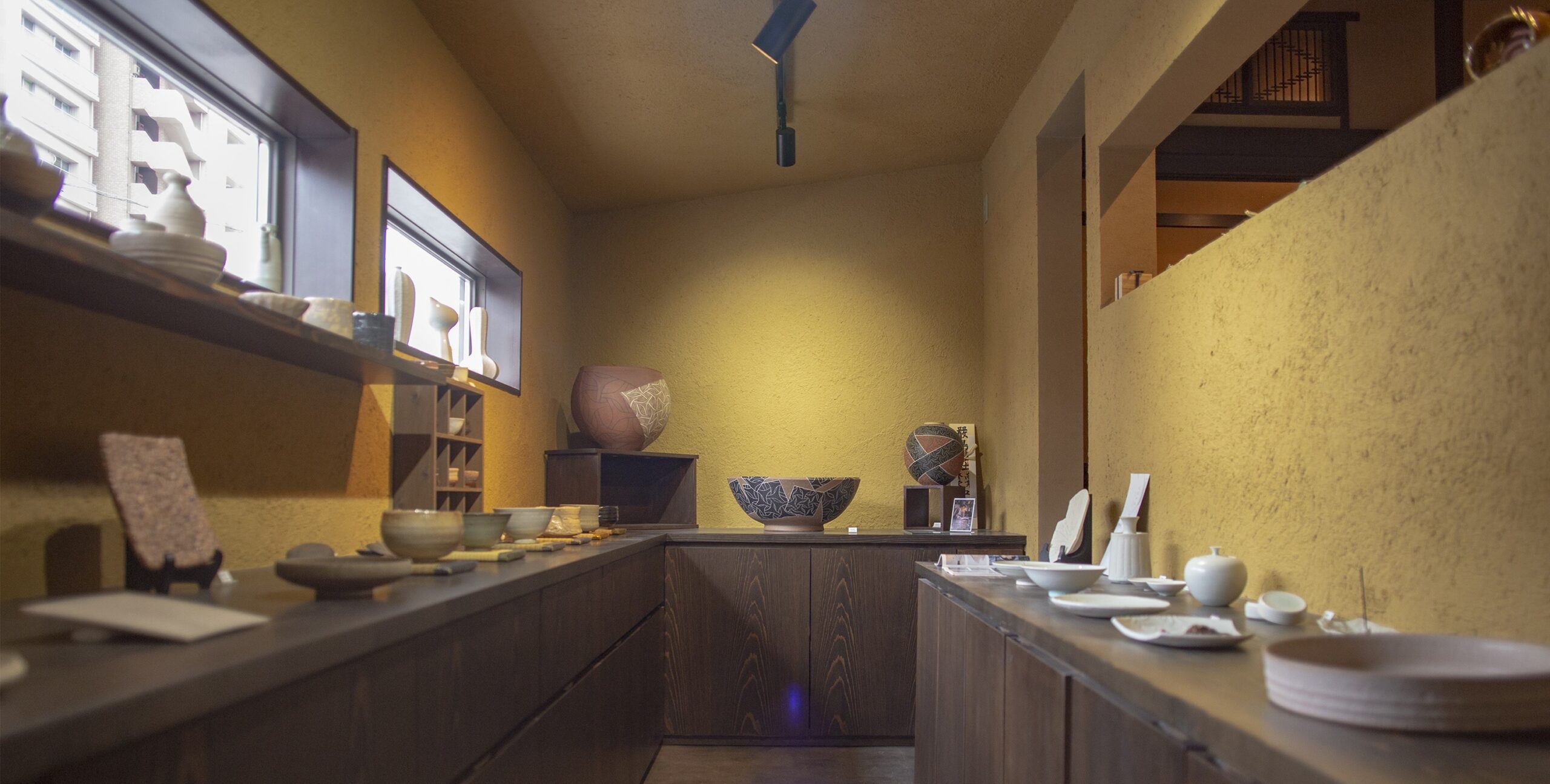
Miyajima Osunayaki Taigendo is a kiln that continues to preserve its tradition as an 'Official Kiln for Itsukushima Shrine.' Many works, including ritual implements for Itsukushima Shrine, are produced in their workshop.
Works that Embody Human Wishes Praying for Safe Travels and Peace
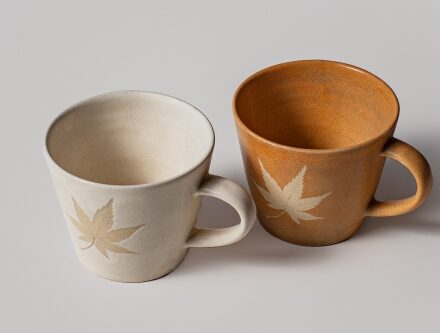
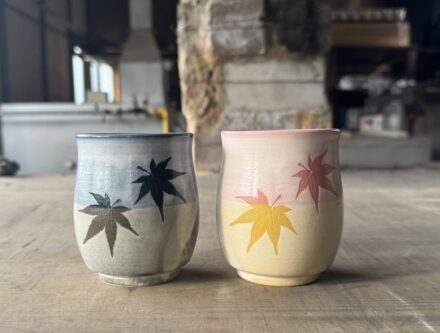
The 'Momiji Mon' (Maple Leaf Crest) series, designed by carefully attaching each maple leaf, has warm colors and a distinct Miyajima flavor. It is said to be popular as a souvenir for travelers or as a good luck charm celebrating new beginnings.
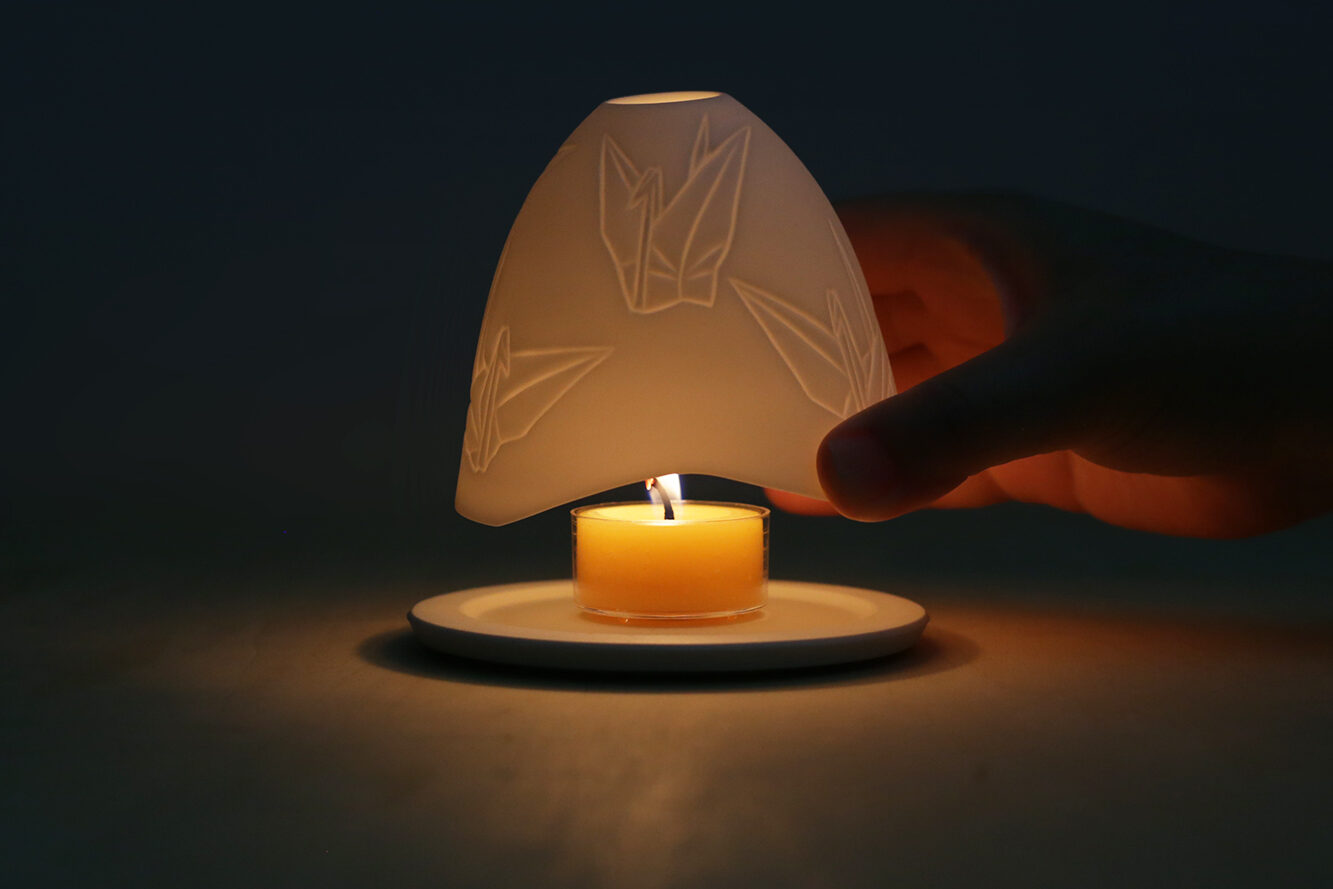
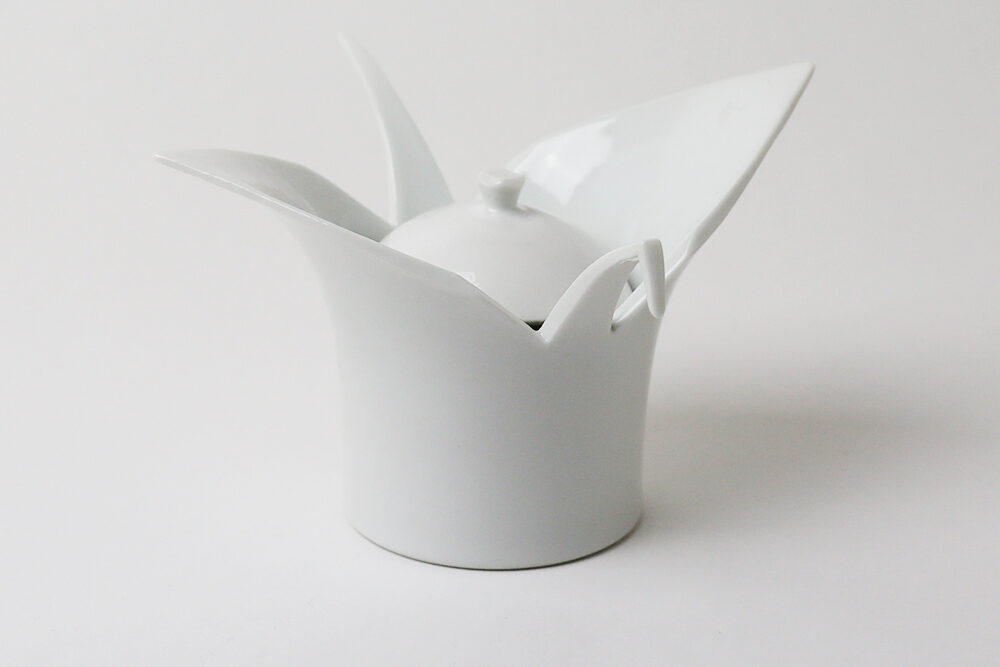
Works such as the 'Orizuru Lamp Akari' and 'Orizuru Incense Burner Inori,' which feature folded cranes as their motif, are imbued with wishes for peace.
The thousand paper cranes offered to the 'Children's Peace Monument' in Peace Memorial Park are cremated by Daishoin, Miyajima's oldest temple, and their ashes are used as glaze.
The 'Orizuru Lamp' was presented to President Zelensky during former Prime Minister Kishida's visit to Ukraine. It was also presented to all leaders by the Mayor of Hatsukaichi at the G7 Hiroshima Summit.
A Kiln Built Near Miyajimaguchi Station Maintaining Tradition Since its Founding
Miyajima Osunayaki is imbued with wishes for 'safety and well-being' continuing from the Edo period, and prayers for 'peace.' Why not take your time to appreciate it at the shop and gallery attached to Taigendo?
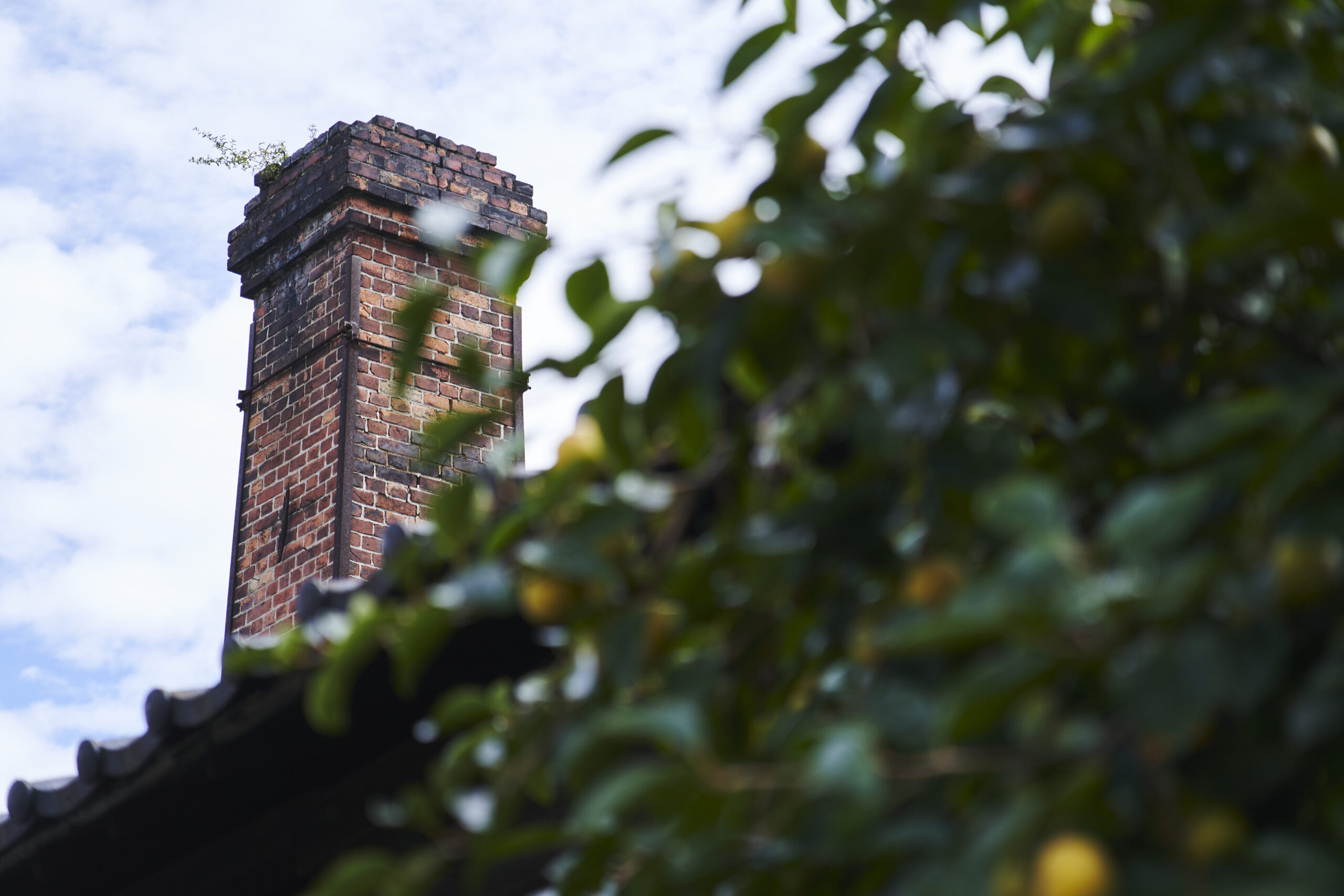
The location is about a 3-minute walk from JR Miyajimaguchi Station. With its tall brick chimney, the building evokes the continuous passion of the kiln owners passed down through generations and a sense of history. It was also a setting for the movie 'Don't Call it Mystery.'
Inside the store, you can also experience pottery painting. Taking up a brush with a 'wish' in mind could become a wonderful travel memory (you can also sketch with a pencil).
【DATA】 ■Miyajima Osunayaki Taigendo Address: 1-3-39 Miyajimaguchi, Hatsukaichi City TEL: 0829-56-0027 Hours: 10:30 - 17:30 (Painting experience reception is from 10:30 - 15:00) Closed: Wednesdays (Please check the business calendar for details)
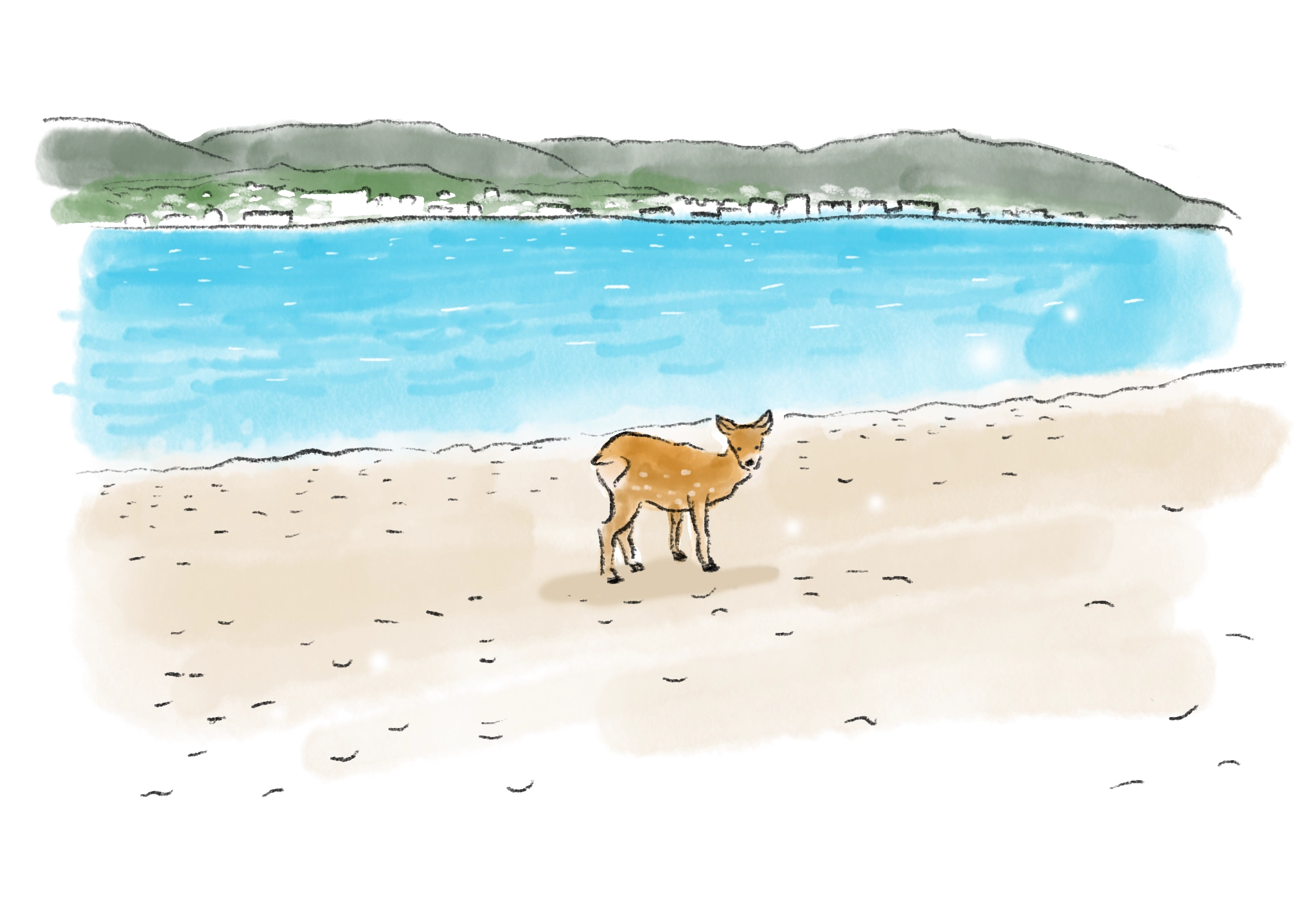
Deer leisurely walk on the beach, making crunching sounds. A scene of Miyajima that a daughter, visiting from overseas, showed me.
I have a half-Japanese cousin named Phil who lives in England. One day, Phil, his wife Sally, and their two young daughters came to stay with us.
Phil's father is Japanese, and he wanted to show his family their Japanese roots, so it was part of a big trip around Japan, visiting his grandmother's hometown in Ishikawa Prefecture, Tokyo, Osaka, and Hiroshima.
Although he's my cousin, I had only met Phil a few times before, and Sally and the girls were meeting me for the first time.
Despite that, when I heard they were coming to Miyajima, I impulsively said, 'Then you should stay at our place, since Hatsukaichi City is where Miyajima is located.'
Later, my uncle, Phil's father, thanked me, saying, 'It seems they really enjoyed staying in a house where Japanese people actually live. Thank you.' So, my invitation must not have been a mistake.
It must have been a good international experience for our young children too.
Furthermore, I've studied abroad, so my English skills are not a problem.
However, apart from my cousin, I lack the interpersonal skills to casually host a family I'm meeting for the first time.
My husband doesn't speak English, so I, who usually just smile in large gatherings, had to host by myself.
It was a big deal.
I welcomed the day in such a restless state, as if my diaphragm was floating a few centimeters higher than usual.
Not knowing what was appropriate, for dinner, I decided to serve local specialties: oysters pickled in oil, tempura of small sardines, okonomiyaki, karaage, potato salad, and for dessert, kinako dango (soybean flour dumplings) that I ordered from an acquaintance's mochi shop.
It was clearly too much food, and I ended up making Phil feel apologetic, as he choked heavily on the kinako and said, 'Sorry, I don't think we can finish all of this.'
Sally, who is a baby photographer, was such a genuinely kind person and kept encouraging my awkward hosting with a constant smile.
My husband, later, was more surprised by how much I talked – 'I've never seen you talk so much' – than by my British-accented English, which he heard for the first time.
That's how hard I tried.
After dinner, the five preschoolers each started playing, creating a heartwarming chaos.
Eventually, one of the daughters began drawing her travel memories in a sketchbook.
According to Sally, they had visited Hiroshima city, Peace Memorial Park, and in Miyajima, Itsukushima Shrine and Omotesando Shopping Street.
Among them, what left the biggest impression on her daughter was the sight of deer walking on Miyajima's beach.
Indeed, I had always taken it for granted that there are deer in Miyajima, but deer, which are supposed to be in the forest, being on the beach must certainly be a strange sight.
“Amazing... Deer on the beach...”
Singing these words, the daughter first drew a deer.
The deer leisurely walking on the beach was quite well drawn.
Next, she began coloring the blue of the ocean with her pen.
Swish... Swish swish...
Above the ocean, a bright light-blue sky stretched out, and she continued to color that too.
Swish... Swish swish...
Behind me, Sally was getting anxious, asking, 'The pen might go off onto the table, shouldn't we borrow something to put underneath?' But by then, my tension had eased, and I was exhausted, so I just replied, 'It's fine, don't worry about it,' and watched the daughter draw.
I wanted to immerse myself a little longer in the pleasant sound of the pen and the scene of the deer and the beach that the daughter had seen.
A vivid scene unfolded before my eyes, so clear that I could almost hear the crunch, crunch of the deer's hooves stepping on the sand.
As the months passed, the fatigue from that day was completely forgotten, leaving only the enjoyable memories of that time and of the deer on the beach.
The daughter who visited from across the sea made me realize a new charm of Miyajima.
Discover a hidden gem for sightseeing in Miyajima! Visit Daishoin Temple, Miyajima’s oldest temple, about a 10-minute walk from Itsukushima Shrine / Takinokoji Alley, Go-hyaku Rakan, Daishoin
While Itsukushima Shrine and its floating Otorii gate are famous attractions in Miyajima, if you walk west from Itsukushima Shrine, you'll find another scenic spot where time flows peacefully: Daishoin Temple, Miyajima's oldest temple. This time, we'll introduce a walking course where you can fully enjoy the charm of Daishoin, not just by heading straight to the destination, but by strolling through quaint alleys and encountering adorable Jizo statues along the way. Why not enjoy the serene side of Miyajima, a different experience from the bustling Omotesando?
Walk along 'Takinokoji Alley,' an alley full of historical charm, where high-ranking Shinto priests once lived
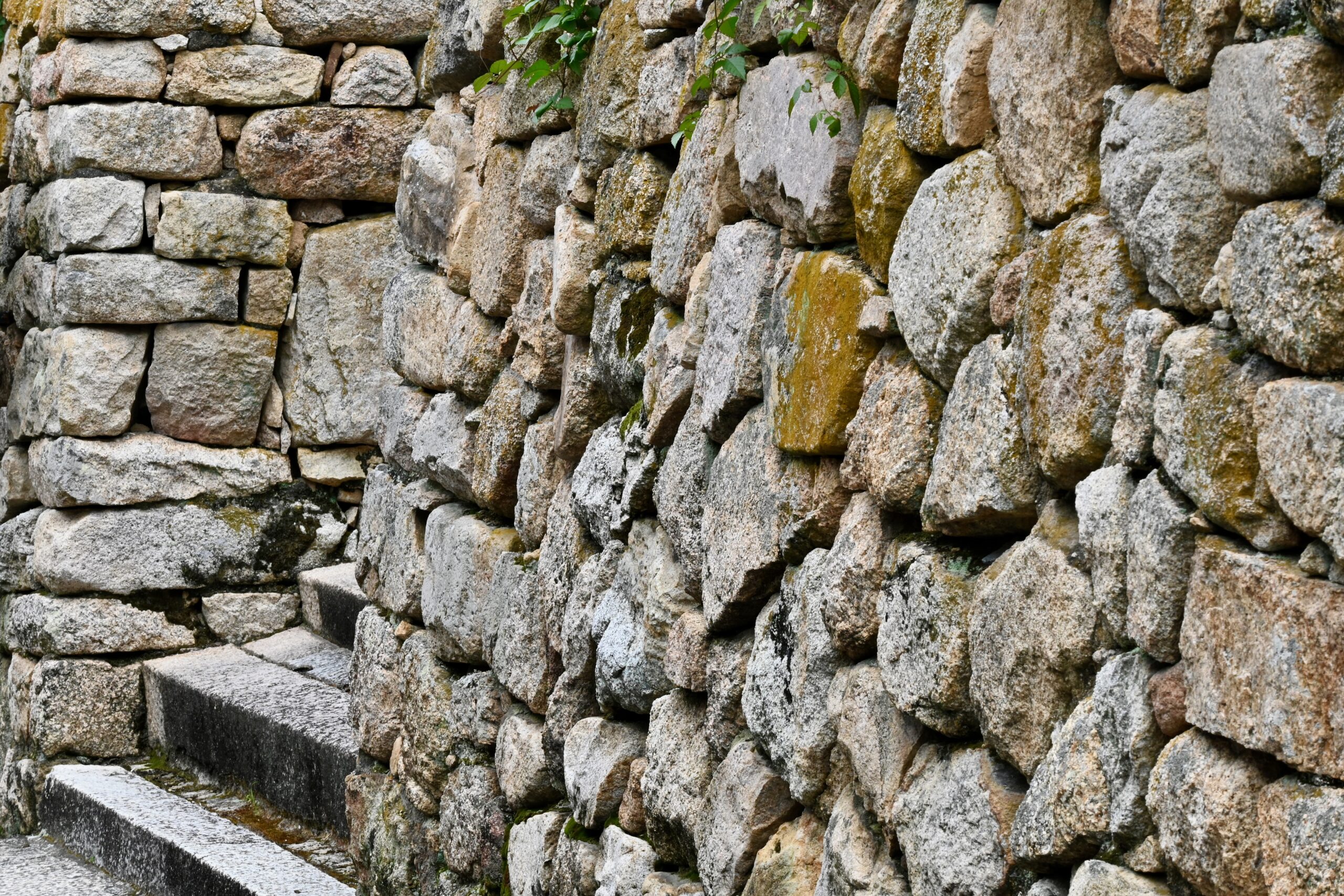
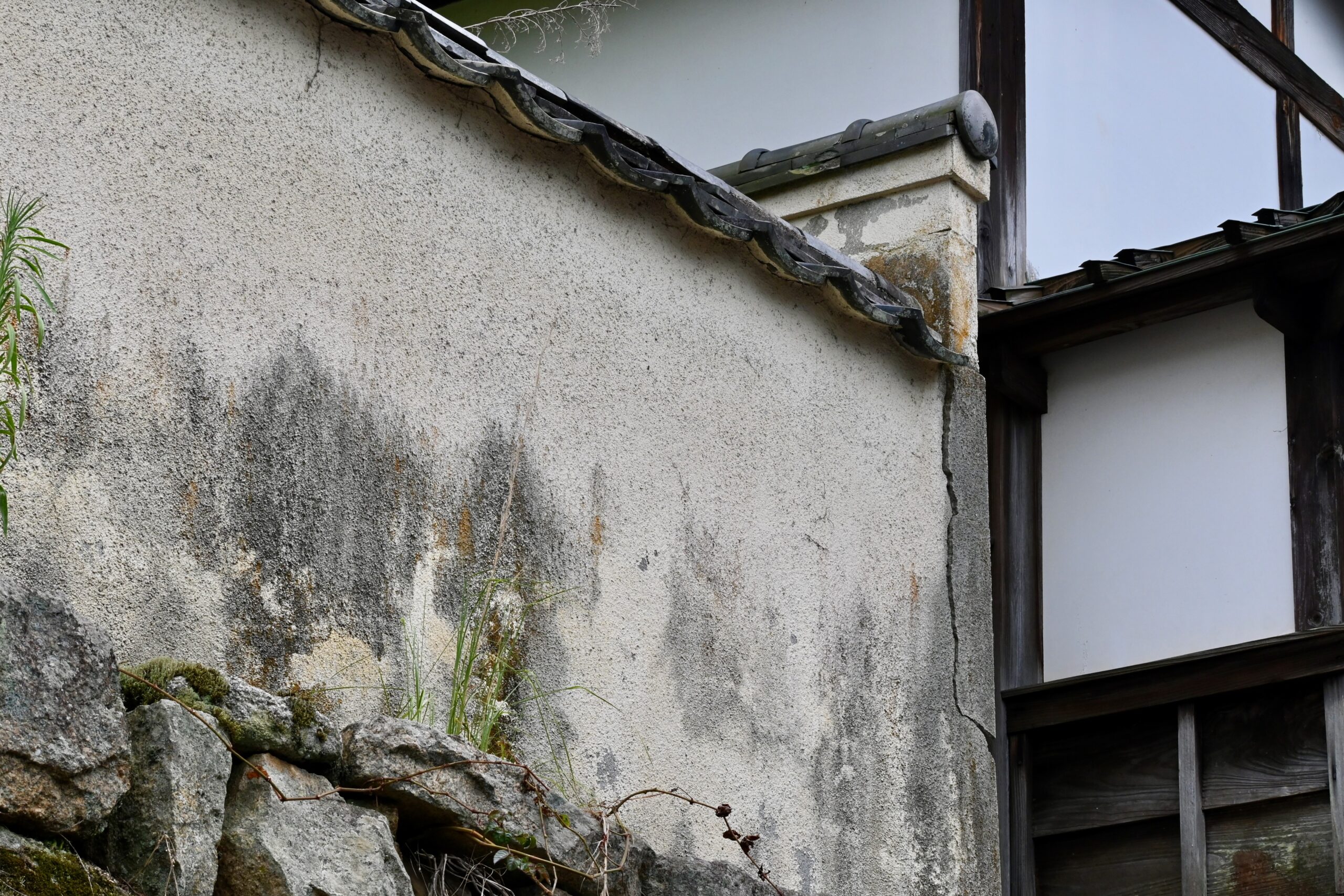
If you're heading to Daishoin, we recommend taking the route through 'Takinokoji Alley,' which extends west from the exit of Itsukushima Shrine. As you step away from the bustling shopping street, you'll find a profound townscape enveloped in tranquility. This area was once a special place where high-ranking Shinto priests serving Itsukushima Shrine resided. In contrast, merchants and artisans lived in the adjacent 'Yanagi Alley,' and it is said that residential areas in Miyajima were divided by social status at the time. In Takinokoji Alley, traditional 'Miyajima-goushi' (Miyajima lattices) townhouses, substantial stone walls, and dignified earthen walls still remain, making you feel as if you've traveled back in time. This area has been designated an 'Important Preservation District for Groups of Traditional Buildings' and is popular as a walking path where you can intimately experience Miyajima's history and culture.
Can you find a Jizo statue that resembles you!? The 'Go-hyaku Rakan' (Five Hundred Arhats) offer healing with their humorous gestures
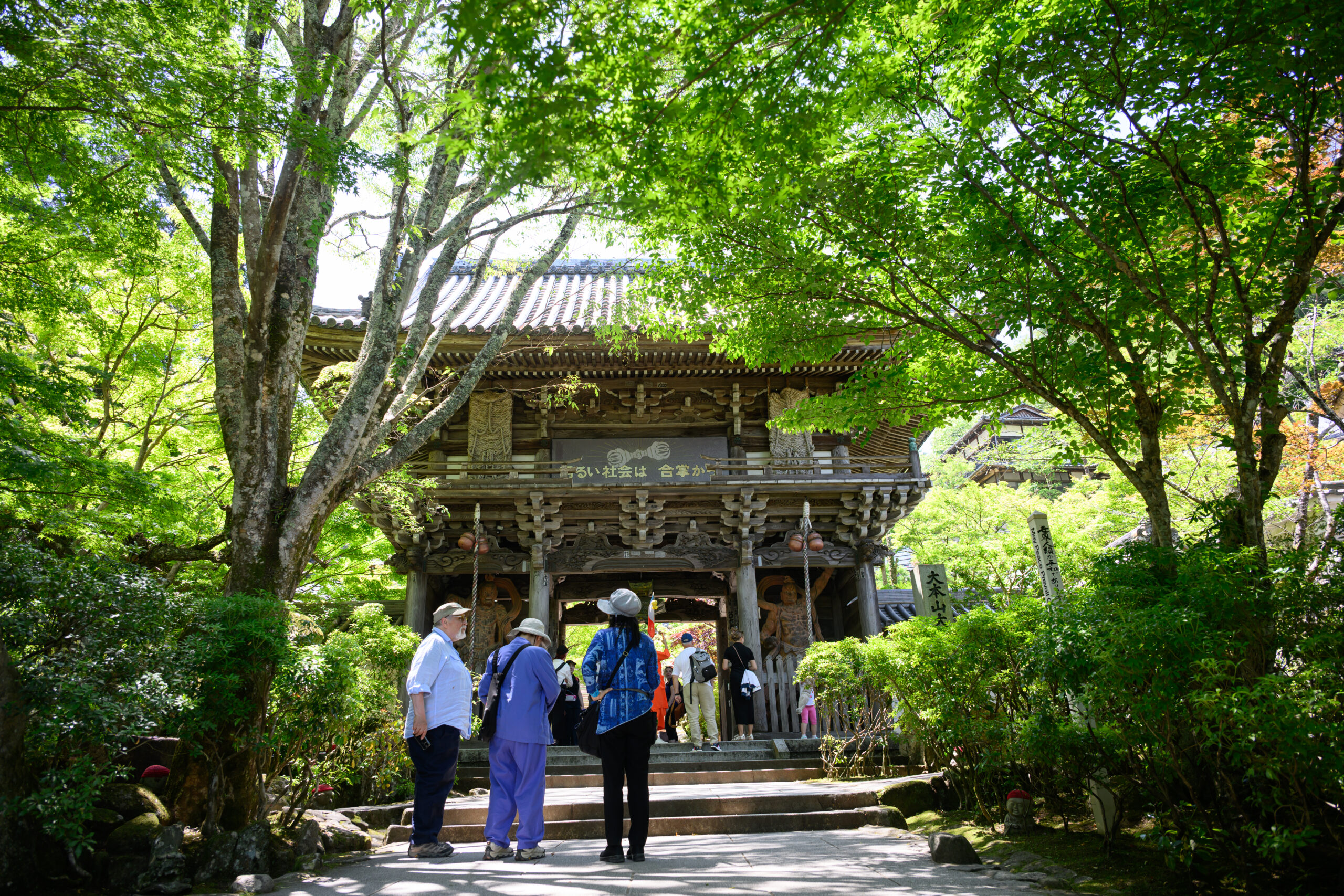
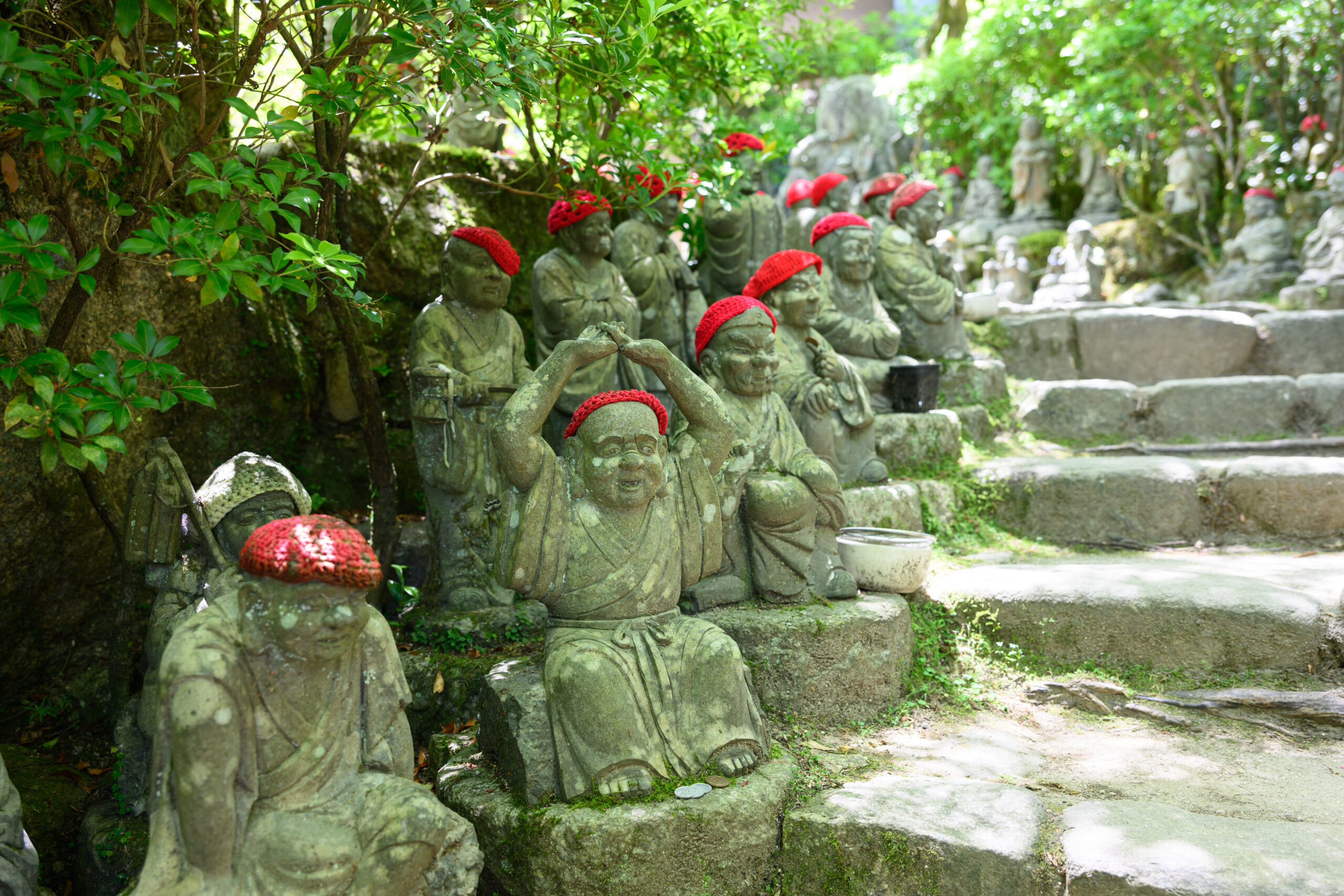
As you proceed through Takinokoji Alley, you'll hear the murmur of the river, and the stone steps leading to Daishoin's main entrance, 'Niomon Gate,' will come into view. Passing through the gate, you'll find a row of Jizo statues called 'Go-hyaku Rakan' lining the stairs, gently welcoming visitors. Their appearance, wearing colorful knitted hats, is striking, and the fact that each one has a different expression is also a charm. Just looking at their figures—some gently smiling, others showing somewhat humorous gestures—naturally soothes the heart. It's also said that 'you're sure to find a Jizo statue that resembles you or your family,' so please try to find your favorite one.
Daishoin Temple, an ancient temple with over 1200 years of history, associated with Kobo Daishi (Kukai)
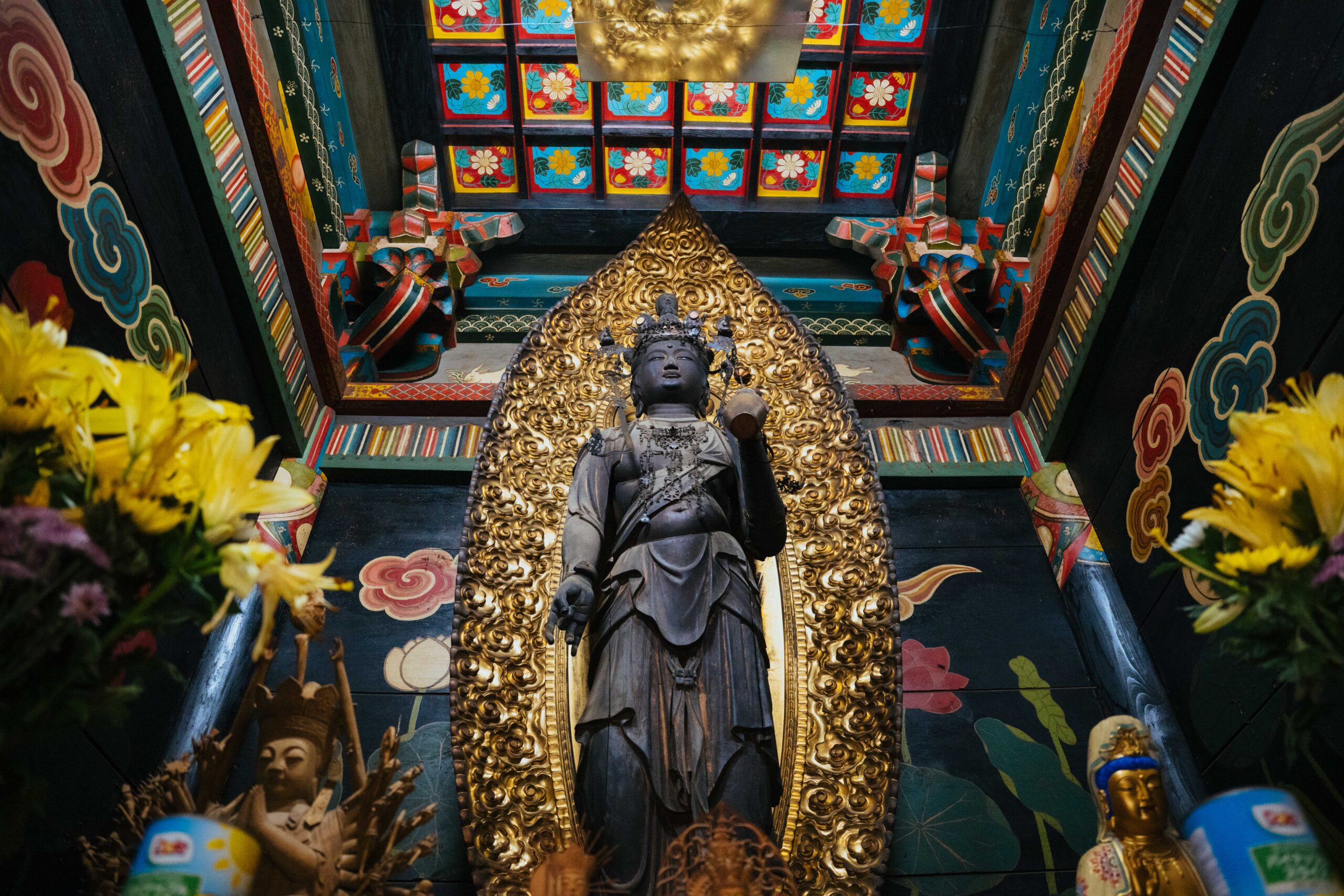
The history of Daishoin Temple dates back over 1200 years to 806 AD. It is Miyajima's oldest temple, said to have been founded by Kobo Daishi (Kukai), who was moved by the sacred peak of 'Mount Misen.' Since then, it has served as a prayer temple for successive emperors, including Emperor Toba, and has deep ties with many historical figures, such as Toyotomi Hideyoshi, who held a poetry gathering here. In fact, until the Meiji era, Daishoin played an important role as the 'Bettouji' (supervising temple) of Itsukushima Shrine. It performed sutra readings dedicated to the shrine, and the shrine and temple together supported the faith. Although it took its current form due to the Shinbutsu Bunri-rei (separation of Shinto and Buddhism decree)*, precious Buddhist statues (such as the Eleven-faced Kannon Bodhisattva) that were once enshrined in the main hall of Itsukushima Shrine are still carefully preserved within the temple grounds. 'Itsukushima Shrine' and 'Daishoin Temple' are two parts of a single sacred site. When visiting Itsukushima Shrine, why not extend your walk a little further and enjoy discovering another charm of Miyajima?
*Shinbutsu Bunri-rei (Separation of Shinto and Buddhism decree): A policy issued by the Meiji government in 1868, prohibiting the custom of Shinbutsu-shugo (syncretism of Shinto and Buddhism) and distinguishing between Shinto and Buddhism, gods and Buddhas, and shrines and temples.
Eleven-faced Kannon Bodhisattva
Miyajima’s Summer Cicadas: Heard but Unseen, Relaxing in the Tall Trees of ‘God’s Island’
The summer in Miyajima is hot.
It's hot, but there are surprisingly many shaded areas under trees and out of the sun, and there's a breeze from the sea, so it's not unbearable.
Thinking so, on August 1st, in the middle of summer, I took my children to Miyajima.
There was an event at Miyajima Public Aquarium where you could get a pair of rhinoceros beetles for free.
To make sure we got the rhinoceros beetles before they ran out, we crossed over to Miyajima first thing in the morning and started walking towards the aquarium.
It takes about 20 minutes to walk to the aquarium even at an adult's pace, so we took our time, leisurely spotting fish in the sea, greeting deer, and drinking juice on benches.
The aquarium is located along the coast, a little distance from the main street's shopping arcade, and surrounded by lush greenery, giving it a slightly cooler feel.
The rhinoceros beetles we were looking for were prepared in large quantities, and we were able to receive them without any problems.
It had been a while since I'd toured the inside of the facility.
By the way, Miyajima Public Aquarium isn't that large in scale, but its exhibits show a great deal of care and are interesting.
Despite being an aquarium, they manage the temperature of the breeding environment so you can see rhinoceros beetles from larva to adult all year round.
On the backyard tour, despite it being an aquarium, we saw many dragonfly larvae like Miyajima dragonflies being bred, and my youngest, who loves insects, was very satisfied.
We also got to pet seals during the interaction experience, and our hands were nibbled by doctor fish at "Hatsukoi-an" in a separate building, which we thoroughly enjoyed.
Now, the problem was the return journey.
Regardless of the children, I no longer had the energy to walk in the heat, so we decided to take the bus back.
However, there aren't many buses, so there was quite a long wait.
The older two said they would play games in the shade, so my youngest and I went for a walk around the area.
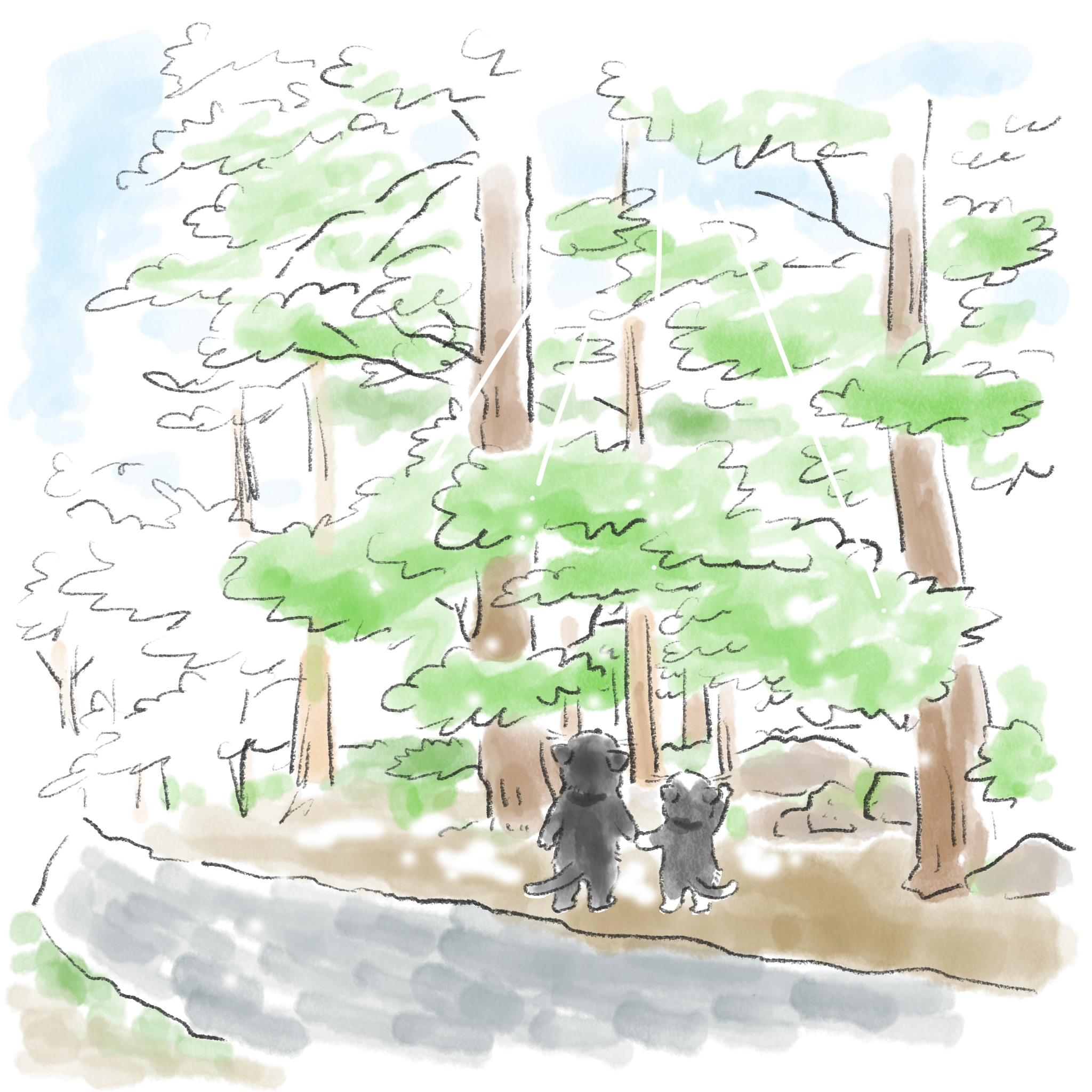
In the deserted, dense grove of trees, the sound of cicadas echoed.
"It's cicadas."
"Yeah. Let's look for cicadas."
But for some reason, we could hear them, but couldn't see them.
With my youngest, I craned my neck 90 degrees and looked up at the trees.
The trees were too tall───.
I've heard that Miyajima is an island of gods, so they don't carelessly cut down trees.
That's why the forest has very rich vegetation, and the tall trees are incredibly high.
It's completely different from the street trees near my house.
The cicadas were calling leisurely high up in the trees, without a shadow or trace.
You can't find us───
Just like that.
Through the gaps in the leaves of the trees we looked up at, the blue sky peeked through.
Seeing that, a memory of catching cicadas at a shrine in Niigata during the summer when I was a child suddenly came back to me.
It was a day we caught many, and when I finally opened the cage, the cicadas all flew up at once and vanished into the sky through the gaps in the leaves.
The trees probably weren't as tall as those in Miyajima, but perhaps they felt very tall because I was a child.
Around us, only the sound of cicadas continued to echo.
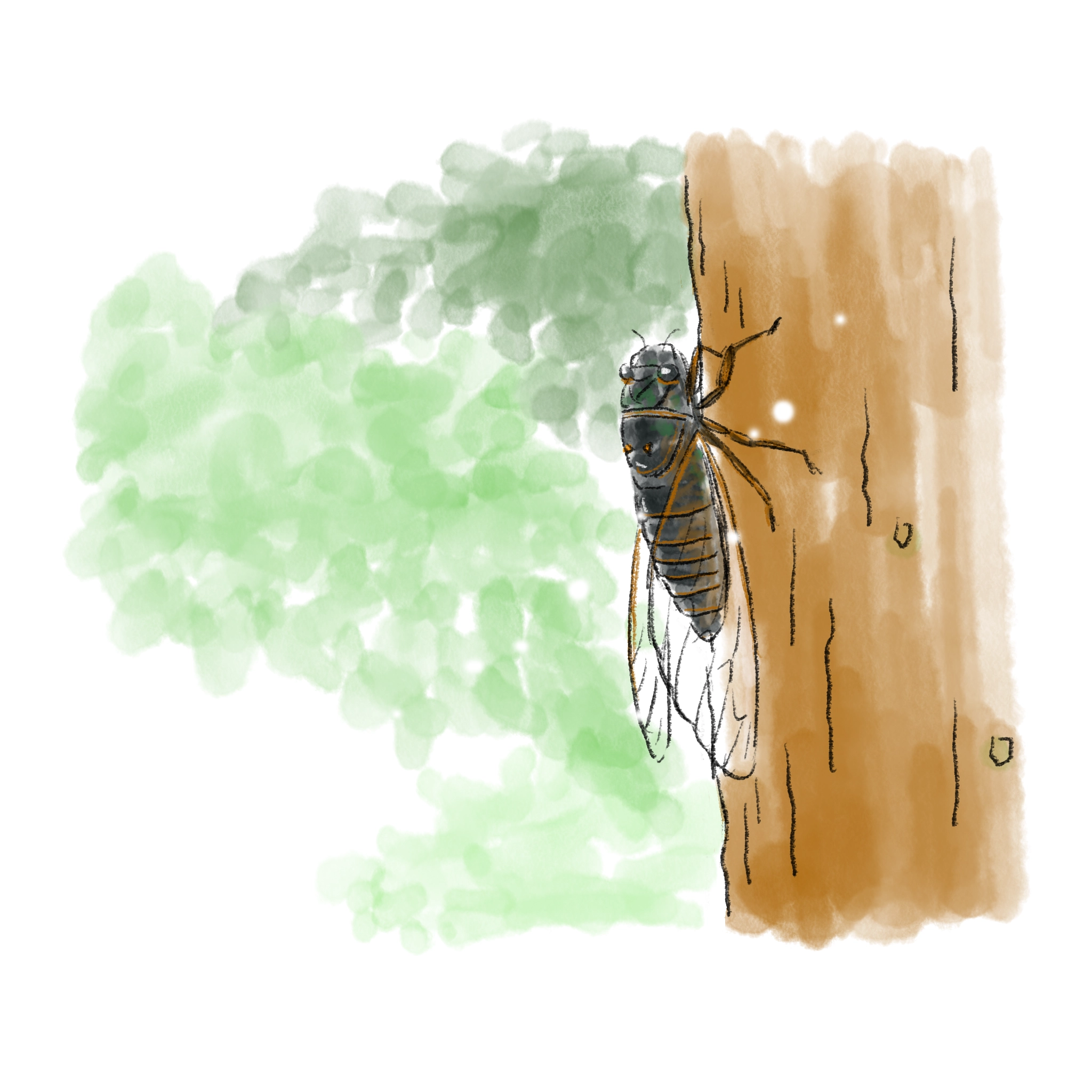
In the end, my youngest, who persevered, spotted a single cicada perched a little lower down.
Unlike the familiar Kumazemi (large brown cicada) or the relatively small Niiniizemi (Platypleura kaempferi), it was quite a small cicada.
I didn't know at the time, but a few years later, according to my youngest, who had grown into a proper young insect expert, the cicada we saw then was "probably a Titchi Cicada."
Apparently, a type of cicada called Haruzemi also sings in Miyajima in spring.
I want to go look for them with my youngest someday.
Why ‘Anagomeshi’ is Loved in Hiroshima: Savoring Miyajima’s Specialty Anagomeshi / Anagomeshi Ueno
Miyajima's Flavor, Nurtured by the Seto Inland Sea
If you're wondering what to eat in Miyajima, 'Anagomeshi' should be at the top of your list. Alongside grilled oysters and Momiji Manju, it is a long-loved flavor of Miyajima.
In fact, the Seto Inland Sea coast has been a famous production area for conger eel since the Edo period. The local gazetteer of the Hiroshima Domain, 'Geihan Tsushi,' records that '...all 阿奈呉 (anago) are produced around this island, and their taste is excellent,' indicating it has been cherished as a delicious fish since ancient times. It is one of Miyajima's gourmet delights that you must try at least once when visiting Miyajima.
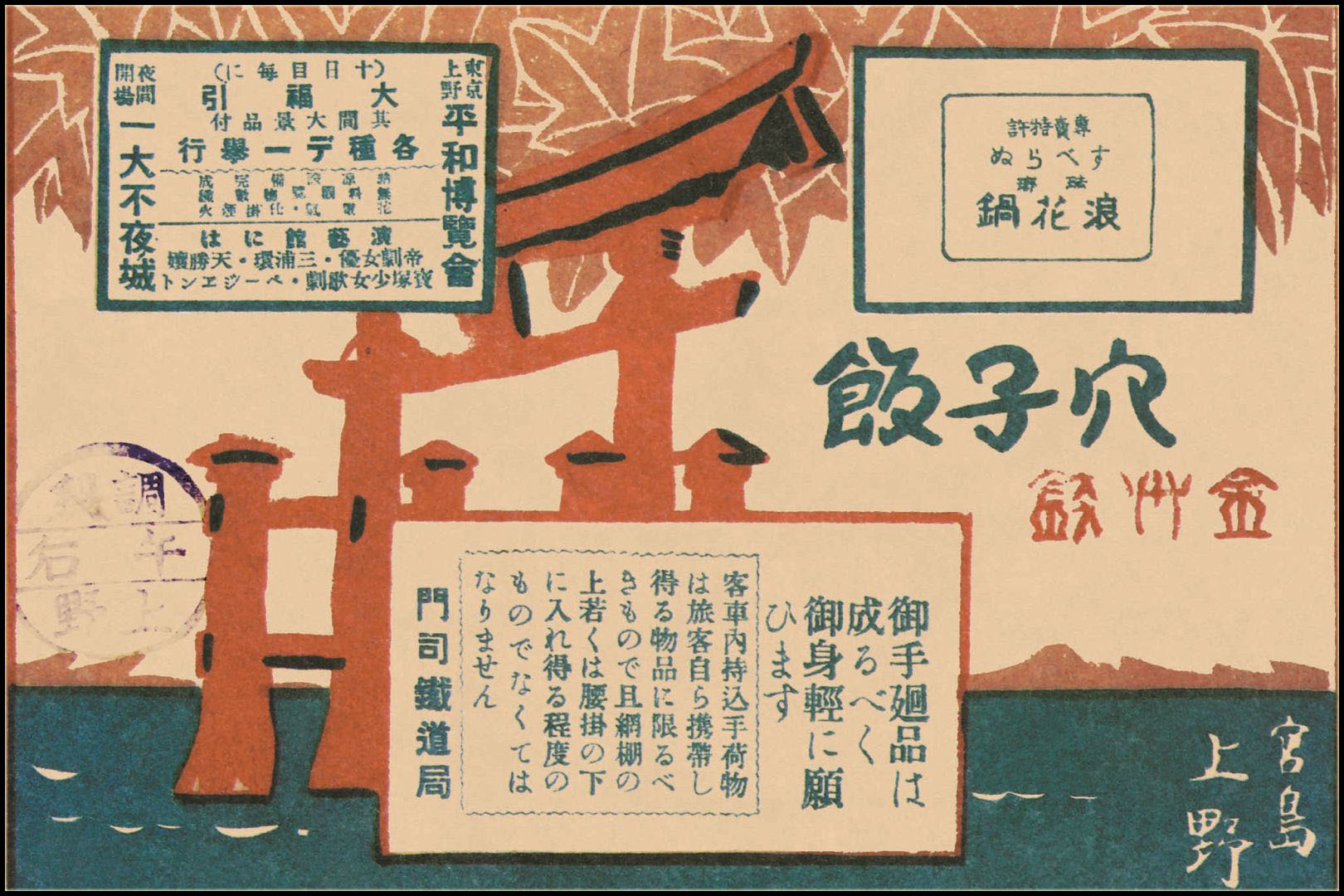
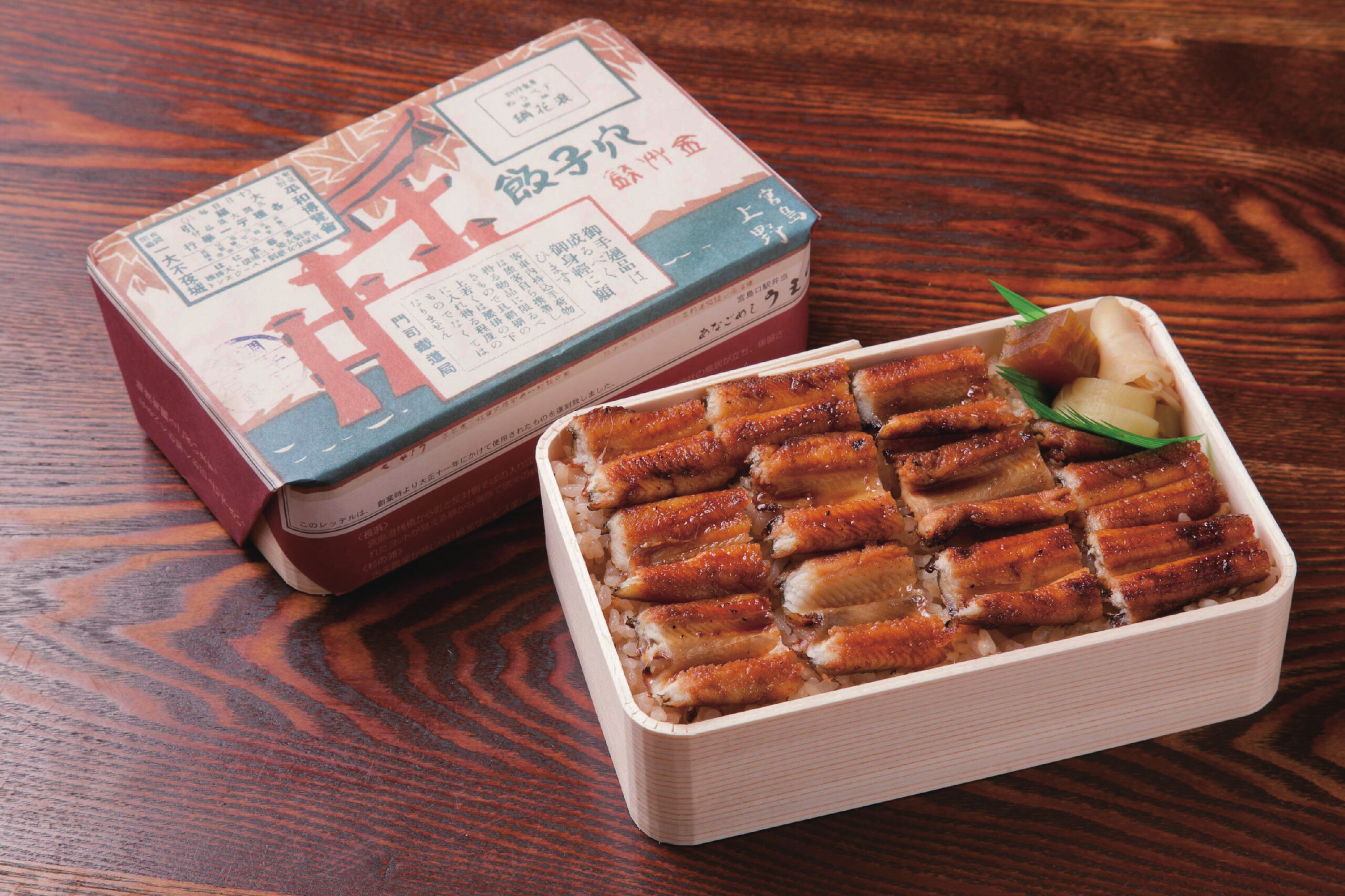
Ekiben label used in the Taisho era
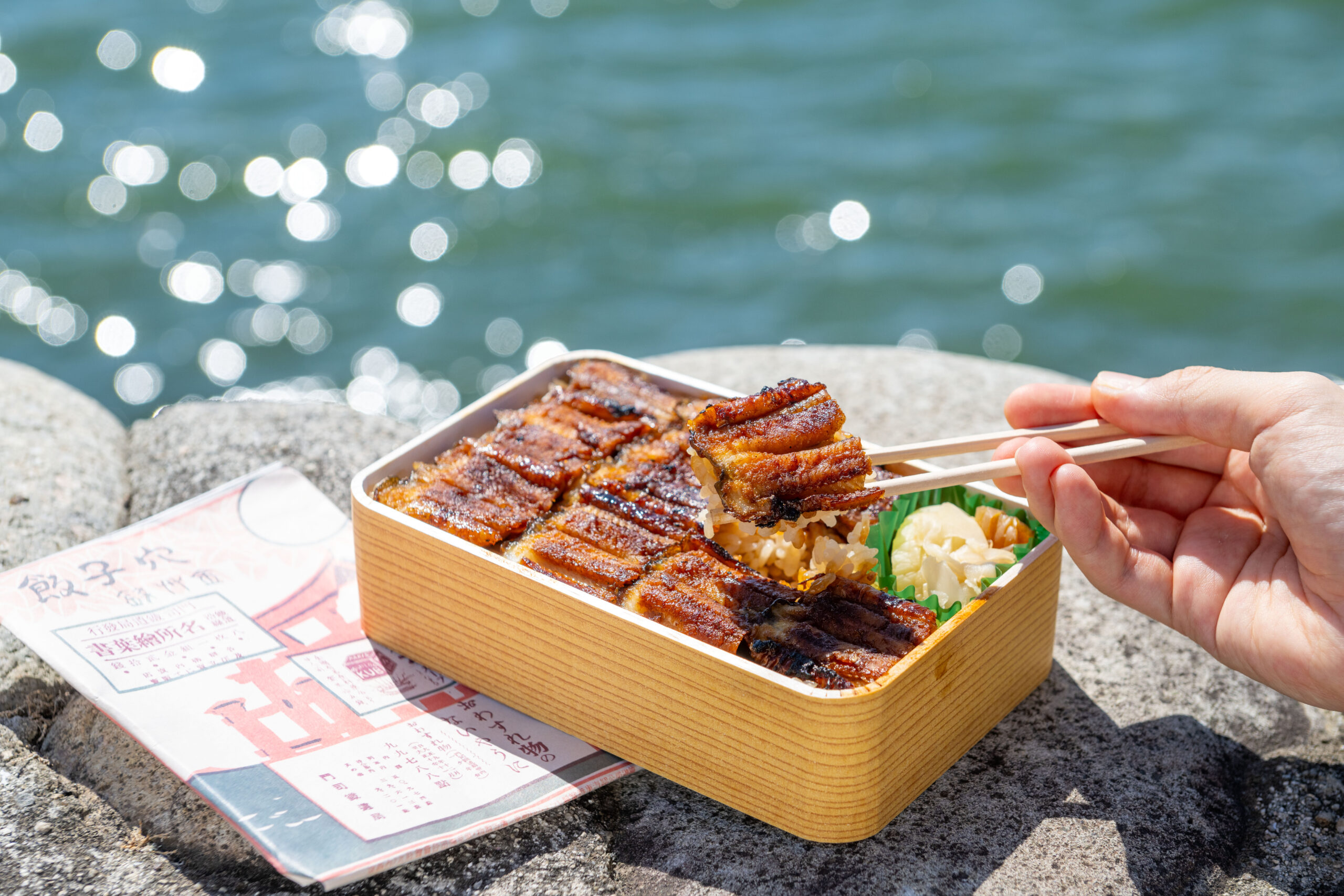
Anagomeshi bento that tastes good even when cold 2,700 yen (Regular)
Loved by travelers, becoming a Miyajima specialty The Anagomeshi culture that began with Ekiben
An indispensable shop when talking about 'Anagomeshi' is the long-established 'Anagomeshi Ueno,' founded in Meiji 34 (1901).
Ueno's founder, Tanikichi Ueno, sold the 'Anagomeshi' ekiben at Miyajima Station (now Miyajimaguchi Station), which had just opened at the time. Its deliciousness gradually spread among travelers passing through Miyajima, and it has now become one of Miyajima's representative gourmet dishes.
Even after more than 120 years, its popularity remains strong. Many people visit from both within and outside the prefecture.
So, what exactly does it taste like?
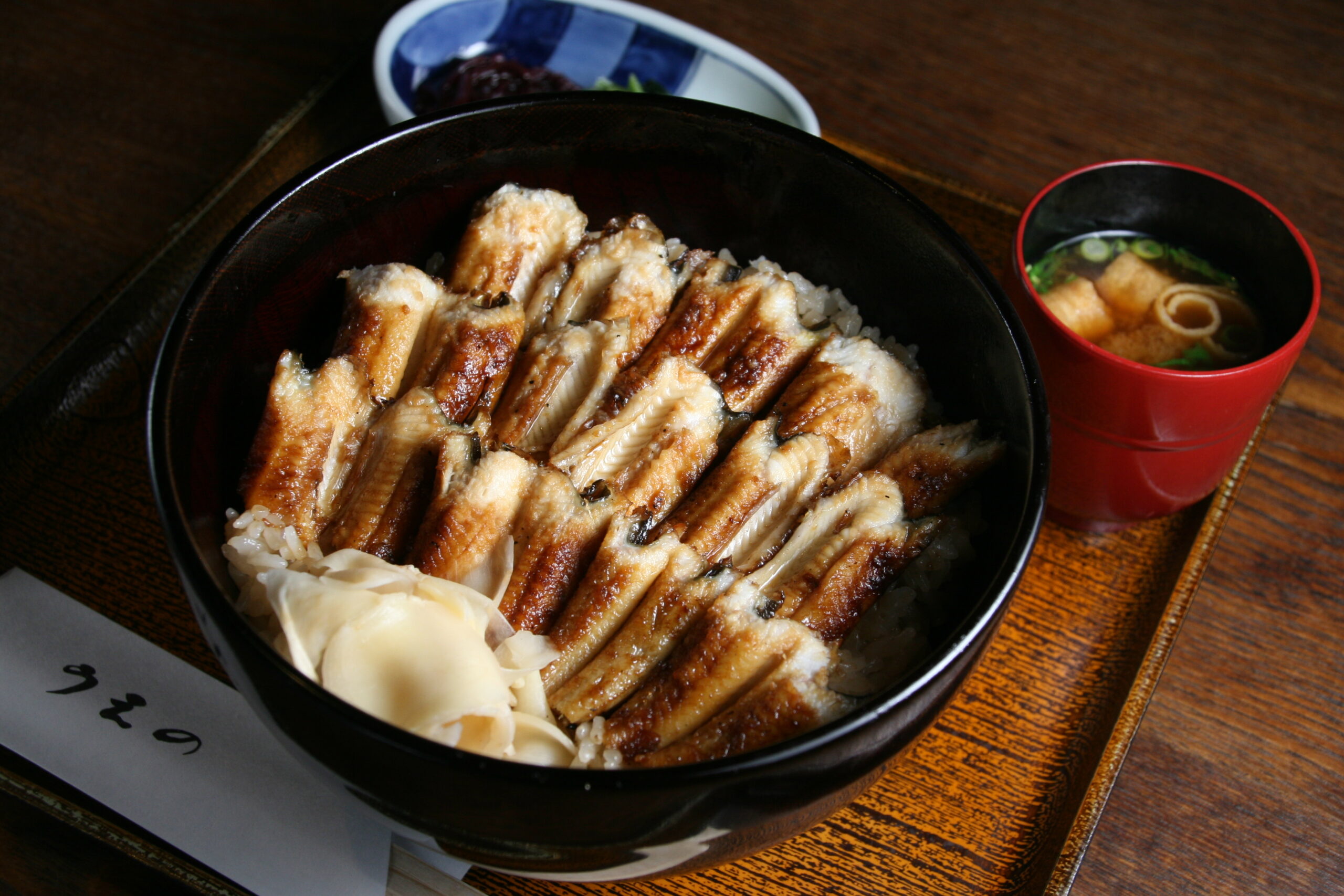
Its appearance is surprisingly simple. Fragrant grilled conger eel (anago kabayaki) is neatly arranged atop rice cooked with conger eel broth. With one bite, the umami of the conger eel and the sauce-infused rice combine, spreading a profound flavor in your mouth, contrary to its simple appearance.
Freshly made Anagomeshi 2,800 yen (Regular)
A popular shop with queues forming at lunchtime
Before heading to Miyajima A dish that brightens the start of your journey
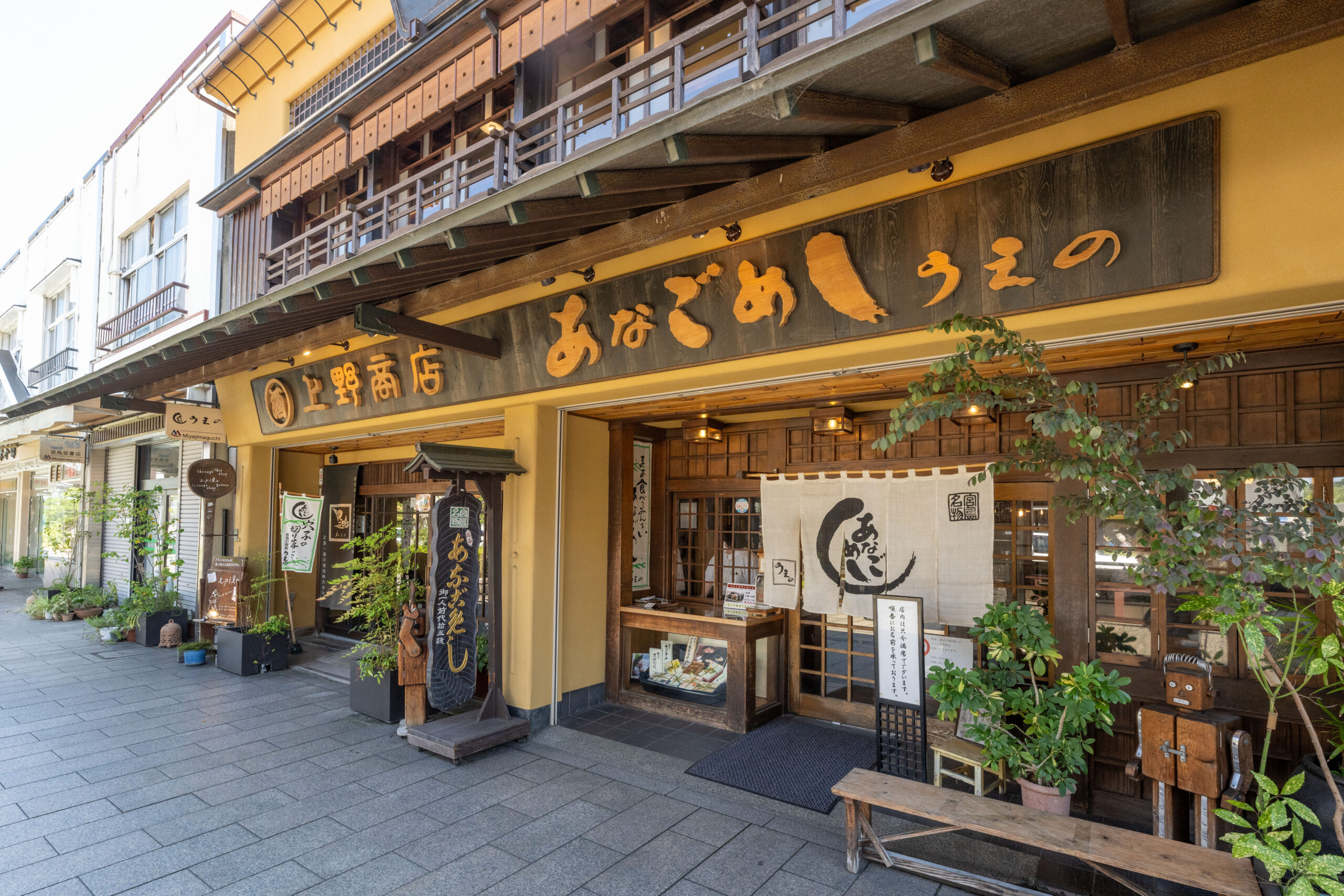
The shop is located right near JR Miyajimaguchi Station. In addition to its charming appearance, the bustling scenery of Miyajimaguchi, filled with people heading to the ferry terminal, is another unique appeal of this shop. You can enjoy it in the relaxed atmosphere of the shop, or buy a bento box to take with you on your journey. While you can savor freshly made dishes inside the shop, the bento allows the umami of the conger eel and the sauce to meld with the rice over time, offering a different kind of deliciousness than the freshly prepared meal.
It's a representative taste of Miyajima that you'll want to savor along with the excitement of your trip.
[DATA] ■Anagomeshi Ueno Address: 1-5-11 Miyajimaguchi, Hatsukaichi City TEL: 0829-56-0006 Opening Hours: 10:00-19:00 (Bento: 9:00 until sold out), Wednesdays: until 18:00 Closed: None
Savoring Pakistani Curry at a Renovated Traditional House Cafe on Machiya Street, Where Time Flows Gently / Gallery Miyagou
A Cafe Renovated from a Former Ladle Wholesaler, Blending into the Townscape
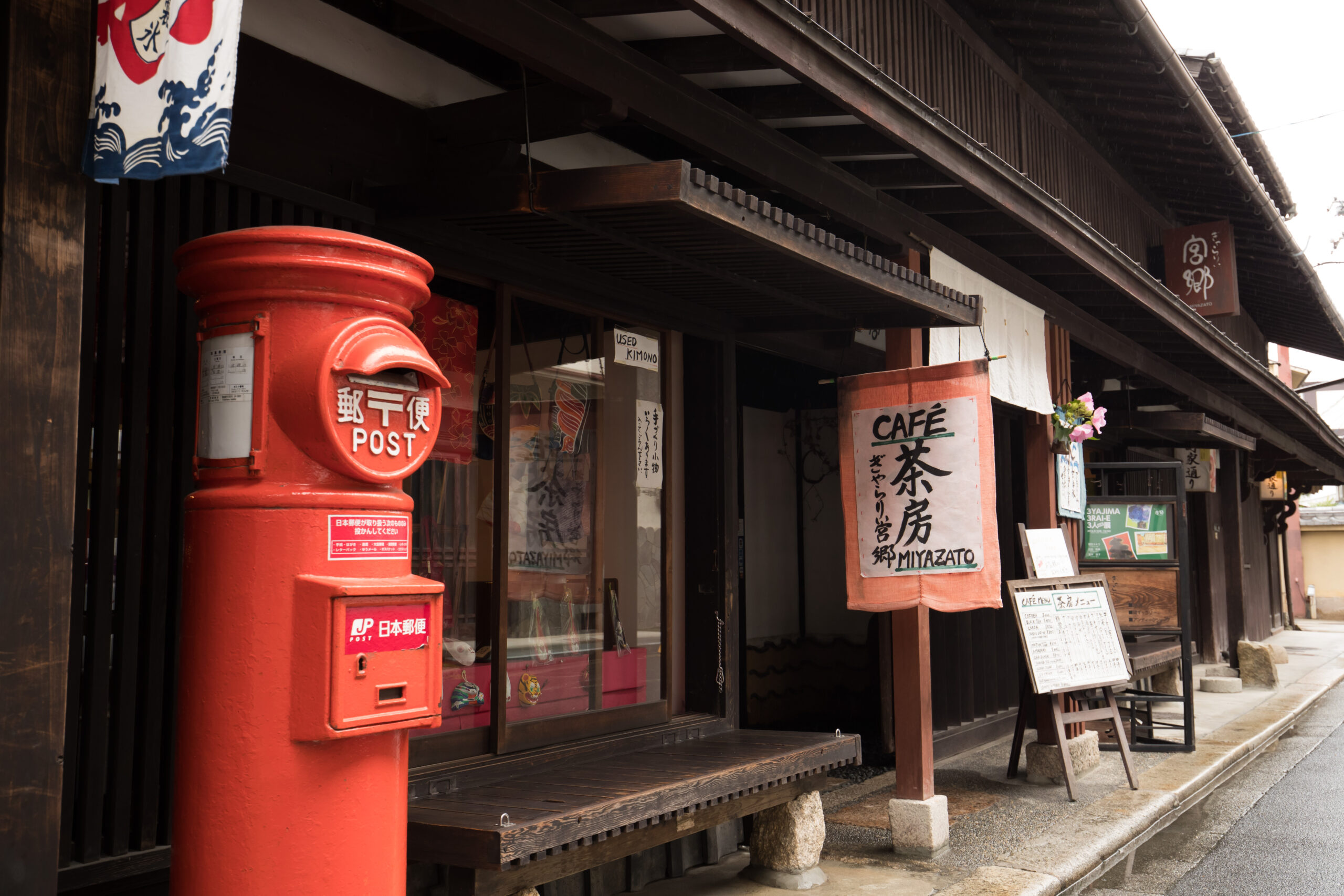
Miyajima boasts many charming cafes, but my personal favorite is 'Gallery Miyagou' on Machiya Street.
It's a gallery cafe that revitalized a 250-year-old merchant's house that used to be a ladle wholesaler, and the building, retaining traces of the Edo period, is absolutely wonderful! It stands blending into the atmospheric townscape, and there's even a retro round post box in front of the shop.
A Healing Moment in a Prime Seat Facing the Courtyard Garden
Upon entering the shop, the staff greet you with kind smiles.
There are various seats, including counter seats and large tables, but we recommend the four-person table seats facing the courtyard garden.
While gazing at the changing scenery each season, you can enjoy hand-drip coffee, homemade chiffon cake, fluffy shaved ice (summer limited), and more.
The gallery space hosts a variety of exhibitions, including paintings, calligraphy, and photography, making it an appealing place to experience art. In this space where time flows gently, both your mind and body are sure to be healed.
Once You Try It, You'll Be Hooked ♡ Spice-Scented Pakistani Curry
For lunch, be sure to try the Pakistani Curry (1000 yen).
You might think, 'Spice curry in Miyajima!?' but its authentic taste has many people getting hooked after just one bite. I'm one of them; I ate it many times when I visited Miyajima for interviews.
It is said to be slowly simmered with chicken, vegetables, and many spices in olive oil. The umami is intensely concentrated, and a spicy aroma and deep richness spread throughout your mouth. The carrot rappe is perfect as a palate cleanser.
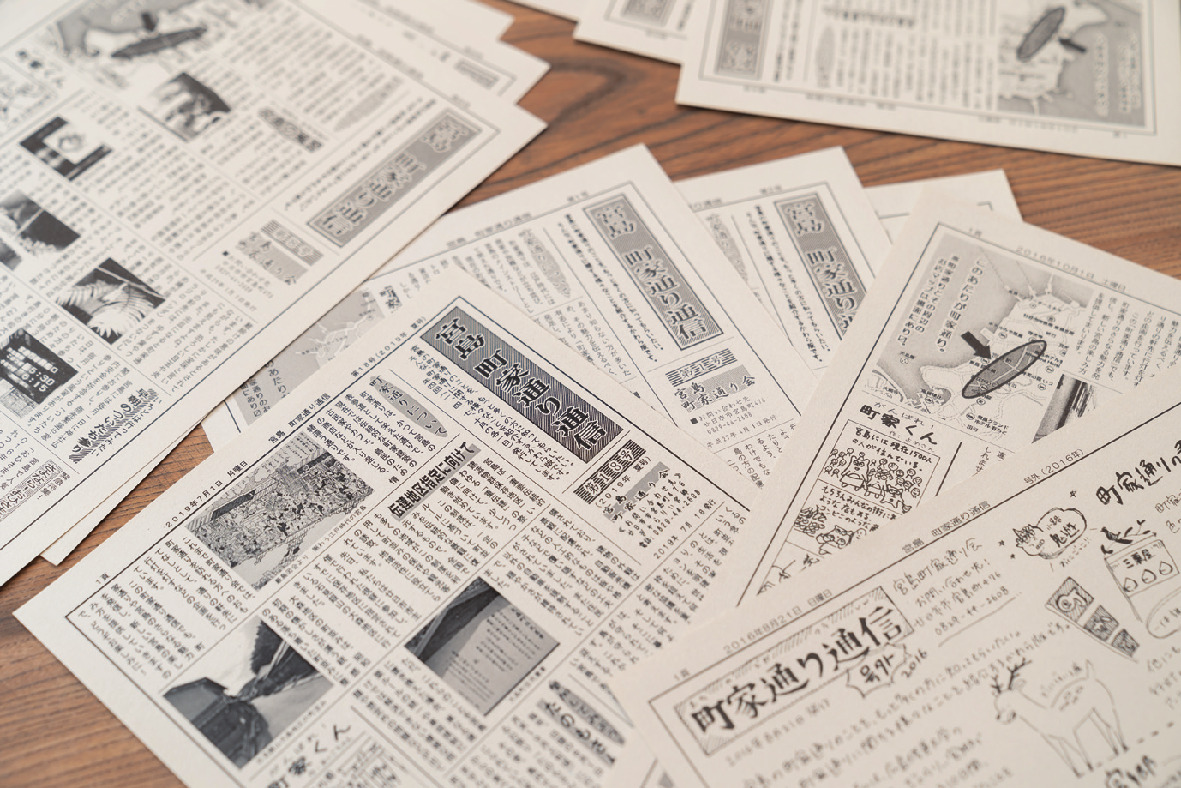
Publishes 'Miyajima Machiya Street Newsletter', Featuring Articles Written from a Local Perspective
Tetsuya Miyagou, the owner of 'Gallery Miyagou', publishes a newspaper with Wataru Kubota of 'Sake & Utensils Kubota' and others.
'Miyajima Machiya Street Newsletter' is a kawaraban (tile-block print newsletter) full of love for Miyajima, introducing its history, culture, and events from a local perspective. It has been published four times a year since 2015 and reached its 43rd issue with the Spring 2026 edition.
Mr. Miyagou says, 'We strive for a unique local perspective and rich content, and we're particular about using nostalgic paper reminiscent of old mimeograph prints.'
It is distributed for free at shops on Machiya Street and tourist information centers at Miyajima Pier and Miyajimaguchi, so please pick up a copy and read it.
To Mt. Misen, Miyajima’s highest peak, where untouched nature, legends, and history thrive
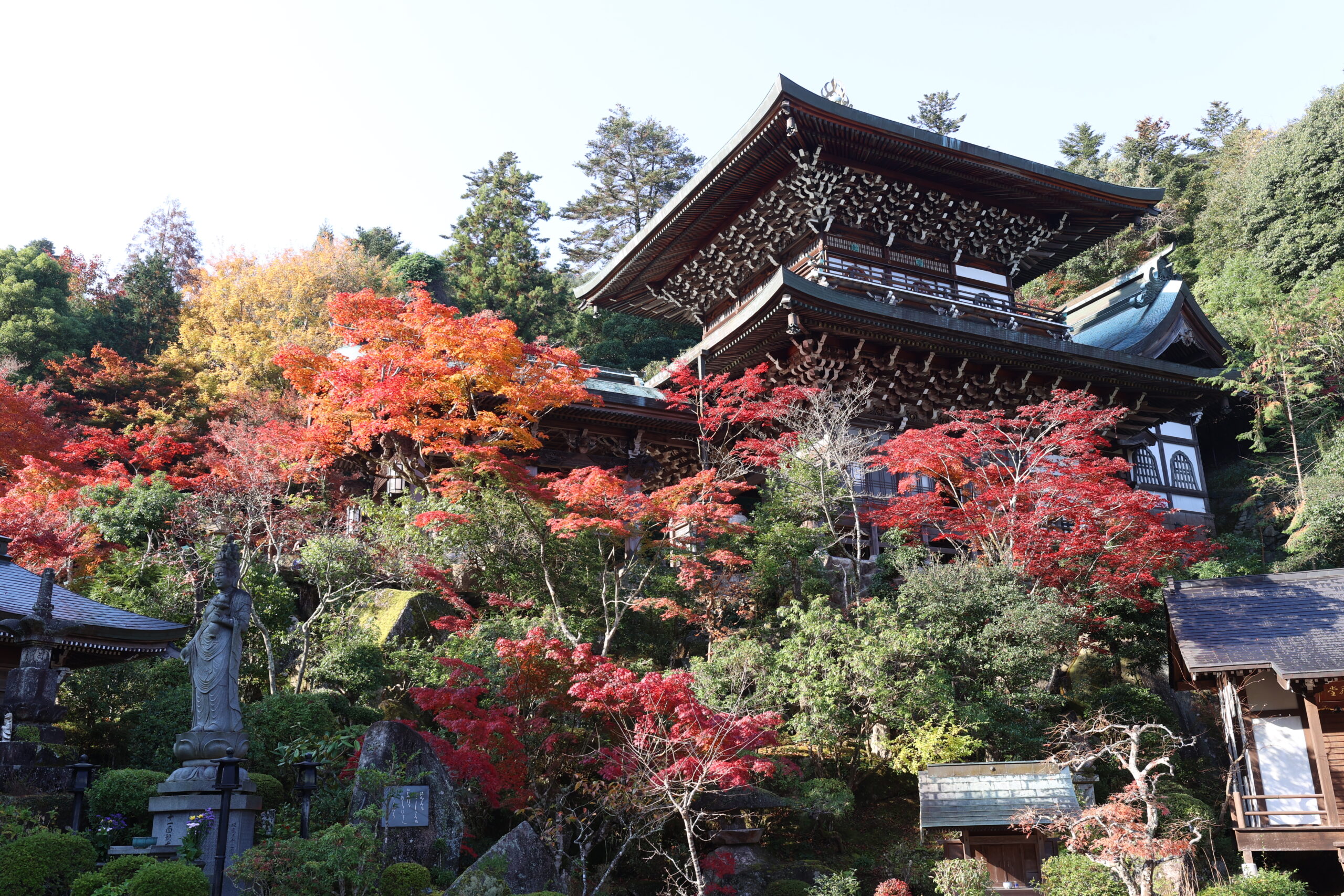
Mt. Misen, opened by Kobo Daishi (Kukai) and revered as a sacred peak for mountain worship. Standing at 535m, it is known as the highest peak on Miyajima. Why not explore this mysterious mountain, enveloped in deep primeval forest, where many legends and historical tales reside, by ropeway and on foot?
Transferring between two types of gondolas while gazing at primeval forests and the beauty of many islands
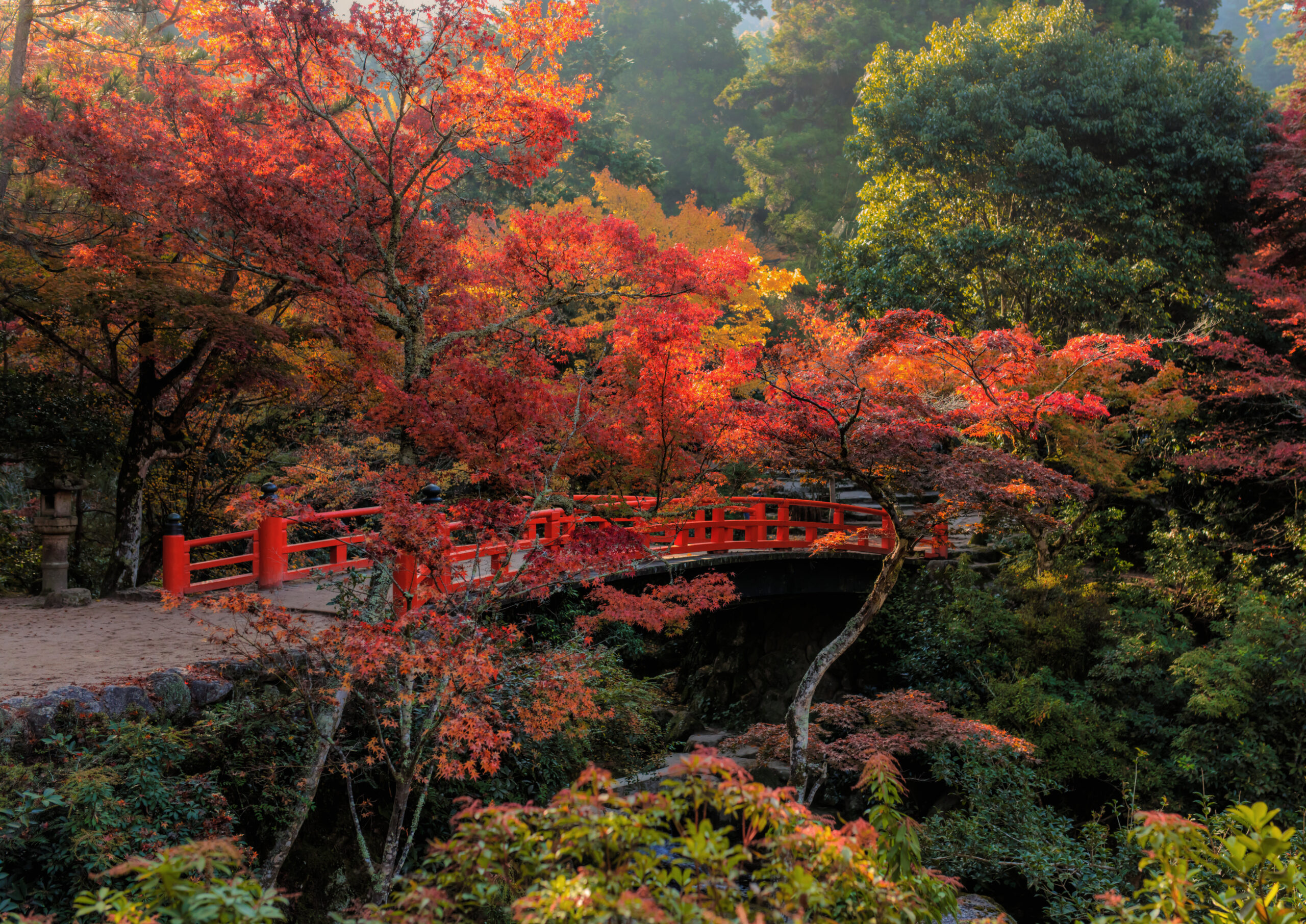
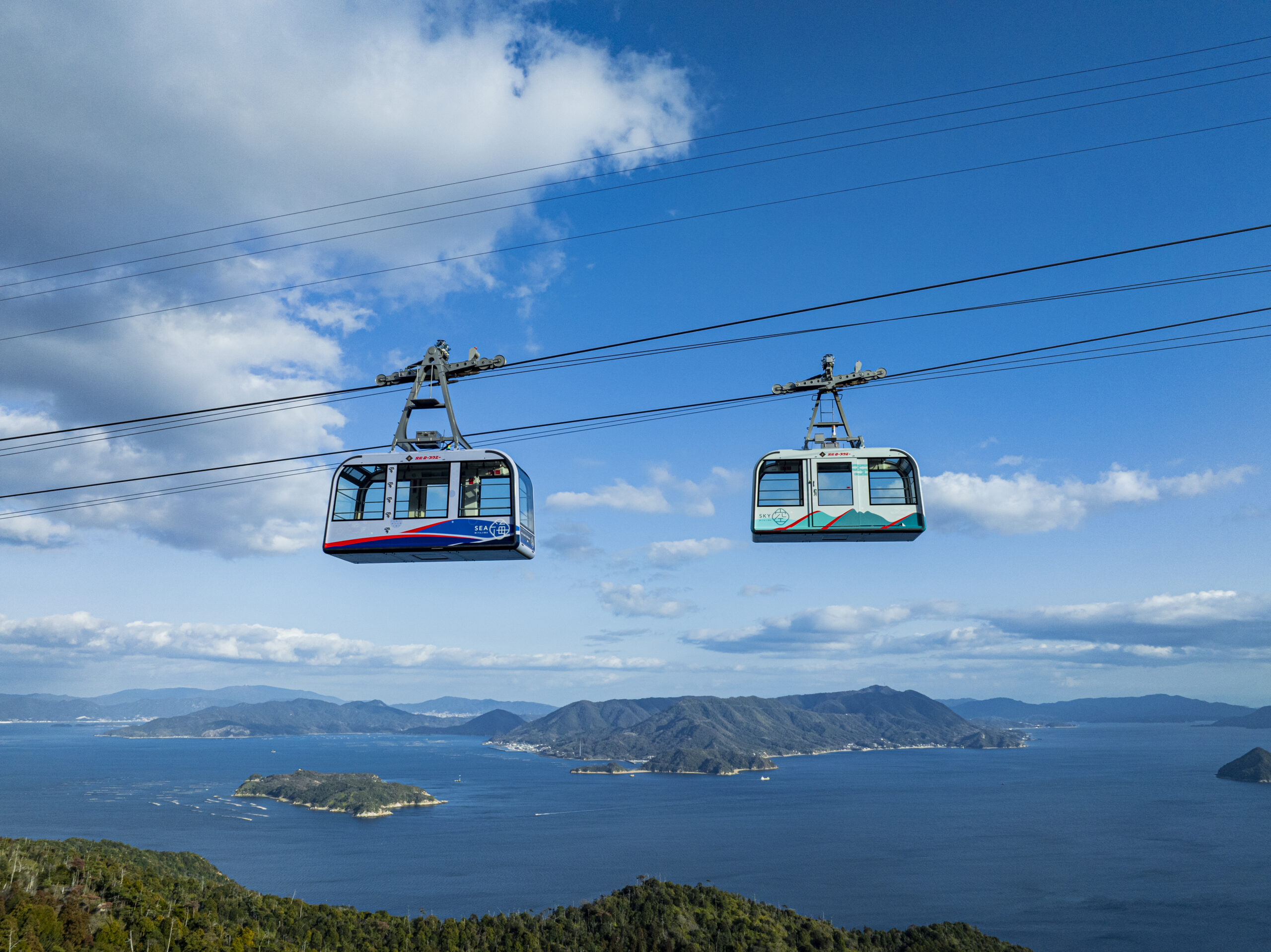
Departure is from Momijidani Park at the foot of the mountain. It's a park with beautiful nature throughout the four seasons, where greenery shines in early summer and autumn leaves spread in autumn. Beyond that is Miyajima Ropeway's Momijidani Station. From here, you'll transfer between two types of gondolas—a circulating type and an alternating type—to reach the final station, Shishiiwa Station.
From Momijidani Station to Kayadani Station, the intermediate point, you can enjoy the untouched primeval forest spreading below. From Kayadani Station to Shishiiwa Station, you can admire the scenic beauty of the Seto Inland Sea's numerous islands. In March 2026, the alternating type of gondola will be renovated for the first time in 18 years. It will feature a Japanese-inspired design and be named "Sora-go" (Sky) and "Umi-go" (Sea).
Shrines, temples, and historical sites dot the hiking trail leading to the summit
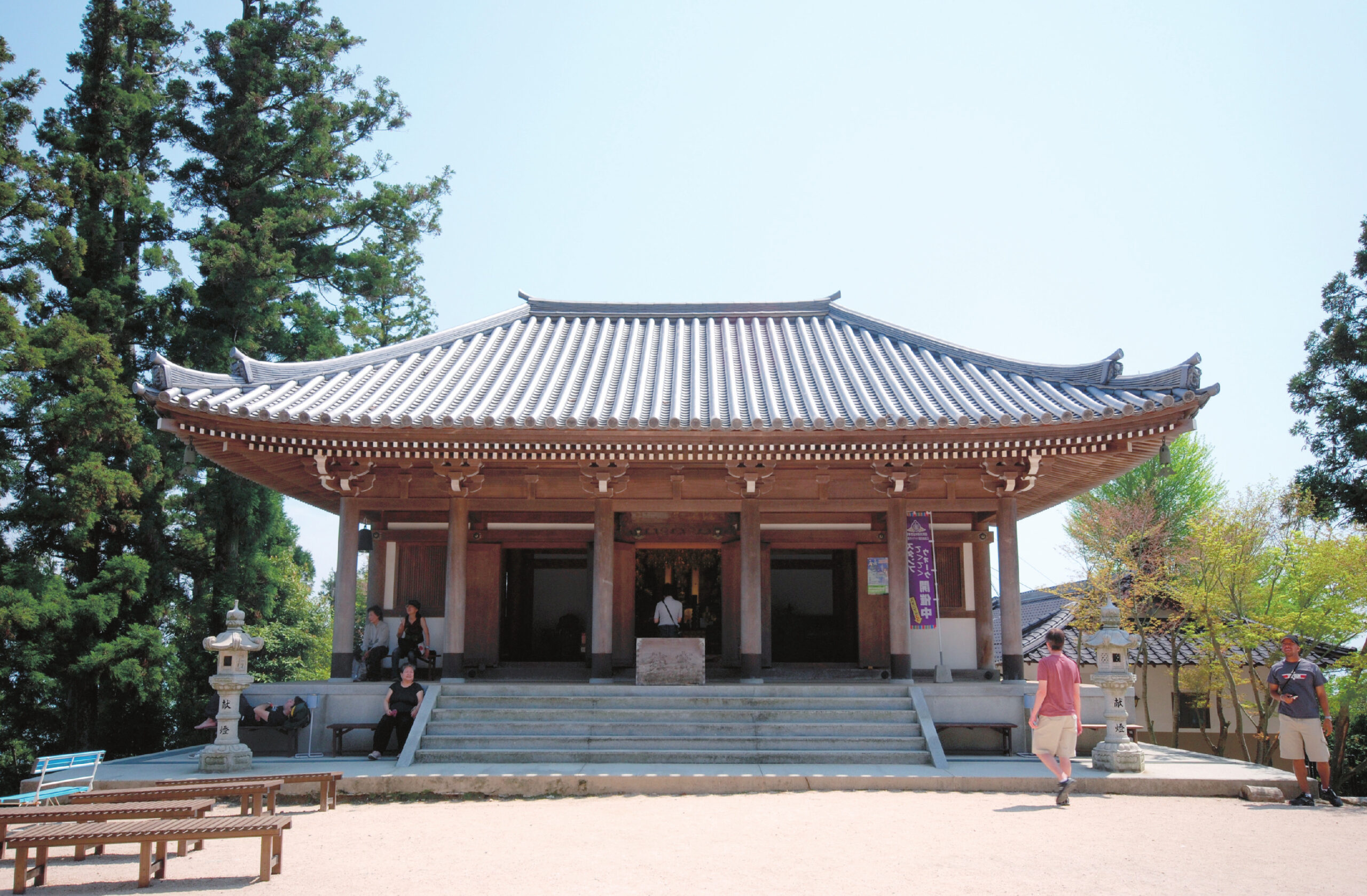
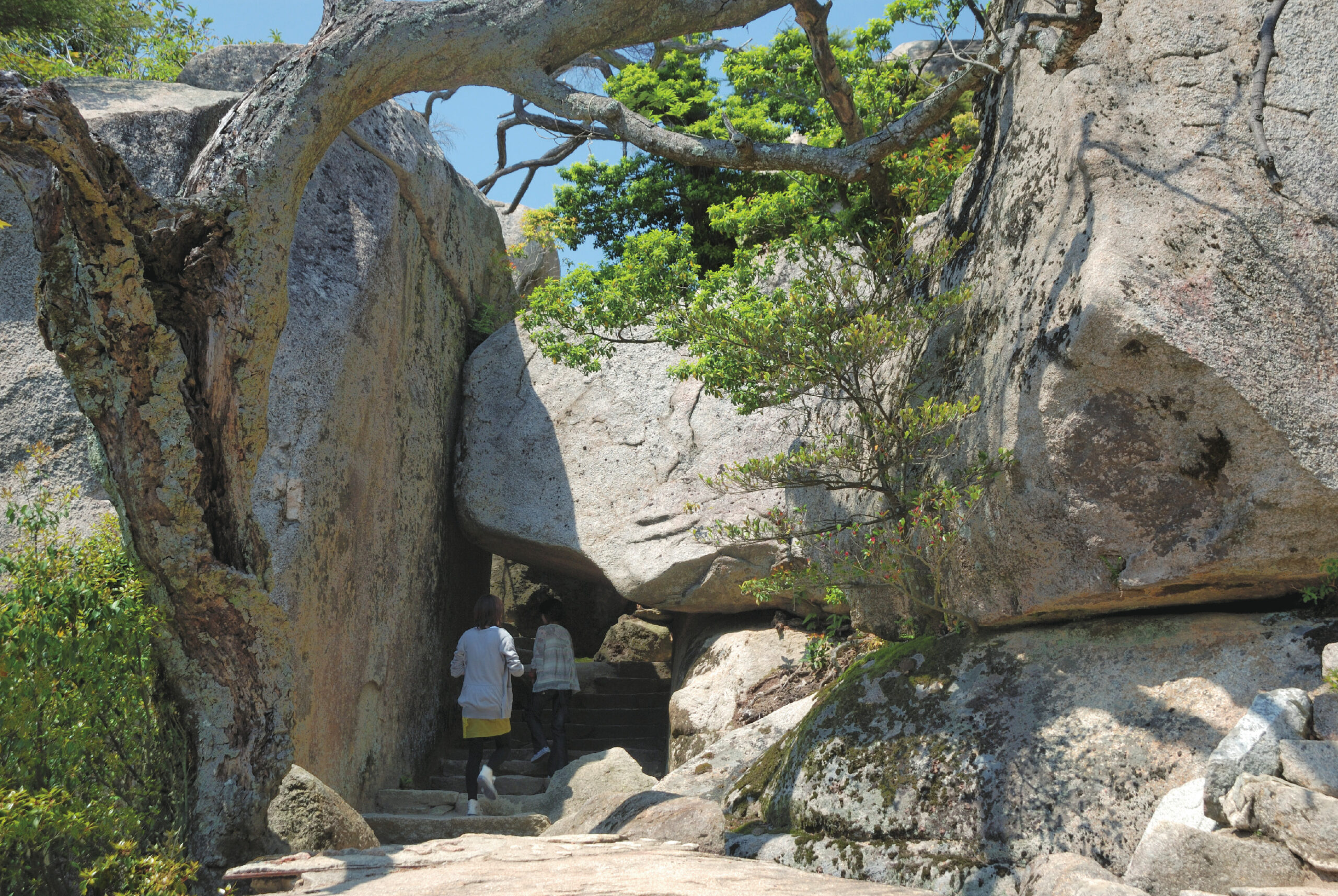
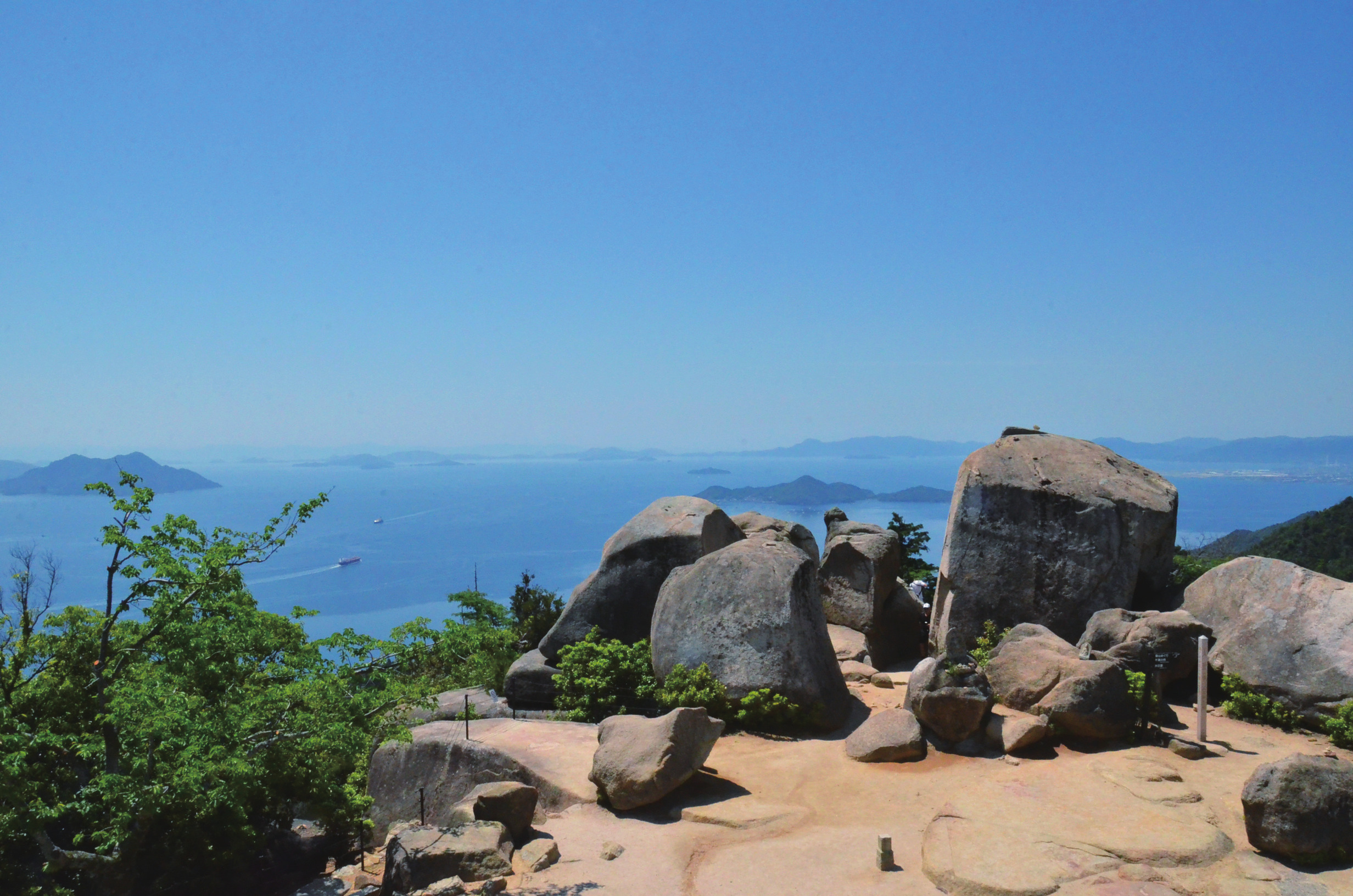
From Shishiiwa Station to Mt. Misen's summit is about a 30-minute walk. Along the hiking trail, shrines, temples, historical sites, giant rocks, and strange rock formations are dotted. These include Misen Main Hall, known as the place where Kobo Daishi (Kukai) practiced asceticism for 100 days; Sankido Hall, a rare temple nationwide that enshrines an oni (demon) god; Kuguri-iwa (Passing Rock), supported by only a tiny point of contact; and Kanman-iwa (Tide Rock), where the water level inside the hole changes with the tides. If you stop by interesting spots as you ascend, the summit is just a little further!
Be moved by the magnificent 360-degree panoramic view of nature unfolding before your eyes
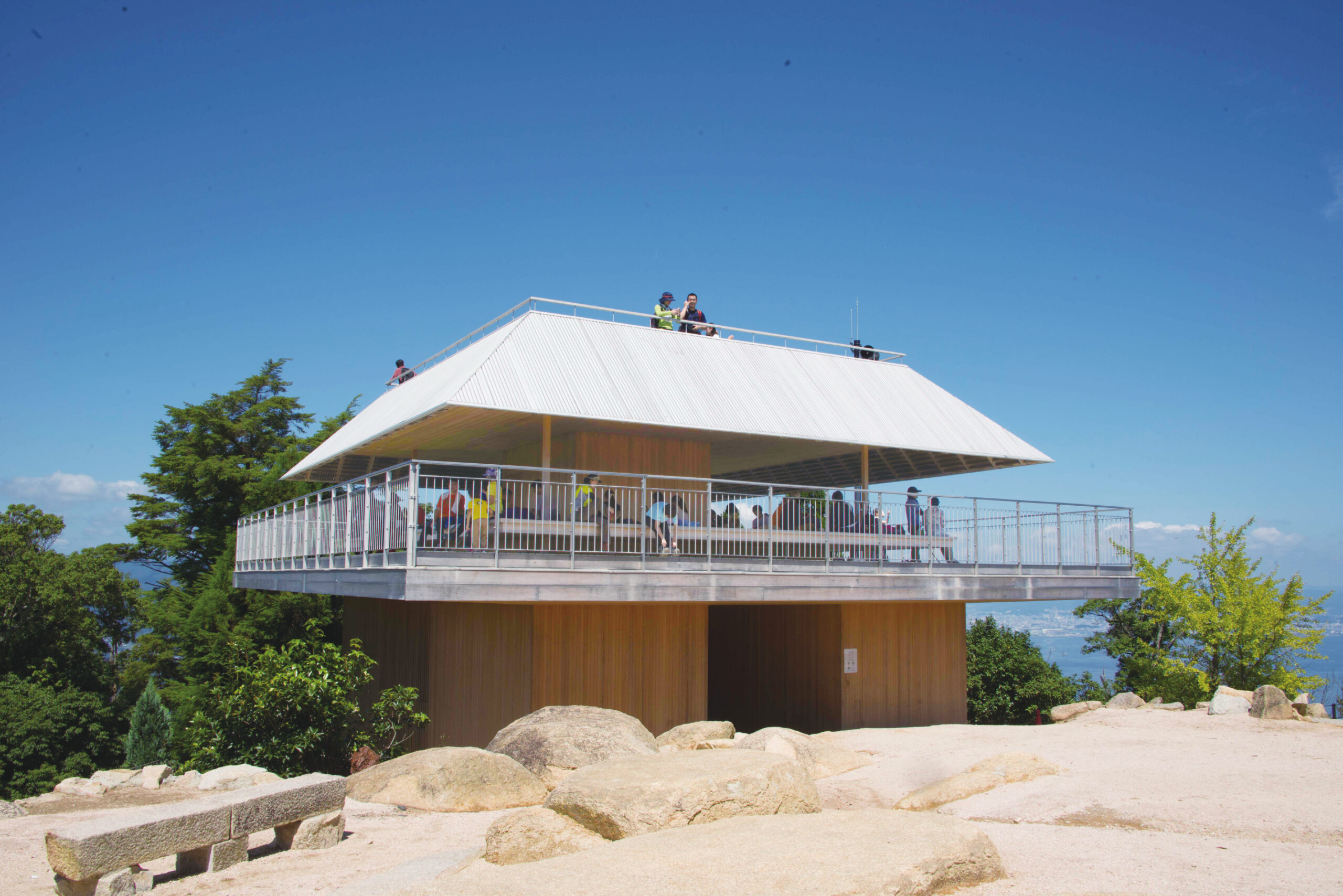
At the summit, there's a three-story observatory offering a 360-degree panoramic view. The scenery woven by the Seto Inland Sea and its islands is breathtakingly beautiful. Even Hirobumi Ito, Japan's first Prime Minister, visited Mt. Misen and admired the view from the summit, exclaiming, "The true value of one of Japan's Three Great Views lies in the vista from the peak." The second floor of the observatory is a resting space where you can take off your shoes and relax, or eat your bento lunch. Enjoy the spectacular view while feeling the pleasant breeze.
【DATA】 Miyajima Ropeway TEL/0829-44-0316 Operating Hours/9:00 - 16:00 (Last downward trip is 16:30) Fares/Adult (Junior high school age and above) Round trip 2000 yen・One way 1100 yen, Child (Elementary school age) Round trip 1000 yen・One way 550 yen